


What are the symptoms of chronic cholecystitis?

Chronic cholecystitis is a persistent, recurrent inflammatory process of the gallbladder, typically caused by long-standing gallstones. Common symptoms include right upper quadrant abdominal pain, indigestion, jaundice, fever, and weight loss. Prompt medical consultation is recommended, with treatment conducted under a physician’s guidance. A detailed analysis follows:
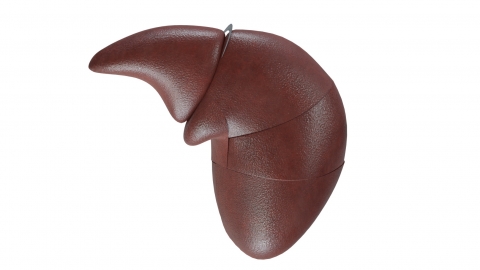
1. Right Upper Quadrant Abdominal Pain
This is a classic symptom of chronic cholecystitis. Pain is typically localized to the right upper quadrant of the abdomen and may manifest as persistent dull ache or discomfort. It may radiate to other areas, such as the back, shoulder, or right thigh.
2. Indigestion
Patients with chronic cholecystitis frequently experience indigestive symptoms including nausea, vomiting, aversion to fatty foods, and loss of appetite. During symptom-free intervals, patients may still report right upper quadrant fullness or discomfort, heartburn, belching, and acid reflux.
3. Jaundice
Some patients with chronic cholecystitis may develop jaundice—characterized by yellowing of the skin and sclera—resulting from impaired bile excretion and subsequent elevation of serum bilirubin levels.
4. Fever
Chronic cholecystitis may trigger systemic inflammatory responses, leading to elevated body temperature and fever. However, fever is not a common feature of chronic cholecystitis; it occurs more frequently during acute exacerbations.
5. Weight Loss
Weight loss may occur due to anorexia and indigestion. Prolonged inflammation also increases metabolic demand, contributing further to weight reduction.
For patients diagnosed with chronic cholecystitis, medications such as Xiaoyan Lidan tablets, clindamycin hydrochloride tablets, and ursodeoxycholic acid tablets may be prescribed per physician instructions. Additionally, adherence to a light, low-fat diet facilitates recovery.


