What are the effects and side effects of amiodarone?
Dec 29, 2020
Source: Cainiu Health

Dr. Tian Hongbo
Introduction
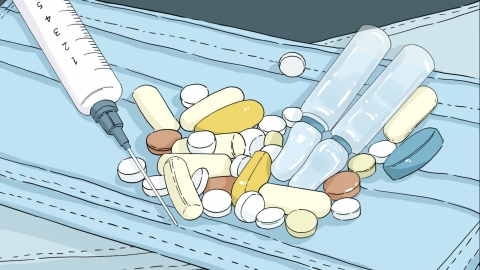
Amiodarone is commonly available in tablet and injectable formulations. It may be used to treat atrial fibrillation or atrial flutter, ventricular tachycardia, ventricular bradycardia, coronary and peripheral vasodilation, and topical treatment of dermatophytosis. Common adverse effects may include cardiovascular reactions, thyroid dysfunction, skin hyperpigmentation, gastrointestinal disturbances, and neurologic impairment.
Ambiodarone is commonly available in tablet and injectable formulations. It may be used for treating atrial fibrillation or atrial flutter, treating ventricular tachycardia, treating ventricular bradycardia, dilating coronary and peripheral arteries, and topical treatment of dermatophytosis. Common adverse effects may include cardiovascular system reactions, thyroid dysfunction, skin hyperpigmentation, gastrointestinal reactions, and neurological impairment. Patients are advised to use this medication strictly as prescribed by their physician. The following provides a detailed analysis:
I. Therapeutic Effects of Amiodarone
1. Treatment of Atrial Fibrillation or Atrial Flutter: Amiodarone controls atrial fibrillation or atrial flutter by slowing heart rate and suppressing intra-atrial conduction, thereby facilitating restoration of normal sinus rhythm.
2. Treatment of Ventricular Tachycardia: Amiodarone suppresses the occurrence of ventricular tachycardia and is also effective against other ventricular arrhythmias, thus helping maintain cardiac stability.
3. Treatment of Ventricular Bradycardia: Amiodarone enhances atrioventricular (AV) nodal conduction and improves cardiac pacemaker function, thereby treating ventricular bradycardia and ensuring normal cardiac rhythm.
4. Coronary and Peripheral Artery Vasodilation: Amiodarone exerts direct vasodilatory effects on coronary and peripheral arteries, improving myocardial perfusion and alleviating symptoms such as angina pectoris.
5. Topical Treatment of Dermatophytosis: In addition to oral and intravenous administration, amiodarone can also be applied topically for dermatophytosis—including tinea pedis, tinea manuum, and tinea corporis—exerting antimicrobial and anti-inflammatory effects.
II. Adverse Effects of Amiodarone
1. Cardiovascular System Reactions: Amiodarone may cause bradycardia and cardiac conduction disturbances. Severe cases may present with sinus arrest, sinoatrial block, various degrees of conduction block, and even heart failure or cardiogenic shock.
2. Thyroid Dysfunction: The iodine content in amiodarone may disrupt thyroid hormone synthesis, potentially leading to hyperthyroidism. Prolonged amiodarone therapy may also induce hypothyroidism.
3. Skin Hyperpigmentation: Amiodarone may stimulate melanocytes, resulting in skin hyperpigmentation. While generally not harmful to health, this effect may impact cosmetic appearance.
4. Gastrointestinal Reactions: Amiodarone may irritate gastrointestinal smooth muscle, reducing peristaltic activity and causing constipation. A minority of patients may experience nausea or vomiting.
5. Neurological Impairment: Amiodarone may adversely affect the nervous system, producing extrapyramidal symptoms such as gait instability and rigidity. Visual disturbances—including blurred vision—may also occur.
When administering amiodarone, dosage must be carefully controlled and patients’ responses closely monitored. Should any adverse reaction occur, immediate medical attention is required, and the prescribing physician should be promptly informed to adjust the treatment plan accordingly.