


What is the best treatment for bursitis in the arm?
Sep 27, 2023
Source: Cainiu Health
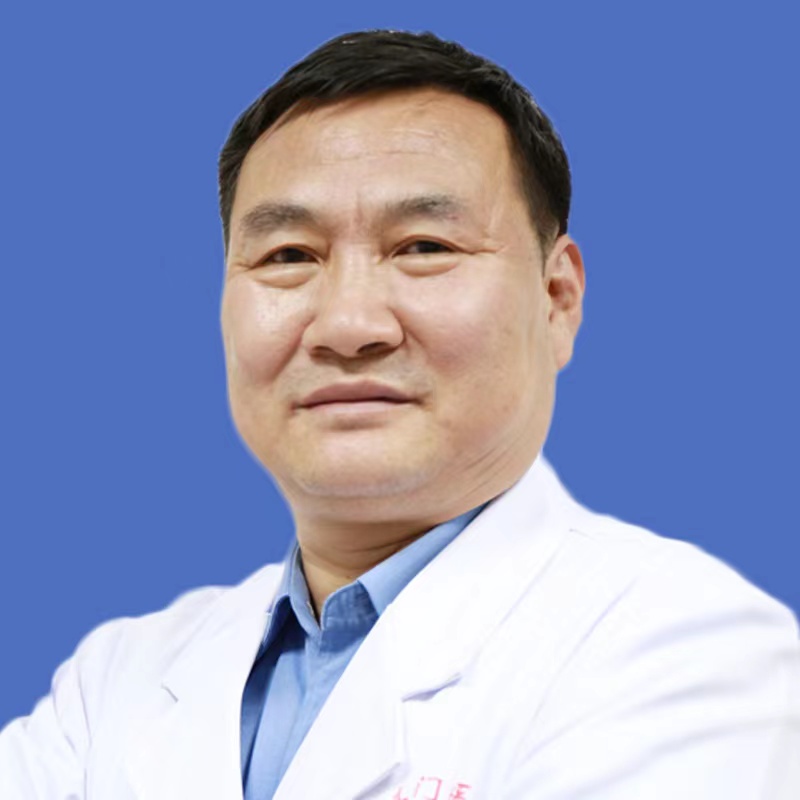
Dr. Wang Jianjun
Introduction
Olecranon bursitis is an aseptic inflammation caused by repeated friction, which leads to local swelling and pain. Patients can apply warm compresses to promote blood circulation and help reduce inflammation. Adequate rest is important, and patients should avoid strenuous physical labor and intense exercise, as these may exacerbate the condition and affect normal daily activities.
There is no universally recognized optimal treatment for bursitis of the arm. Treatment options mainly include general management, physical therapy, medication, aspiration (fluid drainage), and surgical intervention, all of which should be conducted under a doctor's guidance. Specific approaches are analyzed as follows:
1. General Management
Bursitis of the arm is an aseptic inflammation caused by repeated friction, leading to local swelling and pain. Patients can apply heat therapy to promote blood circulation and help reduce inflammation. Adequate rest is essential; patients should avoid strenuous physical labor and vigorous exercise, as these may worsen the condition and interfere with daily activities.
2. Physical Therapy
When localized swelling and restricted movement occur, treatments such as massage, acupuncture, and moxibustion may be considered. These therapies can help relax muscles, improve circulation, and remove blood stasis.
3. Medication
If significant pain is present, patients may use analgesic medications under medical supervision, such as ibuprofen sustained-release capsules or diclofenac sodium sustained-release tablets. Additionally, antibiotics like amoxicillin capsules or cefixime granules may be prescribed by a physician when necessary.
4. Aspiration (Fluid Drainage)
If obvious fluid accumulation develops locally, the fluid can be drained via needle aspiration, which helps alleviate symptoms and improve the condition.
5. Surgical Treatment
In severe cases where conservative treatments fail to provide improvement, surgical interventions such as arthroscopic surgery or open surgery may be performed to clean out the affected area.
Patients are advised to prioritize rest in daily life, avoid heavy physical work, and refrain from intense physical activity to prevent disease progression. Prompt medical consultation is recommended upon onset of symptoms, and following standardized treatment under professional guidance will support recovery.






