


What to do about coughing 7 months after COVID-19
Sep 27, 2023
Source: Cainiu Health
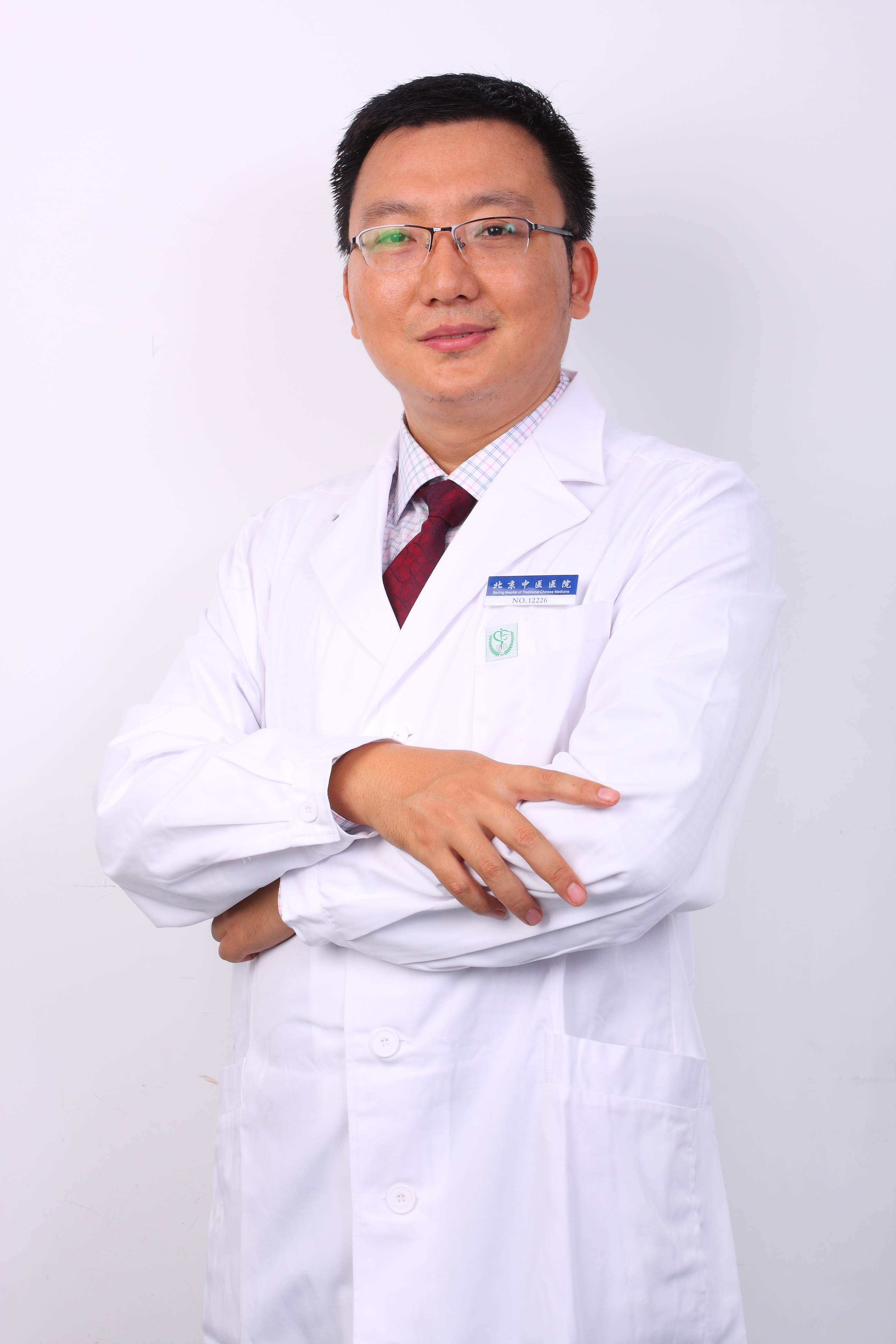
Dr. Yuan Qing
Introduction
In general, "COVID" refers to infection with the novel coronavirus. Coughing seven months after a novel coronavirus infection can be managed through measures such as improving the environment, adjusting lifestyle habits, dietary management, medication, and nebulizer therapy. Patients are advised to follow medical instructions for symptomatic treatment. Additionally, if the cough is severe, patients should go to the hospital for a CT scan to facilitate targeted treatment.
In general, "new coronavirus" refers to novel coronavirus infection. Coughing seven months after a novel coronavirus infection can be managed through environmental improvements, lifestyle adjustments, dietary management, medication, and nebulization therapy. Patients are advised to follow medical guidance for symptomatic treatment. Specific measures are analyzed as follows:
1. Environmental Improvement
The indoor temperature and humidity should be adjusted promptly. Windows should be opened regularly to ensure fresh indoor air, which helps alleviate coughing symptoms.
2. Lifestyle Improvement
Patients should maintain warmth, ensure adequate sleep, avoid excessive fatigue and staying up late, and engage in mild physical exercise appropriately.
3. Dietary Management
After contracting the novel coronavirus, patients experiencing coughing should drink plenty of water to moisten the throat and relieve symptoms. They should also consume light foods such as fruits and vegetables including apples, oranges, and loquats, as well as eggs, milk, and lean meat. Spicy and irritating foods should be avoided.
4. Medication
If coughing persists without improvement, patients may take medications such as dextromethorphan hydrobromide tablets, acetylcysteine tablets, or carbocisteine tablets under medical supervision.
5. Nebulization Therapy
If the above methods prove ineffective, patients should seek hospital care for nebulization treatment. Commonly used medications include compound salbutamol sulfate aerosol and terbutaline sulfate solution for nebulization.
In addition, if coughing is severe, patients should go to the hospital for a CT scan to enable targeted treatment and prevent delays in managing the condition.




