


The three fruits you should avoid most with low potassium

Generally, there is no such thing as "three fruits that people with potassium deficiency should avoid." Individuals with low potassium can consume bananas, oranges, mandarins, red dates (jujubes), apples, longan, and others. Details are as follows:
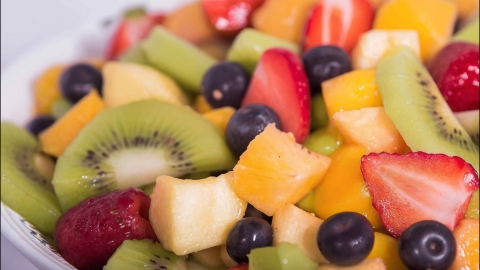
1. Banana
Bananas are common tropical fruits. Every 100g contains 380–420mg of potassium, along with rich amounts of trace elements such as manganese and zinc, as well as dietary fiber and vitamins. They are easily absorbed by the digestive system, helping to strengthen physical health after consumption. However, it's best not to eat too many at once.
2. Orange
A typical 100g of orange contains about 159mg of potassium. It also provides vitamin C, phosphorus, β-carotene, hesperidin, and other beneficial compounds, which help replenish depleted potassium levels in the body.
3. Mandarin Orange
About 159mg of potassium can be found in every 100g of mandarin oranges. They also contain vitamin C, phosphorus, β-carotene, and other nutrients. Moderate consumption helps maintain acid-base balance and boosts immunity.
4. Red Date (Jujube)
Fresh red dates contain approximately 375mg of potassium per 100g, along with calories and various vitamins and nutrients. Eating them in moderation not only supplements potassium but also helps nourish qi and blood. However, excessive intake should be avoided to prevent discomfort such as bloating or diarrhea.
5. Longan
Longan is another potassium-rich food, containing about 327mg of potassium per 100g. Consuming it in appropriate amounts can assist in potassium supplementation. Additionally, longan is rich in glucose, vitamins, and other nutrients. Moderate consumption may enhance immune function and improve overall physical condition.
Adequate potassium intake is essential for normal body functions, especially for muscle and nerve system activities. However, it's also important to maintain a diverse and balanced diet to meet all nutritional needs.


