Are brown spots on the body a sign of cancer?
Oct 17, 2023
Source: Cainiu Health

Dr. You Zhangxuan
Introduction
In general, brown spots on the body may be a precursor to cancer, or they may result from melasma, solar dermatitis, pityriasis versicolor, allergic purpura, and other conditions. Patients are advised to seek timely medical attention and receive appropriate treatment. When discomfort occurs, patients should consult a doctor promptly and undergo standardized treatment under medical guidance. Additionally, getting adequate rest in daily life can help promote recovery.
Brown spots on the body may generally be a sign of precancerous conditions, or they could result from melasma, solar dermatitis, pityriasis versicolor, allergic purpura, and other causes. It is recommended that patients seek timely medical attention and receive appropriate treatment. Specific analyses are as follows:
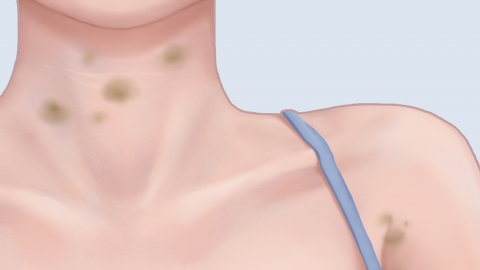
1. Precancerous Signs
When melanocytes in the human body undergo malignant changes, dark brown, brown, or deep brown spots may appear on the skin surface. Therefore, the appearance of numerous brown spots may indicate an early sign of cancer. In such cases, prompt medical evaluation is necessary, followed by comprehensive treatments such as surgery, chemotherapy, or radiotherapy.
2. Melasma
Melasma refers to brownish pigmentation on the face, commonly occurring on areas such as the cheekbones, forehead, and upper lip. These pigmented patches have well-defined borders and are symmetrically distributed. Patients can apply medications such as azelaic acid cream, tretinoin cream, or hydroquinone cream as directed by a physician.
3. Solar Dermatitis
Solar dermatitis is an acute phototoxic reaction caused by intense sun exposure. Symptoms may include itching, swelling, and blistering. After inflammation, hyperpigmentation may leave behind brown spots. In such cases, patients may follow medical advice to use cold compresses or topical treatments such as calamine lotion, compound menthol ointment, or danpi phenol ointment.
4. Pityriasis Versicolor
Pityriasis versicolor is a fungal skin infection characterized by small macular lesions that may appear brown, light brown, pinkish, or white. Patients should use antifungal medications such as naftifine-ketoconazole cream or miconazole nitrate cream under medical guidance.
5. Allergic Purpura
This condition is often associated with infections, allergies, medications, and other factors. When the inner lining of blood vessels in the skin is damaged or ruptured, it may lead to the appearance of dark purple or deep brown patches on the body. Patients may take medications such as levocetirizine hydrochloride tablets or loratadine capsules under a doctor’s supervision.
It is advised that patients seek medical care promptly when experiencing any abnormalities and receive standardized treatment under professional guidance. Adequate rest and proper self-care in daily life can also aid in recovery.