


What are the effects and functions of Sparganium?
Oct 27, 2023
Source: Cainiu Health

Dr. Zhang Ziyi
Introduction
Sparganium stoloniferum is the tuber of the plant Sparganium stoloniferum, belonging to the Sparganiaceae family. The tubers are harvested from winter to the following spring, then stems, leaves, and fibrous roots are removed. After washing, the outer skin is peeled off and the tubers are sun-dried. It is a commonly used traditional Chinese medicine, known for its effects including clearing heat and detoxifying, promoting diuresis and removing dampness, reducing swelling and dissipating nodules, stopping bleeding, dispelling wind and unblocking meridians, as well as antibacterial and antiviral properties. As a traditional Chinese medicinal herb, Sparganium should be used according to a physician's advice and prescribed dosage.
Sparganium is the tuber of the plant Sparganium stoloniferum from the Sparganiaceae family. It is harvested from winter to the following spring by digging up the tubers, removing stems, leaves, and roots, washing them thoroughly, peeling off the outer skin, and then drying them in the sun. It is also a commonly used traditional Chinese medicine, known for its various therapeutic effects including clearing heat and detoxifying, promoting diuresis and eliminating dampness, reducing swelling and dispersing nodules, stopping bleeding, expelling wind and unblocking meridians, as well as antibacterial and antiviral activities. Specific functions are analyzed as follows:
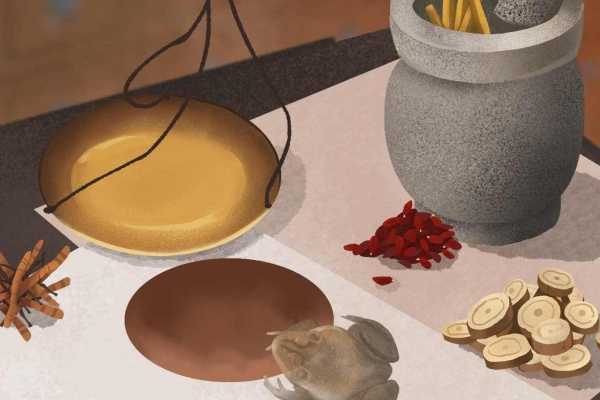
1. Clearing Heat and Detoxifying: Sparganium is used in traditional Chinese medicine to clear heat and remove toxins, helping eliminate internal heat toxicity. It is commonly used to treat infectious diseases such as pharyngitis and tonsillitis, exhibiting antibacterial and anti-inflammatory properties.
2. Promoting Diuresis and Eliminating Dampness: Sparganium is regarded as a diuretic that helps promote urination, thereby reducing edema and alleviating internal dampness caused by kidney problems.
3. Reducing Swelling and Dissipating Nodules: Sparganium is frequently used to treat swellings, sores, abscesses, and carbuncles. It helps relieve symptoms associated with lumps and promotes wound healing.
4. Stopping Bleeding: Sparganium is also used as a hemostatic agent. It can help control bleeding, including epistaxis (nosebleeds), hemoptysis (coughing up blood), and menstrual hyperflow. Its hemostatic effect contributes to faster wound recovery.
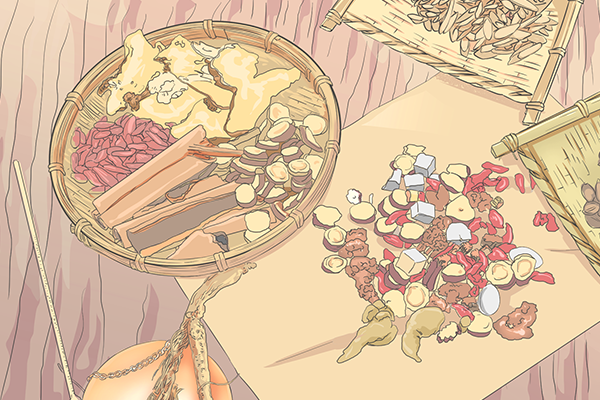
5. Expelling Wind and Unblocking Meridians: In traditional Chinese medicine, Sparganium is believed to expel wind and unblock collaterals. It is used to manage rheumatic conditions and joint pain, helping alleviate pain and improve joint mobility.
6. Antibacterial and Antiviral Effects: Research indicates that certain components in Sparganium possess antibacterial and antiviral properties. This suggests potential effectiveness in treating infections caused by bacteria or viruses.
It should be emphasized that, as a traditional Chinese medicine, Sparganium must be used according to medical advice and proper dosage to ensure safety and efficacy.




