


Can potassium iodide be taken orally?
Mar 28, 2024
Source: Cainiu Health

Dr. Yang Chuanjia
Introduction
Potassium iodide can be taken orally. The common formulation of potassium iodide is tablets. It is a commonly used drug in clinical practice, primarily indicated for the prevention and treatment of endemic goiter. Potassium iodide is usually administered orally, either before or after meals. Before taking the medication, it is advisable to drink a sip of water to moisten the throat, helping to prevent the drug from adhering to the oral cavity or esophageal wall.
Generally, potassium iodide can be taken orally. The common formulation of potassium iodide is tablets. It is a commonly used medication in clinical practice, primarily indicated for the prevention and treatment of endemic goiter. Details are as follows:
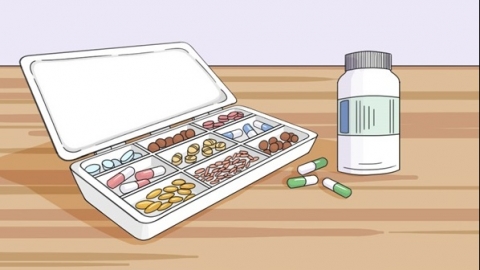
Potassium iodide is usually administered orally, either before or after meals. Before taking the medication, it is advisable to drink a sip of water to moisten the throat, helping prevent the tablet from sticking to the mouth or esophageal lining. The drug should be taken while sitting or standing, swallowing the whole tablet with an adequate amount of lukewarm water. Do not split or crush the tablet. During treatment with potassium iodide, avoid consuming foods high in iodine, such as kelp, nori, shrimp skins, other seafood, and iodized salt. Additionally, do not take other iodine-containing medications or supplements concurrently to prevent excessive iodine intake.
Potassium iodide has certain toxicity. Excessive or long-term intake may lead to adverse reactions, including angioedema, severe headache, joint pain, gastrointestinal discomfort, confusion, and arrhythmias. Therefore, it must be taken under medical supervision to avoid self-adjusting the dose, which could result in adverse effects.
Pregnant and breastfeeding women, elderly individuals, children, and patients with impaired liver or kidney function should have their dosing regimens individually adjusted according to their specific conditions.




