


What causes female genital pain after touching, and what should be done?

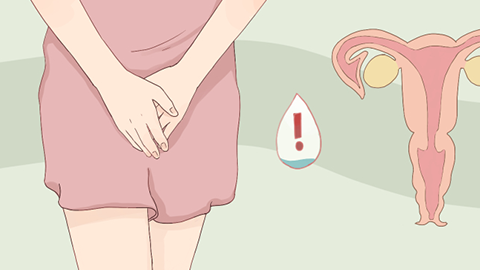
The private area generally refers to the vagina. If a woman experiences vaginal pain after touching it, possible causes may include tight underwear, vaginal dryness, vaginitis, cervicitis, or pelvic inflammatory disease. Appropriate measures can be taken depending on the specific cause. It is recommended to seek timely medical evaluation and treatment under the guidance of a healthcare provider.
1. Tight Underwear
Wearing tight-fitting underwear for prolonged periods may compress the vaginal area, impair blood circulation, and lead to discomfort such as pain and swelling. Women should switch to loose, comfortable underwear and avoid wearing tight styles regularly.
2. Vaginal Dryness
Insufficient sexual arousal can result in inadequate vaginal secretions and poor lubrication, causing pain during touch. Extending foreplay—such as through kissing—can help enhance arousal and promote natural lubrication. Water-based lubricants can also be used to reduce friction.
3. Vaginitis
Vaginitis may be caused by poor personal hygiene or bacterial infection, and symptoms may include vaginal itching, increased discharge, and pain. Women can take medications such as metronidazole tablets, levofloxacin hydrochloride capsules, or tinidazole tablets under medical supervision.
4. Cervicitis
Cervicitis is often caused by infection with bacteria, viruses, or other pathogens, with inflammation spreading to surrounding tissues. Symptoms may include increased vaginal discharge, vaginal bleeding, and pain. Women can take antibiotics such as amoxicillin capsules, cefradine capsules, or roxithromycin capsules as directed by a physician.
5. Pelvic Inflammatory Disease (PID)
PID may result from inadequate hygiene or bacterial infection, allowing bacteria to travel upward and cause symptoms such as lower abdominal pain, increased vaginal discharge, and vaginal bleeding. Treatment may include clindamycin hydrochloride injection, azithromycin capsules, or ibuprofen sustained-release capsules, as prescribed by a doctor.
In daily life, women should ensure adequate rest, maintain sufficient sleep, avoid staying up late, and engage in moderate outdoor activities such as walking or jogging, which may aid recovery.


