


What causes pain near the labia upon touch, and what should be done about it?

Pain near the labia upon touch may be caused by factors such as rough sexual intercourse, allergies, folliculitis, vulvitis, or vaginitis. It is important to seek timely medical attention, and symptoms can be improved through general care or medication as directed by a physician. Specific causes are analyzed as follows:
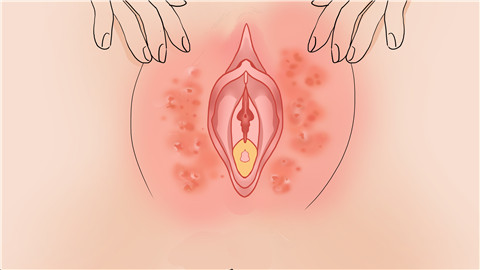
1. Rough sexual intercourse: If a male partner's movements during sex are too forceful, it may lead to congestion, edema, or even damage of the female labial mucosal tissue, resulting in pain. Symptoms can gradually improve by temporarily abstaining from sexual activity and getting adequate bed rest.
2. Allergy: Using substandard sanitary napkins, panty liners, or similar products may trigger local allergic reactions, causing symptoms such as redness, swelling, and pain. Antiallergy medications such as loratadine tablets, cetirizine hydrochloride tablets, or ebastine tablets may be used under medical guidance.
3. Folliculitis: This condition may be related to poor hygiene or bacterial infection. Inflammation may cause symptoms including redness, pain, and itching in the labial area. Women can apply antibiotics such as erythromycin ointment, mupirocin ointment, or fusidic acid cream under a doctor’s direction to relieve symptoms.
4. Vulvitis: Vulvitis refers to inflammation of the vulvar skin or mucosa caused by pathogen infection or various adverse stimuli, which may lead to swelling and pain. Common symptoms include redness, warmth in the labia, and tenderness upon touch. It is recommended to use medications such as Anar feminine cleansing solution, miconazole nitrate suppositories, or clotrimazole suppositories as prescribed to alleviate discomfort.
5. Vaginitis: This may result from bacterial infection or unhygienic sexual practices. Under stimulation from inflammatory secretions, symptoms such as labial swelling and pain may easily occur. Women may take medications such as levofloxacin hydrochloride tablets, metronidazole tablets, or tinidazole tablets as directed by a physician.
In daily life, it is important to get sufficient rest, ensure adequate sleep, avoid staying up late, and engage in moderate outdoor exercises such as walking or jogging, which can enhance immunity and support recovery.


