


Neck and shoulder pain while driving

Neck and shoulder pain while driving may be caused by incorrect sitting posture, prolonged maintenance of the same position, tension and anxiety, inadequate warmth, cervical spondylosis, or other reasons. Symptoms can be relieved through daily care and physical therapy. If discomfort persists, timely medical attention is recommended.
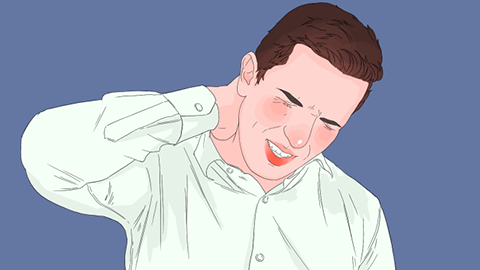
1. Incorrect sitting posture: Maintaining an incorrect posture for extended periods—such as excessively leaning the head forward or downward—can lead to muscle tension and pain in the neck and shoulders. Adjust the driver's seat and steering wheel properly to ensure the head and neck remain in a naturally upright position. Take regular breaks and perform gentle stretching exercises for the neck and shoulders.
2. Prolonged maintenance of the same posture: Remaining in a fixed driving position for long durations may cause muscle fatigue and stiffness, resulting in neck and shoulder pain. Make it a habit to stop periodically and stretch. Performing small-range movements of the neck and shoulders during driving can help alleviate muscle fatigue.
3. Tension and anxiety: Long hours of driving may induce stress and anxiety, leading to muscle tightness, especially in the neck and shoulders. Learn deep breathing and relaxation techniques to maintain a calm mindset. Practicing deep breathing or meditation before and during driving can help reduce feelings of tension.
4. Inadequate warmth: Keeping windows open for ventilation over long periods without proper local insulation may cause localized muscle tension, making neck and shoulder pain more likely. Pay attention to keeping the neck and shoulders warm while driving, and avoid prolonged exposure to drafts. Adjust ventilation duration or use heated seats to help relieve muscle tension.
5. Cervical spondylosis: Extended driving may place additional pressure on the cervical spine, triggering cervical spondylosis and causing pain and discomfort. Maintain good sitting posture and use a neck pillow to support the cervical spine. Perform slow rotational and stretching exercises for the neck to relieve tension. When necessary, patients may take medications such as chlorzoxazone tablets, eperisone hydrochloride tablets, or naproxen sodium tablets under medical guidance.
In daily life, maintain proper driving posture and regularly perform stretching exercises for the neck and shoulders. Avoid excessive fatigue while driving, and routinely check adjustments of the vehicle seat and steering wheel to ensure they are ergonomically appropriate.


