


What are the characteristics of rheumatic subcutaneous nodules?

Subcutaneous nodules in rheumatic conditions are characterized by nodules of varying sizes, hard texture, predilection for the extensor surfaces of joints, variable numbers, and abnormal coloration. If bodily discomfort occurs, prompt medical consultation is recommended. The details are as follows:
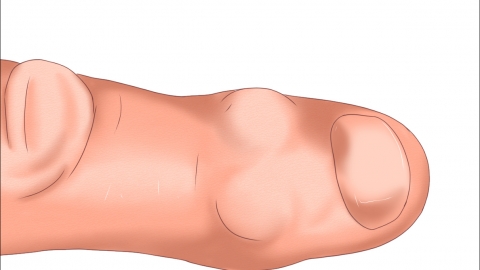
1. Nodules of varying sizes: Rheumatic subcutaneous nodules are typically pea-sized or slightly larger firm lumps, often round or oval in shape. Their diameters generally range from a few millimeters to several centimeters, though they usually do not exceed 2 cm.
2. Hard texture: The nodules are typically firm, non-adherent to the skin, and somewhat mobile. On palpation, a distinct hard mass can be felt beneath the skin, although tenderness is usually absent.
3. Predilection for the extensor surfaces of joints: Rheumatic subcutaneous nodules commonly occur on the extensor surfaces near joints such as the elbows, knees, wrists, and ankles, especially over bony prominences and pressure areas. These sites are more susceptible to rheumatic inflammation, leading to nodule formation.
4. Variable numbers: The number of nodules varies among individuals; some patients may have only one nodule, while others may develop multiple nodules. These nodules are typically scattered under the skin and do not cluster together.
5. Abnormal coloration: Rheumatic subcutaneous nodules may appear skin-colored or slightly darker. The overlying skin usually looks normal or may be slightly reddened. The nodules typically have well-defined borders, clearly demarcated from surrounding tissues.
In daily life, physical therapies such as joint care, heat application, and moderate exercise may help relieve local pain and improve joint function. It is advisable to avoid cold and damp environments and to keep the body warm, which can help reduce discomfort.


