


The main reasons why patients with chronic renal failure are prone to infections

Chronic renal failure patients are prone to infections mainly due to decreased immune function, malnutrition, impaired kidney excretory function, disrupted kidney endocrine function, and hemodialysis. If discomfort occurs, prompt medical attention is recommended.
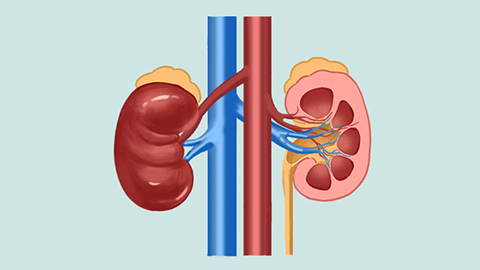
1. Decreased Immune Function
As chronic renal failure is a chronic condition, it not only damages kidney function but also impairs the body's immune system. As a result, patients become more susceptible to infections caused by pathogens such as bacteria or viruses. Engaging in moderate physical activities like walking, yoga, or tai chi may help enhance immune function.
2. Malnutrition
Due to impaired kidney function in patients with chronic renal failure, metabolic processes are reduced. Prolonged inability of the body to absorb nutrients properly leads to malnutrition. This malnourished state weakens the immune system and increases the risk of infection.
3. Impaired Kidney Excretory Function
The primary role of the kidneys is to eliminate excess water and metabolic waste from the body. In patients with chronic renal failure, damaged kidney function results in impaired excretion. When excess substances cannot be effectively removed from the body, the risk of infection increases.
4. Kidney Endocrine Dysfunction
The kidneys secrete various hormones and participate in regulating the body's acid-base balance. Patients with chronic renal failure often experience endocrine dysfunction, leading to hormonal imbalances that can predispose them to infections.
5. Hemodialysis
Patients undergoing hemodialysis require vascular access, such as arteriovenous fistulas or central venous catheters. These access points create direct pathways between the external environment and the bloodstream, making them vulnerable to bacterial contamination and subsequent infections.
Under medical supervision, patients may use medications such as bumetanide tablets, furosemide tablets, or hydrochlorothiazide tablets to help alleviate symptoms. It is important to maintain healthy lifestyle habits, including regular sleep patterns and a balanced diet, while avoiding frequent late nights or overeating, which could hinder recovery.


