


Why does my shoulder hurt like a side stitch when I inhale, and what should I do about it?

Shoulder pain resembling a pulled muscle upon inhalation may be caused by physiological factors such as exposure to cold, or it could result from pathological conditions including cold exposure, muscle strain, trauma, pneumothorax, and pleurisy. It is important to seek timely medical attention and follow a doctor's advice regarding general treatments, medications, or other interventions. The specific causes are analyzed below:
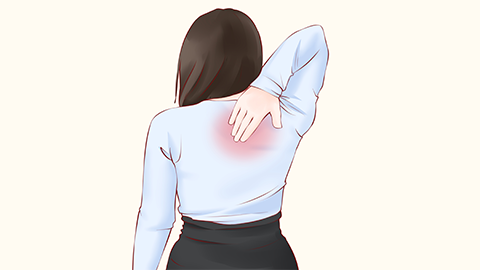
1. Cold exposure: If one does not maintain adequate warmth in daily life and is invaded by cold, localized muscle spasms may occur, leading to shoulder pain resembling a pulled muscle when inhaling. Applying a warm towel compress can improve blood circulation and relieve discomfort. Avoid prolonged exposure of the shoulder area to cold environments and take proper measures to stay warm.
2. Muscle strain: Maintaining the same posture for extended periods or overusing the shoulder muscles can lead to muscle fatigue, stiffness, and pain. Avoid staying in one position for too long and regularly move the shoulders and neck to relieve muscle fatigue. Patients can go to the hospital for physical therapies such as massage, manual therapy, or acupuncture, which can help reduce muscle tension and pain.
3. Trauma: If the local area suffers external impact, soft tissue damage may occur. Inhalation might exacerbate this injury, causing shoulder pain similar to a pulled muscle. Patients can take medications such as ibuprofen sustained-release capsules, celecoxib capsules, or amoxicillin capsules under medical guidance.
4. Pneumothorax: Pneumothorax may be associated with chest injuries or pulmonary bullae. Accumulated gas in the pleural cavity may compress surrounding nerves, resulting in symptoms such as shoulder pain and difficulty breathing. Under a doctor’s supervision, patients may use medications such as ceftriaxone sodium for injection, ceftazidime for injection, or cefixime tablets to manage the condition.
5. Pleurisy: Pleurisy may be caused by infectious diseases, autoimmune disorders, or other reasons. It can cause pain throughout the thoracic cage, radiating to the shoulder, often accompanied by chest tightness and shortness of breath. Patients can take rifampicin capsules, cefradine capsules, or levofloxacin hydrochloride capsules as directed by a physician.
In daily life, it is important to get sufficient rest, ensure adequate sleep, avoid staying up late, and engage in moderate outdoor activities such as walking or jogging, which may aid in recovery.


