


What Chinese herbal medicine should patients with nasal polyps take?

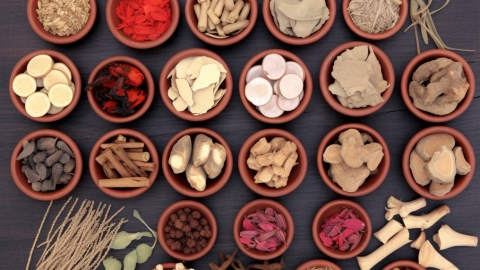
Under normal circumstances, patients with nasal polyps can take traditional Chinese herbs such as Magnolia flower (Xinyi), Scutellaria root (Huangqin), Angelica root (Baizhi), Xanthium fruit (Cang'ersi), and Forsythia fruit (Lianqiao) under medical guidance. It is recommended to strictly follow the doctor's instructions when using these medications. If any discomfort occurs, prompt medical attention is advised. Specific analysis is as follows:
1. Magnolia Flower (Xinyi): Helps disperse wind-cold and unblock nasal passages, showing good therapeutic effects for nasal polyps caused by cold pathogens. Its ability to dispel cold can help eliminate coldness in the nasal cavity, thereby alleviating symptoms of nasal polyps. Some patients may develop allergic reactions such as rashes after use; therefore, patients with a history of allergies should use it cautiously.
2. Scutellaria Root (Huangqin): Mainly used to treat various symptoms caused by excessive lung fire. For patients with nasal polyps, Huangqin clears heat from the lungs and reduces nasal inflammation due to lung heat, thus relieving polyp-related symptoms. As Huangqin has a bitter and cold nature, patients with weak spleen and stomach functions should use it cautiously to avoid further damaging digestive health.
3. Angelica Root (Baizhi): Possesses effects of dispelling wind, relieving exterior syndromes, drying dampness, and stopping discharge. It can alleviate symptoms such as headache and nasal congestion. In patients with nasal polyps, Baizhi helps remove dampness from the nasal cavity and reduce nasal blockage. However, since Baizhi may deplete body fluids, patients with yin deficiency or blood heat should avoid its use.
4. Xanthium Fruit (Cang'ersi): Has the function of dispersing wind-cold and opening nasal passages, offering certain therapeutic benefits for nasal polyps triggered by external wind invasion. Cang'ersi helps expel wind-cold from the nasal cavity and restore normal nasal airflow. Due to its potential toxicity, long-term use is not recommended, and patients with impaired liver or kidney function should use it with caution.
5. Forsythia Fruit (Lianqiao): Known for clearing heat and detoxifying, Lianqiao helps eliminate internal heat toxins and reduce inflammatory responses in the nasal cavity, contributing to the treatment of nasal polyps. Given its cold nature, patients with spleen and stomach deficiency-cold should use it cautiously.
During medication, patients are advised to maintain a light diet, avoid spicy and irritating foods such as chili peppers and Sichuan pepper, drink plenty of warm water, and ensure adequate sleep to support recovery.


