


Will HPV develop into cervical cancer within three years?

In general, HPV infection refers to human papillomavirus infection. If a patient has this condition and actively cooperates with medical treatment within three years, it usually will not progress to cervical cancer; however, if the patient does not receive timely and active treatment, it may develop into cervical cancer. If there is a human papillomavirus infection, prompt medical attention is recommended. Detailed analysis is as follows:
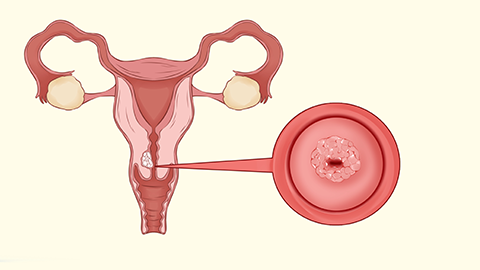
If a patient has a human papillomavirus infection and actively follows medical treatment within three years, the condition typically will not progress to cervical cancer. Treatment may include medication, physical therapy, or surgical intervention, depending on the severity of the condition and the doctor's recommendations. Under medical guidance, patients may use medications such as imiquimod cream, podophyllotoxin ointment, or pidotimod tablets to aid recovery.
If a patient does not actively treat the human papillomavirus infection, the virus may continue to replicate, causing DNA damage and abnormal proliferation of cervical cells. Long-term persistent high-risk HPV infection may increase the risk of cervical precancerous lesions and cervical cancer.
Women should avoid excessive vaginal cleaning, which may disrupt the natural vaginal microecosystem and increase the risk of infection.


