


Do I need root canal treatment if tooth decay reaches the dentin?

Generally, if tooth decay has reached the dentin but has not yet affected the dental nerve, root canal treatment is usually not required. However, if the decay has already involved the dental nerve, root canal treatment becomes necessary. When tooth decay occurs, it is recommended to seek timely medical care. The detailed explanation is as follows:
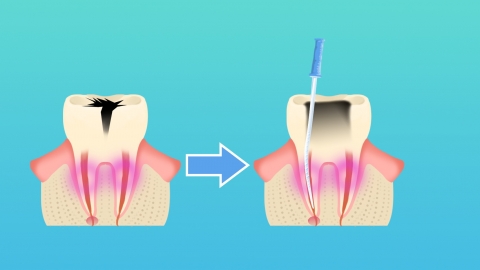
Dental caries is a common oral disease, primarily caused by acid produced when bacteria on the tooth surface react with food residues, leading to erosion of the hard dental tissues. In the early or middle stages of caries, if the damage is limited to the dentin layer and has not yet reached the dental nerve, root canal treatment is typically not needed. At this stage, although some structural damage to the tooth has occurred, the dental nerve remains intact and the tooth's basic function is largely unaffected. The main goal of treatment at this point is to remove the decayed tissue and prevent further progression of the decay. This can usually be achieved effectively through dental fillings or restorative materials, which restore the tooth’s shape and function.
If the decay has progressed to the point of affecting the dental nerve, the condition becomes more serious. At this stage, the dental nerve is already damaged and may cause severe pain, swelling, and other symptoms that significantly impact the patient’s daily life. In such cases, prompt root canal treatment is required. Root canal therapy involves removing the infected nerve tissue and surrounding infected areas to prevent the spread of infection, while preserving the affected tooth and avoiding the inconvenience associated with tooth extraction.
It is recommended to have regular dental check-ups and maintain good oral hygiene habits to prevent the occurrence of dental caries.


