


What are the symptoms after exercise-induced rhabdomyolysis?

Under normal circumstances, symptoms following exercise-induced rhabdomyolysis include muscle pain, muscle weakness, darkened urine, nausea and vomiting, fever, etc. If any physical discomfort occurs, it is recommended to seek medical attention promptly. A detailed analysis is as follows:
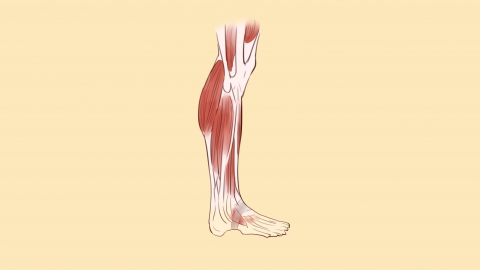
1. Muscle Pain
After exercise-induced rhabdomyolysis, patients often experience muscle pain, especially in the affected muscle areas. This pain may be severe, last for a prolonged period, and even lead to restricted movement.
2. Muscle Weakness
Following this condition, affected muscles may feel weak. Patients may find it difficult to perform normal muscular activities, and even simple movements may become challenging.
3. Darkened Urine
Due to myoglobin released from muscle breakdown entering the bloodstream, urine may darken in color, appearing tea-colored or red—this is a common characteristic of rhabdomyolysis.
4. Nausea and Vomiting
Muscle damage caused by exercise-induced rhabdomyolysis can allow myoglobin and other cellular contents to enter the bloodstream, stimulating the digestive system and leading to nausea and vomiting.
5. Fever
In severe cases of exercise-induced rhabdomyolysis, the release of myoglobin and other intracellular substances into the blood may trigger a systemic inflammatory response, resulting in fever.
These symptoms typically appear after exercise or excessive physical activity and may persist for an extended period. In severe cases, exercise-induced rhabdomyolysis can also lead to serious complications such as renal insufficiency, electrolyte imbalances, and metabolic acidosis.


