


Does changing from "big three positive" to "small two positive" indicate improvement or worsening?

"Big three positives" usually refers to hepatitis B big three positives, while "small two positives" typically refers to hepatitis B small two positives. Whether the transition from hepatitis B big three positives to small two positives indicates improvement or worsening of the condition must be comprehensively evaluated based on specific medical test results. If the quantitative level of hepatitis B virus (HBV) DNA is low and liver function is normal, the condition is generally considered to be improving. However, if the HBV DNA level remains high and liver function abnormalities are present, the condition may be deteriorating. In case of abnormal test results, timely medical consultation and treatment are recommended. The detailed analysis is as follows:
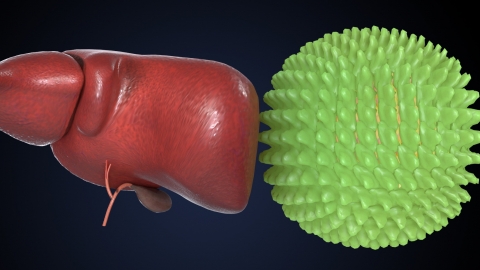
If the quantitative level of hepatitis B virus DNA is low and liver function remains normal, this usually indicates that the condition may be improving. In such cases, the shift from big three positives to small two positives may suggest reduced viral replication, less liver damage, and an immune system effectively suppressing viral activity.
If the hepatitis B virus DNA level remains high and liver function abnormalities occur, this transition may indicate a worsening condition. A high viral load typically means active viral replication, while abnormal liver function suggests ongoing liver damage. Patients may follow their doctor's instructions to use medications such as azathioprine tablets, bicyclol tablets, or recombinant human interferon α2b injection to reduce liver damage.
Regardless of whether the condition is improving or worsening, patients should maintain a positive mindset, adhere to medical advice, and persist with treatment and management to promote recovery.


