


Health Benefits, Effects, and Methods of Consumption of Turmeric Powder

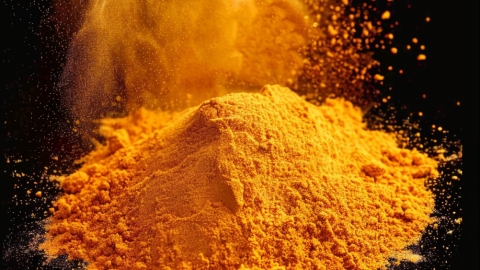
Turmeric powder is a yellow powder made by grinding the rhizomes of turmeric. Its potential health benefits and effects include antioxidant activity, anti-inflammatory action, improved digestion, enhanced brain health, and cardiovascular support. Common methods of consumption include direct ingestion, dissolving in warm water, adding to food, preparing as beverages, and combining with other ingredients. A detailed analysis follows:
I. Health Benefits and Effects
1. Antioxidant Activity: Curcumin—the primary bioactive compound in turmeric powder—possesses potent antioxidant properties. It neutralizes free radicals in the body, reduces oxidative stress, protects cells from damage, and helps slow the aging process.
2. Anti-inflammatory Action: Curcumin exhibits moderate anti-inflammatory effects by inhibiting inflammatory pathways in the body, thereby alleviating pain and discomfort associated with inflammation. This property supports its adjunctive use in managing inflammatory conditions such as arthritis and gastrointestinal inflammation.
3. Digestive Support: Turmeric powder stimulates bile secretion, aiding fat digestion and absorption, thus relieving symptoms of indigestion. It also helps balance gut microbiota and improve intestinal environment, reducing bloating, gastric discomfort, and other digestive complaints.
4. Brain Health Enhancement: Curcumin promotes the production of brain-derived neurotrophic factor (BDNF), supporting neuronal growth and synaptic connectivity, thereby enhancing memory and cognitive function. Long-term, moderate intake of turmeric powder may help reduce the risk of neurodegenerative disorders such as Alzheimer’s disease.
5. Cardiovascular Benefits: Curcumin improves vascular endothelial function, reduces cholesterol oxidation, inhibits platelet aggregation, and promotes vasodilation—thereby maintaining vascular health and lowering the risk of cardiovascular diseases. It may also help prevent atherosclerosis and heart disease.
II. Methods of Consumption
1. Direct Ingestion: Turmeric powder can be boiled and encapsulated for oral administration, facilitating easy swallowing. This method is ideal for individuals sensitive to taste.
2. Dissolving in Warm Water: Simply mix turmeric powder into freshly boiled (then slightly cooled) water for immediate consumption. This is a straightforward and convenient method. Honey or lemon juice may be added to enhance flavor according to personal preference.
3. Incorporation into Food: During cooking, turmeric powder can be used as a seasoning in stir-fried dishes, soups, congee, or curry preparations. This not only enhances flavor but also maximizes its nutritional benefits.
4. Beverage Preparation: Mix turmeric powder with hot water and add lemon juice, honey, or other flavorings to create a healthy beverage. Alternatively, blend turmeric powder with milk or plant-based milk and gently heat to prepare “golden milk” (turmeric latte)—a rich-tasting drink that also supports digestion and nutrient absorption.
5. Combination with Other Ingredients: Turmeric powder may be synergistically combined with other traditional ingredients such as rice, Corydalis yanhusuo, and Cyperus rotundus to enhance therapeutic efficacy. For example, boiling eggs with turmeric powder may help postpartum women alleviate abdominal pain and incomplete lochia discharge; cooking turmeric powder with rice into congee may promote blood circulation and resolve blood stasis.
Pregnant women, patients with gallstones, and individuals taking anticoagulant medications should consult a healthcare provider before using turmeric powder. Pregnant women should avoid turmeric supplementation due to potential uterine-stimulating effects that may increase miscarriage risk. Individuals with gallbladder disease should also refrain from consuming turmeric powder.


