


What causes a dent in the cheek apple muscle, and what should be done about it?

A depression on the cheek's apple muscle is usually caused by skin laxity and may be related to factors such as genetics, aging, malnutrition, trauma, or poor bone development. Treatment options typically include medications prescribed by a doctor, such as erythromycin ointment or fusidic acid cream. If these are ineffective, corrective procedures like hyaluronic acid injections, autologous fat transplantation, chemical peels (e.g., fruit acid peeling), fractional laser therapy, or facial thread lifting surgery may be considered.
Analysis of Apple Muscle Depression Treatments:
| Cause | Genetics | Aging | Malnutrition | Trauma | Poor Bone Development |
Treatment Name |
Hyaluronic Acid Injection |
Autologous Fat Transplantation | Chemical Peel (Fruit Acid) |
Fractional Laser |
Facial Thread Lift Surgery |
Image Example |
|
 |
|
|
|
Principle |
Fills skin tissue, promotes collagen formation, and improves skin condition |
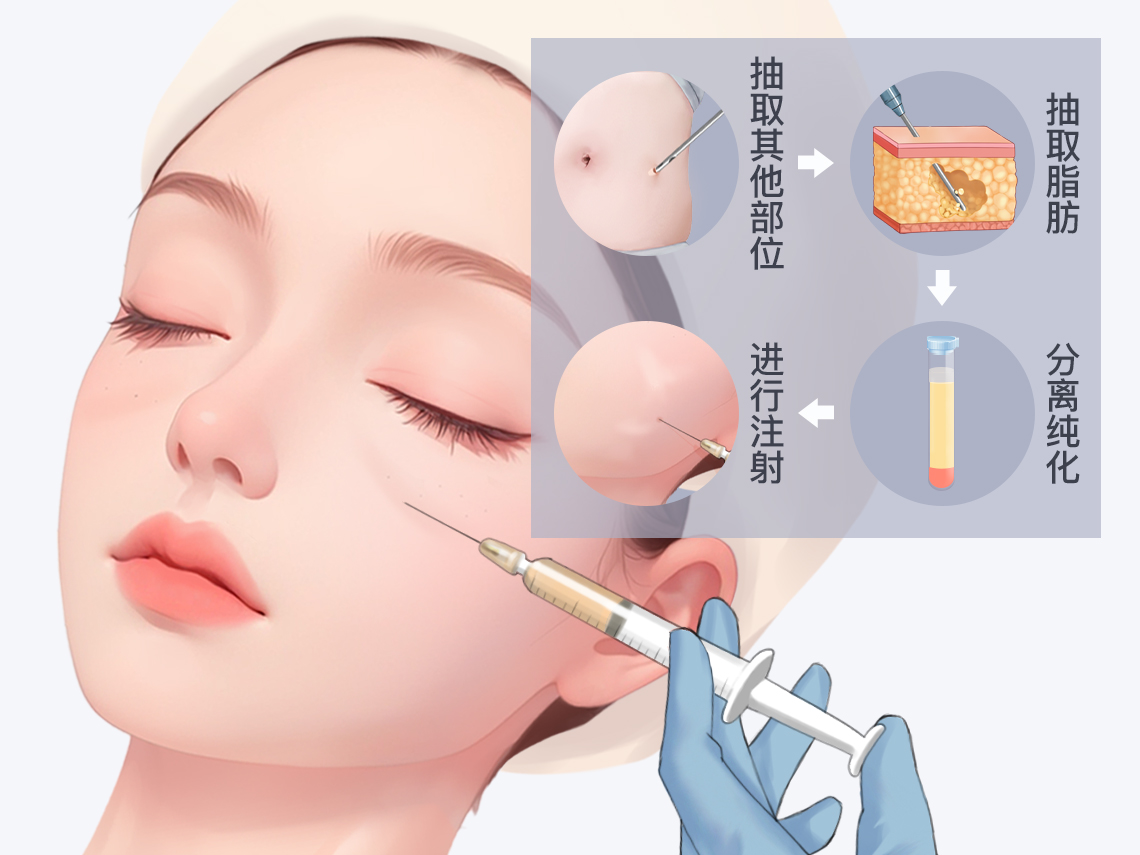
Harvests fat cells from another part of the body, processes them, and injects them into the depressed area of the apple muscle |
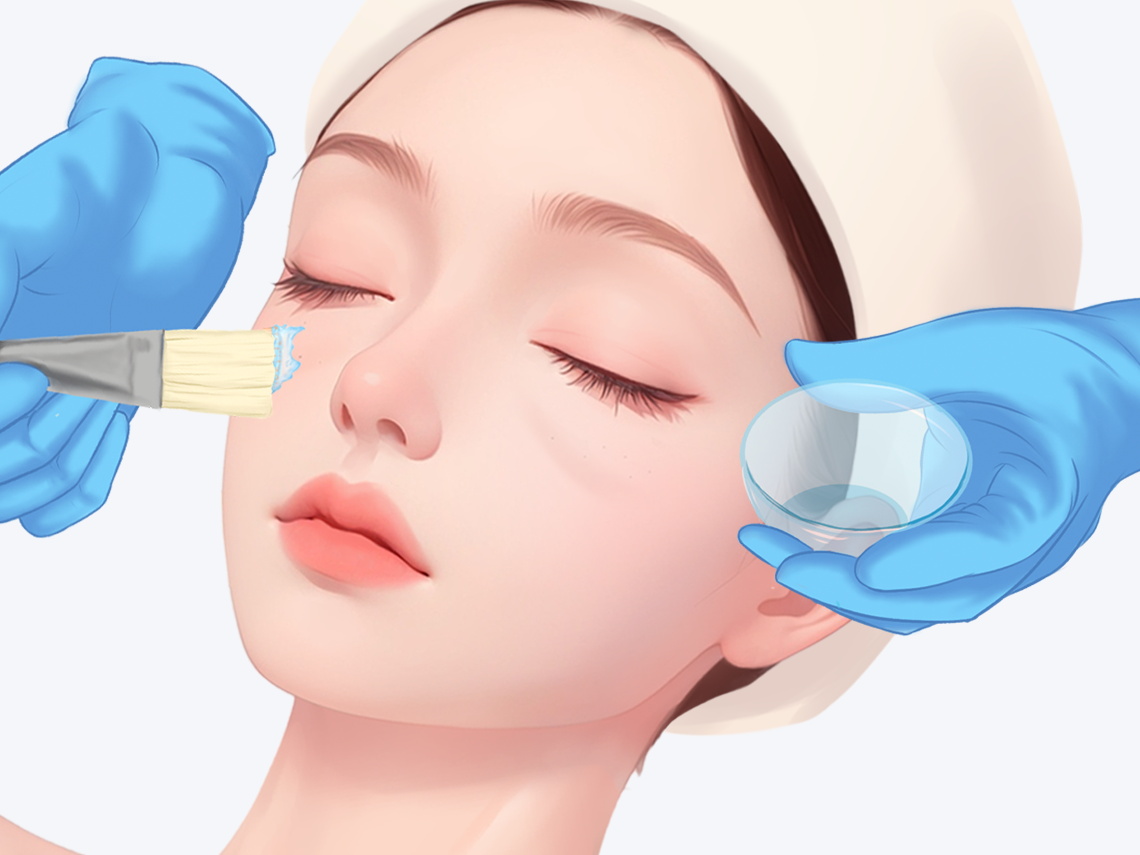
Uses fruit acids to exfoliate the stratum corneum and repair elastic fibers |
Laser stimulation induces collagen regeneration to smooth out depressions |
Threads use tension and lifting force to correct depressions |
Reference Price |
2,000–10,000 RMB per session |
5,000–10,000 RMB per session |
200–2,000 RMB per session |
3,000–6,000 RMB per session |
3,000–8,000 RMB per session |
Advantages |
1. Good hydration effect |
1. Minimal discomfort |
1. Highly controllable procedure |
1. Natural-looking results |
1. Less likely to leave scars |
Potential Risks |
1. May cause local swelling |
1. Subcutaneous bleeding |
1. May cause dry skin |
Possible hyperpigmentation |
1. Bruising may occur |
Duration of Effect |
1–2 months |
5–10 years |
1–2 months |
6–12 months |
1–2 years |



If considering any of the above treatments, it is recommended to visit a reputable hospital and consult with a qualified physician. In daily life, avoid excessive dieting, eat smaller meals more frequently, and consume foods rich in collagen such as pig trotters and chicken feet to provide essential nutrients for the skin and help improve symptoms.


