How to completely remove keratosis pilaris
Sep 02, 2024
Source: Cainiu Health

Dr. Liu Wenmin
Introduction
Generally speaking, there is no such thing as a complete cure for keratosis pilaris. Keratosis pilaris is an autosomal dominant genetic skin disorder that cannot be cured permanently. Common surgical treatment options include cryotherapy, dermabrasion, fractional laser therapy, and skin grafting after excision. It is recommended to seek timely medical consultation and receive symptomatic treatment under the guidance of a physician.
Generally speaking, there is no such thing as a "complete cure for keratosis pilaris." Keratosis pilaris is an autosomal dominant genetic skin disorder that may be caused by factors such as genetics, hormonal changes, physical trauma, vitamin deficiencies, or immune system diseases. It usually cannot be completely cured. In daily life, one can avoid sun exposure and prevent abrasions. Medication treatments typically include topical agents such as tretinoin ointment or salicylic acid ointment, used under medical supervision. Common surgical treatment options include cryotherapy, dermabrasion, fractional laser therapy, and excision with skin grafting. It is recommended to seek timely medical consultation and receive symptomatic treatment under the guidance of a physician.
Analysis of Causes of Keratosis Pilaris:
| Cause | Genetics |
Hormonal Changes | Physical Trauma |
Vitamin A Deficiency | Immune System Disorders |
| Analysis | An autosomal dominant genetic disease caused by gene mutations on chromosomes. | Conditions such as hypothyroidism or long-term use of corticosteroids may trigger keratosis pilaris. | Physical trauma can easily lead to lesions at the injured site, increasing the risk of developing keratosis pilaris. | Vitamin A deficiency may result in abnormal keratin proliferation. | Certain immune system disorders may also contribute to the development of keratosis pilaris. |
| Solutions | 1. Avoid sun exposure 2. Fractional laser therapy |
1. Use medications such as tretinoin ointment or salicylic acid ointment as directed by a doctor 2. Fractional laser therapy 3. Cryotherapy |
1. Maintain cleanliness and hygiene of affected areas 2. Skin grafting after excision 3. Dermabrasion |
1. Consume more foods rich in vitamin A, such as bananas, apples, Chinese cabbage, etc. 2. Dermabrasion 3. Cryotherapy |
1. Fractional laser therapy 2. Cryotherapy |
Analysis of Treatment Methods for Keratosis Pilaris:
Procedure Name |
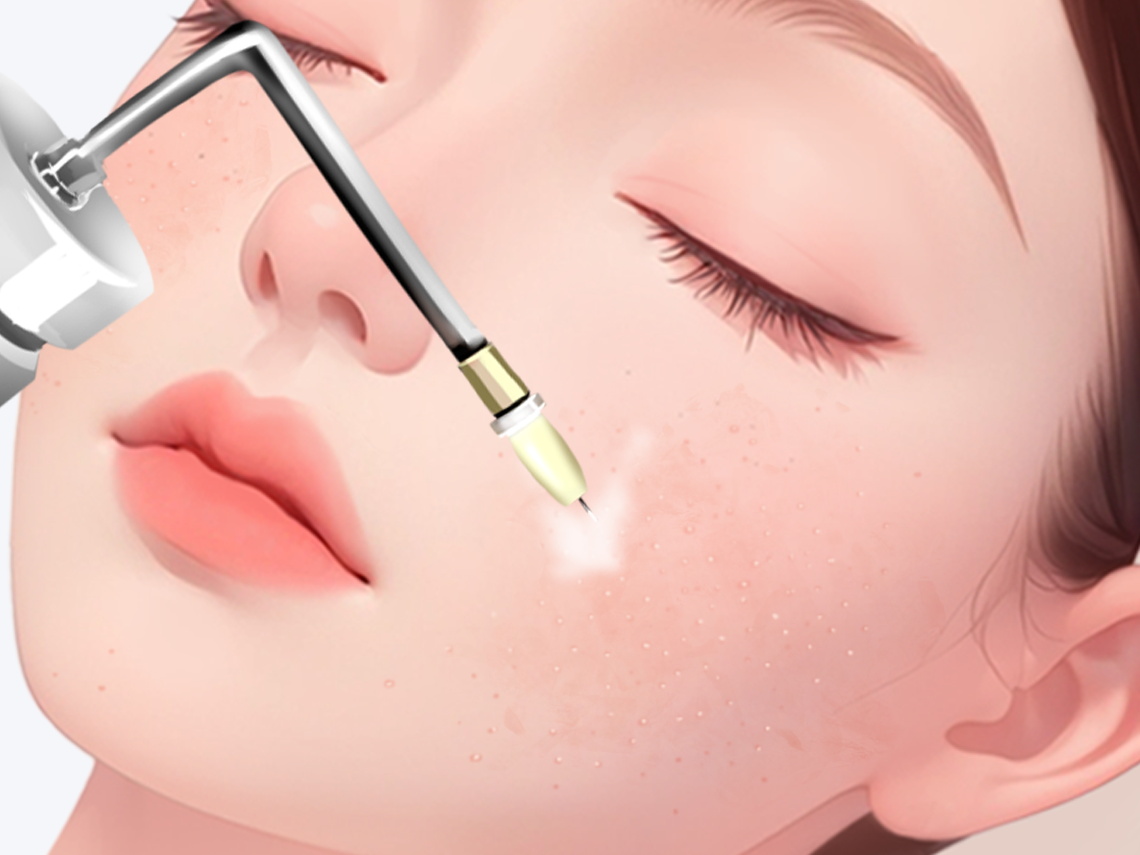
Cryotherapy |
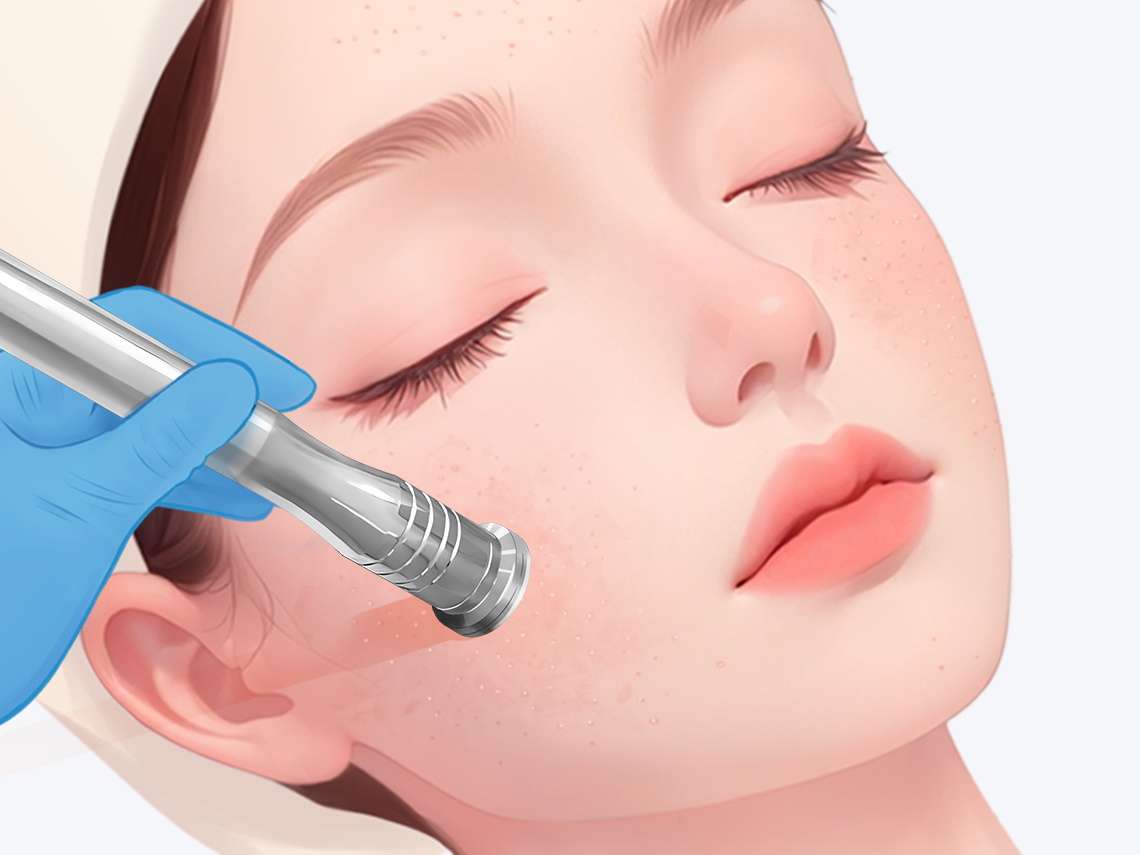
Dermabrasion |
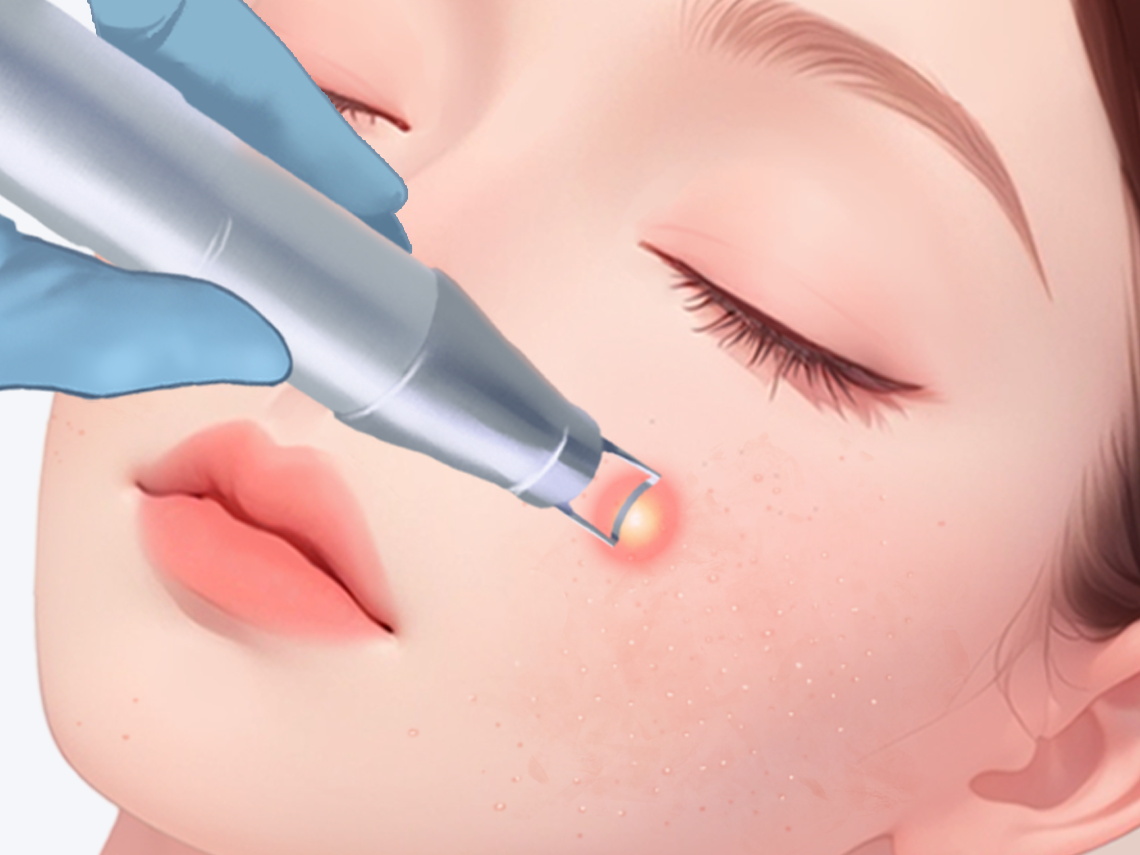
Fractional Laser Therapy |
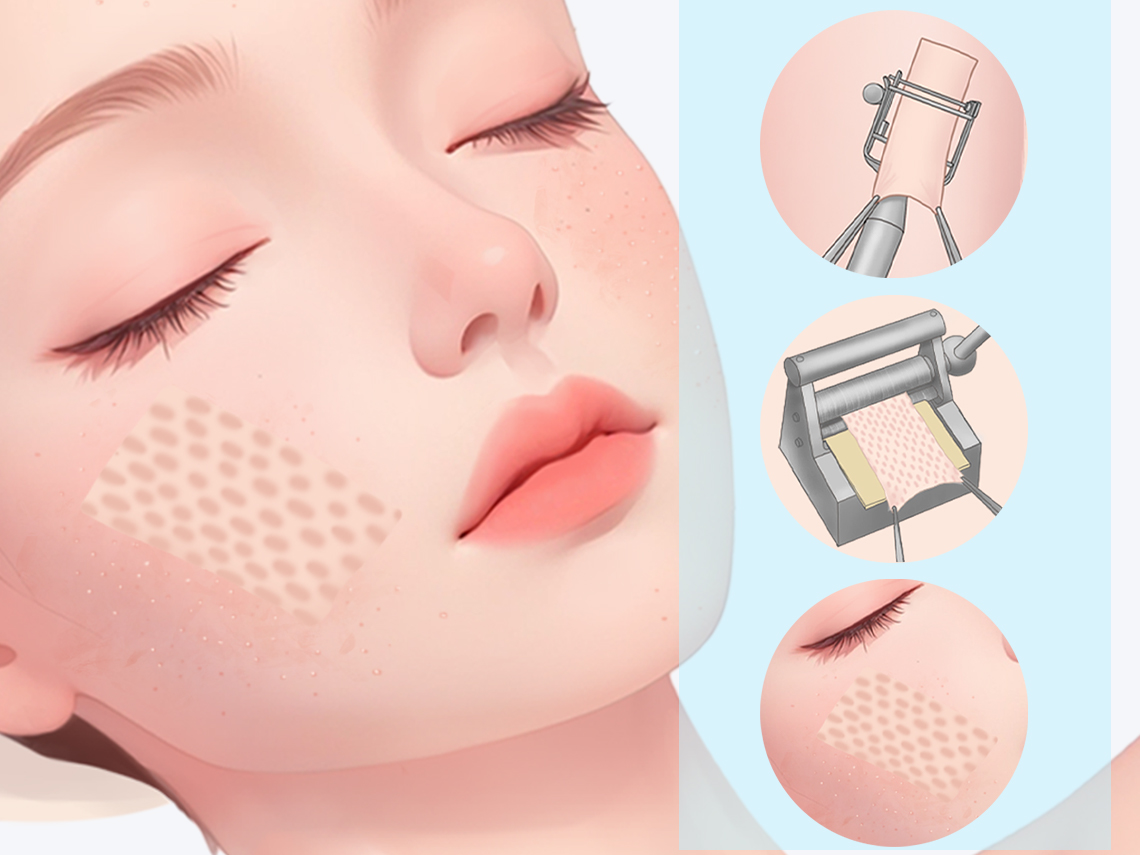
Excision with Skin Grafting |
Illustration |
|
|
|
|
Description |
Uses low temperature to destroy keratinized tissue and cell structures at the hair follicle opening |
Mechanically removes the stratum corneum and abnormal growths from the skin surface through abrasion |
Laser energy destroys keratinized material at the follicular orifice and promotes skin metabolism |
Surgically removes diseased skin tissue and repairs the area with healthy skin grafts |
Indications |
Mild to moderate cases |
Hypertrophic skin lesions |
All severity levels |
Hypertrophic skin lesions |
Advantages |
1. Simple and quick 2. Safe and painless |
1. Fast and effective (10–20 minutes) 2. Wide applicability |
1. Noticeable results 2. Broad application range |
1. Complete removal 2. Significant effect |
| Potential Risks | 1. Significant pain 2. Possible recurrence |
1. Possible pigmentation or erythema 2. Risk of hypertrophic scarring |
1. Risk of burns or thermal injury 2. Possible pigmentation or scarring |
1. Risk of infection 2. Donor site may experience pain, infection, or poor healing |
Reference Price |
2,000–4,000 RMB per session |
3,000–12,000 RMB per session |
1,000–5,000 RMB per session |
5,000–20,000 RMB per session |
Recovery Time |
10–14 days |
7–14 days |
3–7 days |
3–6 months |
It is recommended to consult a qualified physician and choose an appropriate treatment plan based on individual circumstances under professional medical guidance.