


How to make thick lower lip thinner
Sep 04, 2024
Source: Cainiu Health

Dr. Liu Wenmin
Introduction
In general, thick lower lips may be caused by factors such as genetics, insect bites, allergies, cheilitis, or soft tissue injury. They can usually be made thinner through treatments such as microneedling, lip tattooing, fractional laser therapy, liposuction, or lip reduction surgery, depending on the specific situation. If necessary, it is recommended to visit a正规 hospital and undergo procedures under the guidance of a qualified physician.
In general, a thick lower lip may be caused by factors such as genetics, insect bites, allergies, cheilitis, or soft tissue injury. Depending on the specific situation, various methods can be used to make the lips thinner, including microneedling, lip tattooing (permanent makeup), fractional laser treatment, liposuction, or surgical lip reduction.
Causes of a Thick Lower Lip:
1. Genetics
Genetic inheritance determines the basic facial structure and lip shape. If thick lips are a hereditary trait in the family, individuals are more likely to have a naturally thick lower lip—this is a physiological characteristic determined by genetic material. In such cases, cosmetic procedures like surgical lip thinning (lip reduction surgery) may be considered.
2. Insect Bites
When an insect bites the lower lip, it injects saliva containing chemicals that trigger an immune response, causing inflammation at the bite site. This results in redness and swelling, making the lower lip appear thicker. To relieve itching and reduce inflammation, calamine lotion or desonide cream may be applied as directed by a physician.
3. Allergic Reaction
After consuming allergenic foods or coming into contact with allergens such as lipstick, the body's immune system may identify these substances as harmful invaders, triggering an immune response. This leads to the release of histamine and other chemicals, causing blood vessels in the lower lip to dilate and become more permeable. Fluid leaks into surrounding tissues, resulting in swelling and thickening of the lips. Immediately discontinue contact with the allergen. Antihistamines such as loratadine tablets or levocetirizine hydrochloride tablets may be taken orally under medical guidance for anti-allergy treatment.
4. Cheilitis (Lip Inflammation)
Cheilitis causes inflammation of the lip mucosa, presenting as redness, peeling, and oozing. Prolonged inflammation may lead to tissue hyperplasia, resulting in a thickened lower lip. Use moisturizing lip balms to keep lips hydrated, avoid irritants, and correct不良 habits such as lip licking.
5. Soft Tissue Injury
Trauma from impact or biting can injure the soft tissues of the lower lip, causing blood vessels to rupture and form hematomas. The body’s inflammatory response leads to local congestion and edema, making the lip appear swollen and thicker. Within the first 24 hours after injury, apply cold compresses locally to reduce bleeding and swelling—15–20 minutes per session, 3–4 times daily. After 24 hours, switch to warm compresses to promote blood circulation and absorption of the hematoma, with the same duration and frequency.
Analysis of Lip-Reduction Procedures:
Procedure |
Microneedling |
Lip Tattooing |
Fractional Laser |
Liposuction |
Surgical Lip Reduction |
Example Image |
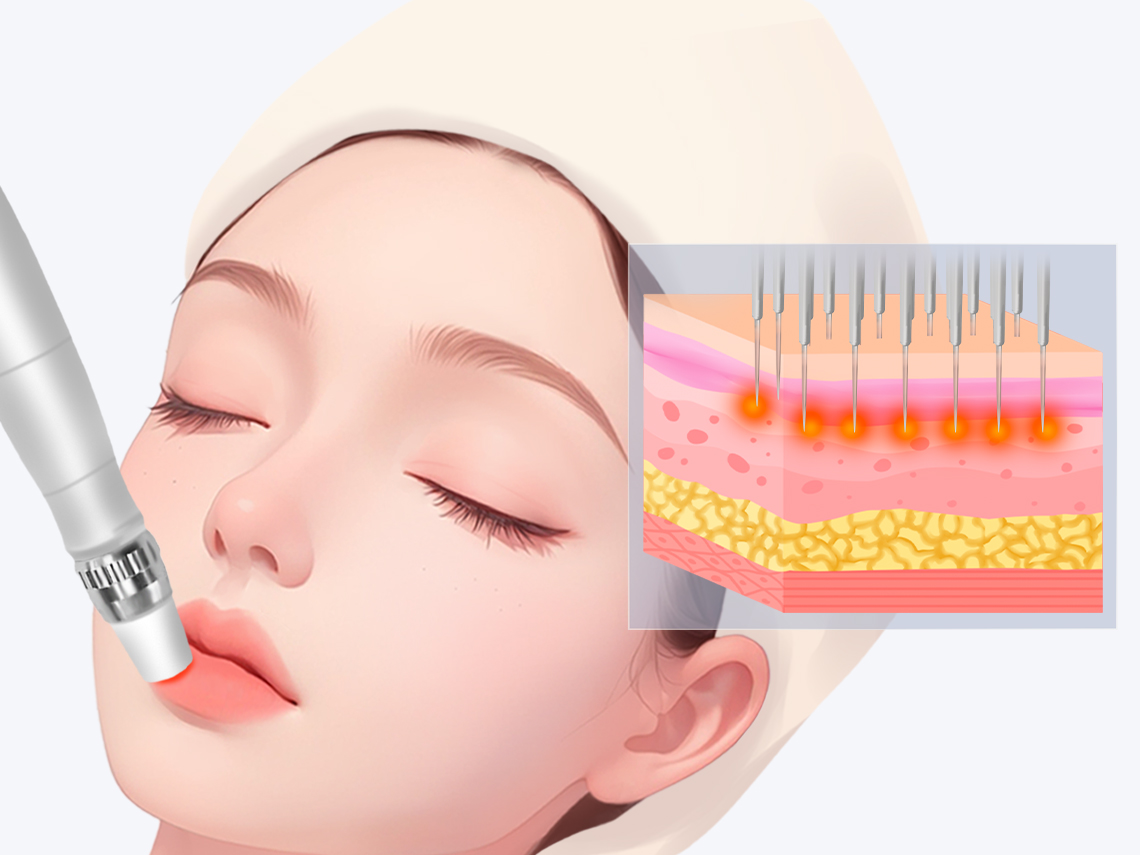 |
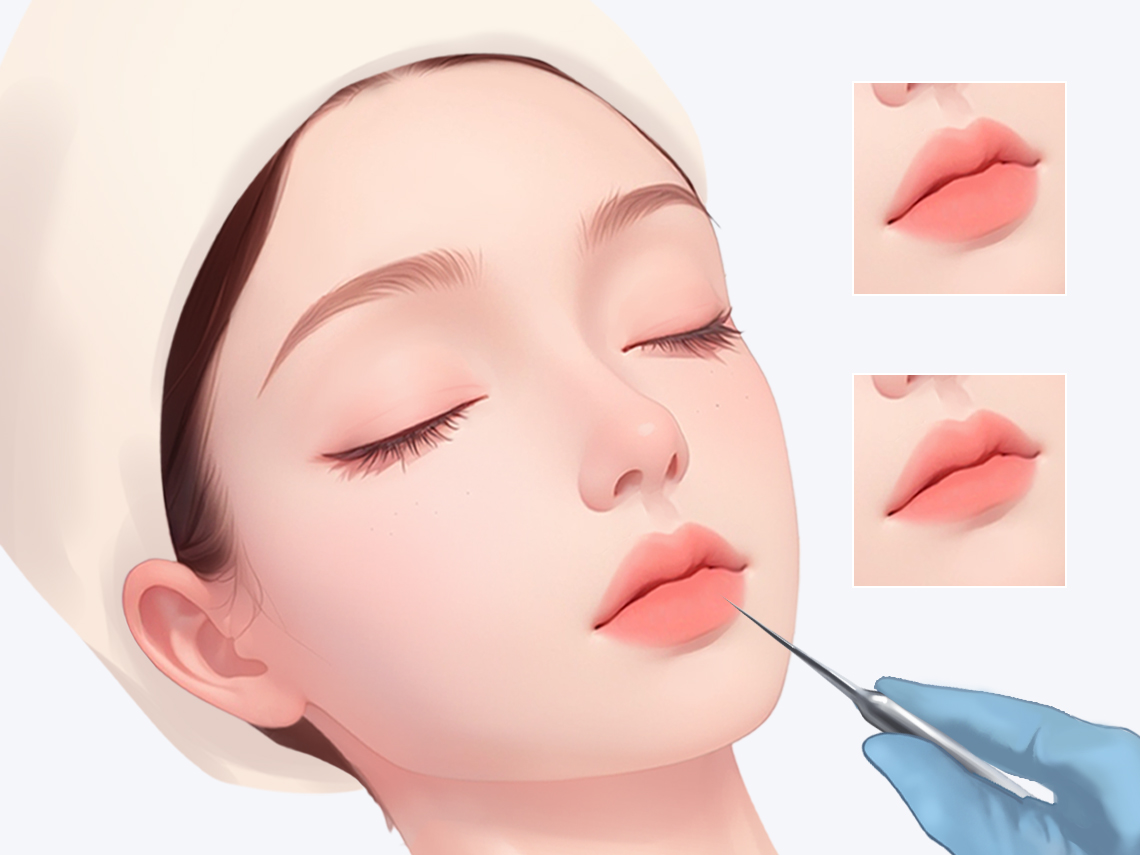 |
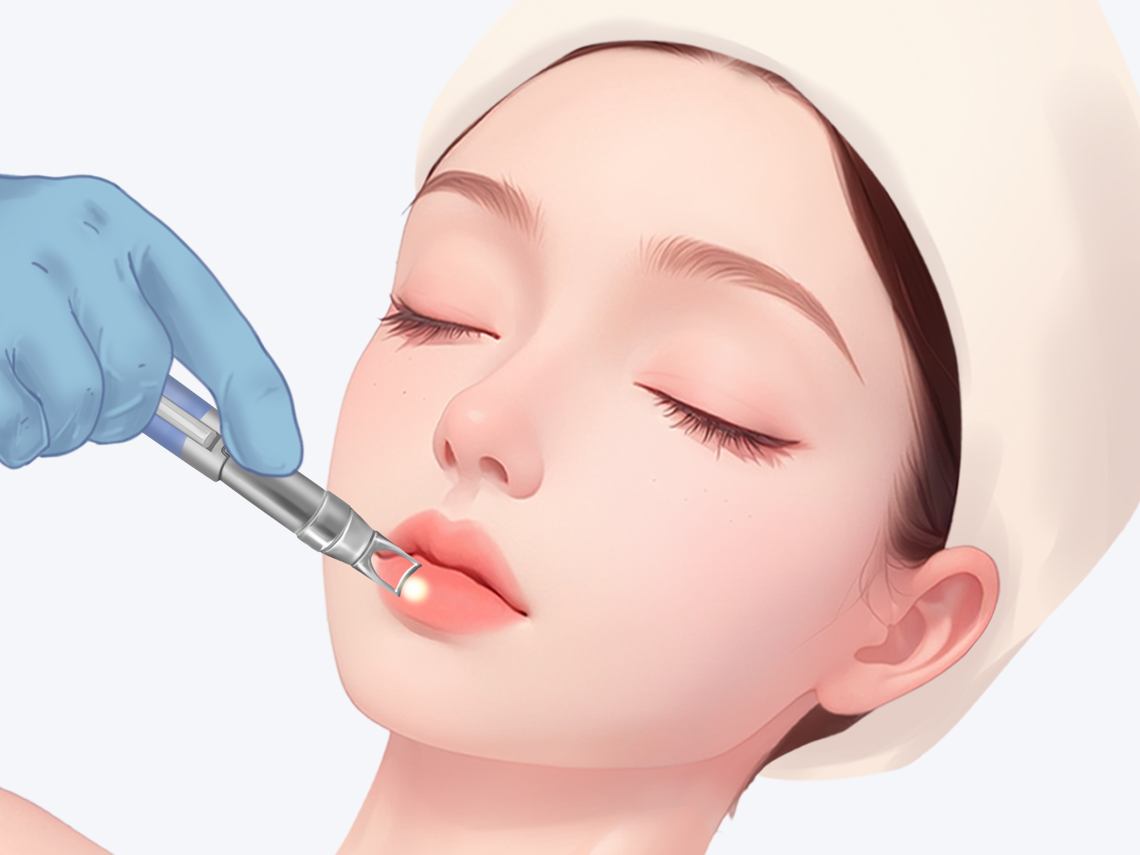 |
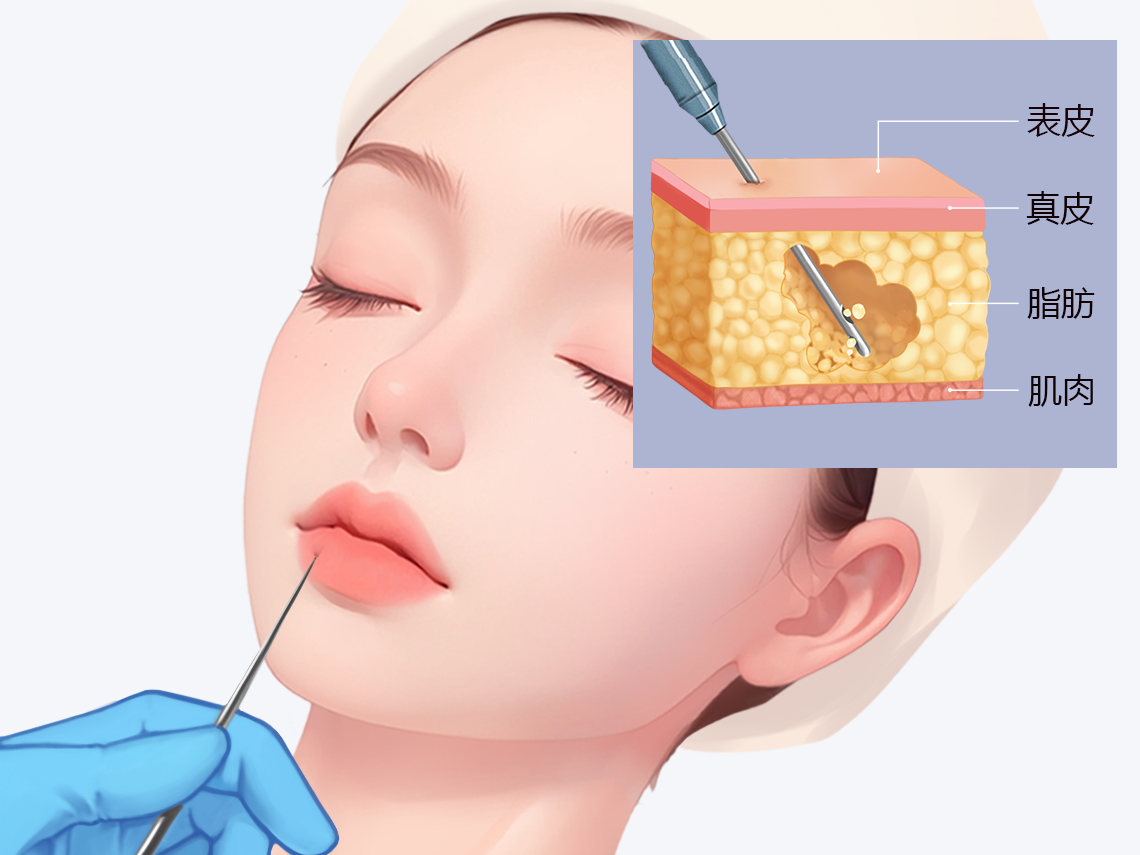 |
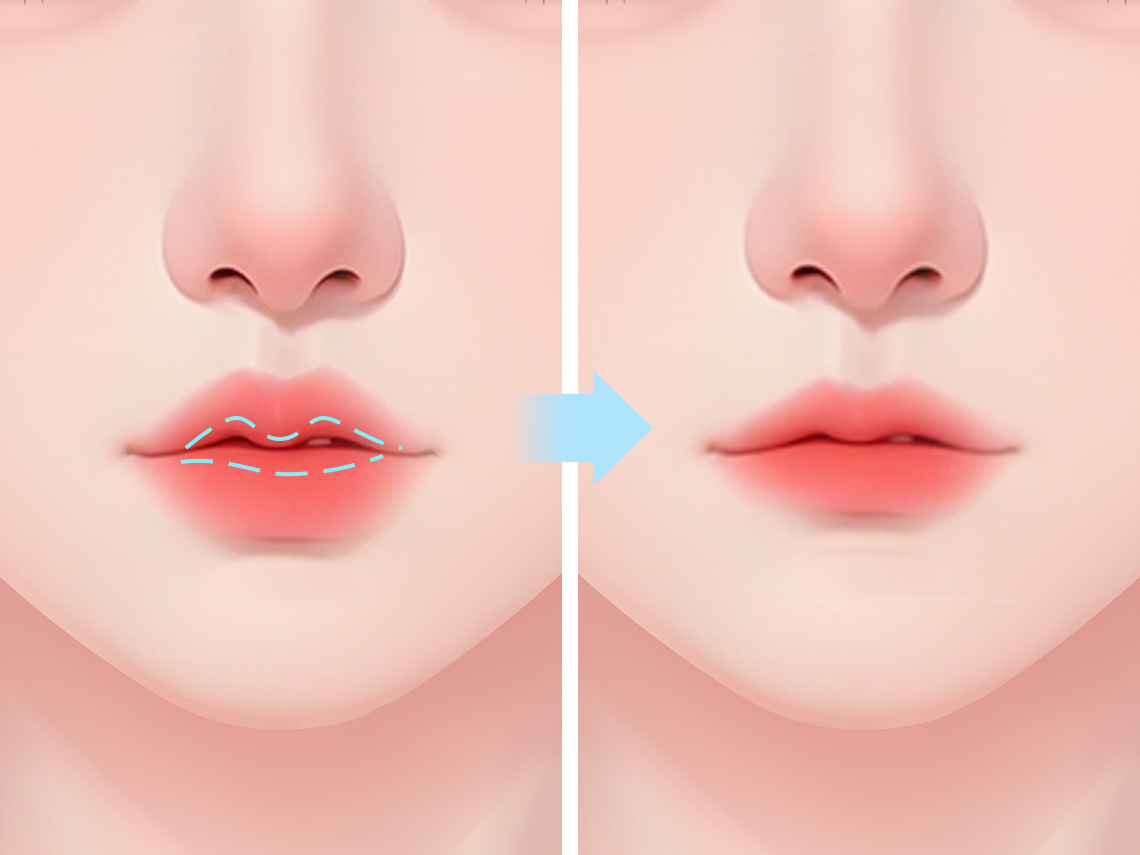 |
Description |
Uses micro-needles to create channels that enhance drug absorption and stimulate tissue repair, tightening the lips |
Creates a visual illusion of thinner lips using pigments and precise lines |
Utilizes thermal energy to stimulate collagen remodeling in the lips, achieving a tightening and thinning effect |
Reduces lip volume by removing fat cells via vacuum suction |
Directly removes excess lip tissue to reshape and thin the lips |
Reference Price |
2,000–5,000 RMB per session |
1,000–3,000 RMB per session |
1,000–2,000 RMB per session |
2,500–3,500 RMB per session |
3,000–5,000 RMB per session |
Advantages |
1. High safety profile |
1. Minimal pain |
1. Improves lip skin texture |
1. Natural-looking, scar-free results |
1. High safety |
Duration of Results |
3–6 months |
6–12 months |
6–12 months |
2–3 years |
10–15 years |
Potential Risks |
1. Pain |
1. Swelling |
1. Skin burns |
1. Bruising |
1. Swelling |
Maintain good skin hygiene to prevent infection and ensure optimal treatment outcomes. If needed, consult a reputable medical facility and undergo procedures under the guidance of qualified professionals.





