How to make dark skin whiter, and what is the fastest method?
Sep 02, 2024
Source: Cainiu Health

Dr. Liu Wenmin
Introduction
Generally speaking, there is no such thing as "how to make dark skin whiter and what the fastest method is." Dark skin may result from higher levels of melanin, which could be related to genetics, environment, lack of sun protection, irregular作息 (sleep patterns), or hormonal imbalances. Improvement can be achieved through methods such as enhancing skin hydration, maintaining regular作息 (sleep schedules), and medical treatments.
Generally speaking, there is no such thing as a "fastest method to turn dark skin white." Dark skin may result from higher levels of melanin and can be related to genetic factors, environmental influences, inadequate sun protection, irregular作息 (lifestyle habits), or hormonal imbalances. Improvement can be achieved through enhanced skin moisturization, regular作息 (sleep patterns), and medical treatments. If these methods are ineffective, options such as hyaluronic acid injections, chemical peels, photorejuvenation (IPL), picosecond laser therapy, or oxygen infusion facials may also help improve skin tone.
Analysis of Causes of Dark Skin:
1. Genetics
If parents have darker skin, their children are more likely to inherit this trait due to genetic information that controls the synthesis, transport, and distribution of melanin. Treatments such as hyaluronic acid injections or photorejuvenation (IPL) can help lighten skin tone.
2. Environment
Dry environments can cause skin moisture loss, leading to dullness, rough texture, and a darker appearance. In dry conditions, it's important to strengthen skin hydration by using moisturizing creams and humidifiers to maintain skin suppleness and hydration.
3. Lack of Sun Protection
UVA and UVB rays in sunlight can penetrate the epidermis and reach the dermis, stimulating melanocytes to produce melanin. UVA increases tyrosinase activity within melanocytes, accelerating melanin production. Develop good daily sun protection habits: apply sunscreen 30 minutes before going outdoors. Combine with physical sun protection tools such as umbrellas, hats, and sunglasses for comprehensive UV protection.
4. Irregular作息 (Sleep Patterns)
Chronic late nights or disrupted circadian rhythms can disturb the body’s internal clock, leading to hormonal imbalances and impaired skin metabolism. This disrupts the skin's natural renewal cycle, causes buildup of dead skin cells, and results in rough, dull skin. It can also hinder the removal of melanin, contributing to skin darkening. Aim for 7–8 hours of high-quality sleep each night and try to go to bed before 11 PM.
5. Hormonal Imbalance
Hormonal imbalances—such as fluctuations in estrogen, progesterone, or androgen levels—can affect melanocyte function. Decreased estrogen may increase melanocyte sensitivity to UV radiation, while elevated androgen levels may stimulate melanin production, leading to increased pigmentation and darker skin tone. Medications such as cyproheptadine hydrochloride tablets or propranolol hydrochloride tablets may be used under medical supervision.
Analysis of Skin Lightening Procedures:
Procedure |
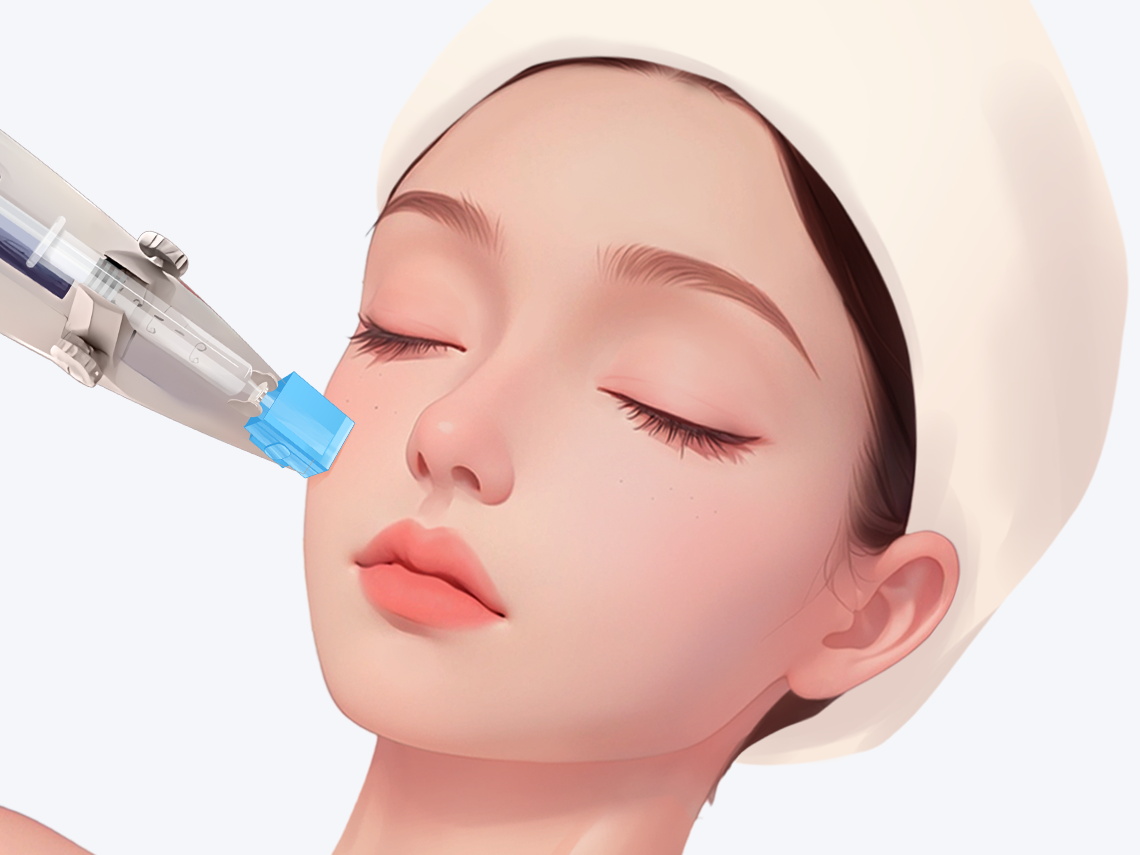
Hyaluronic Acid Injection |
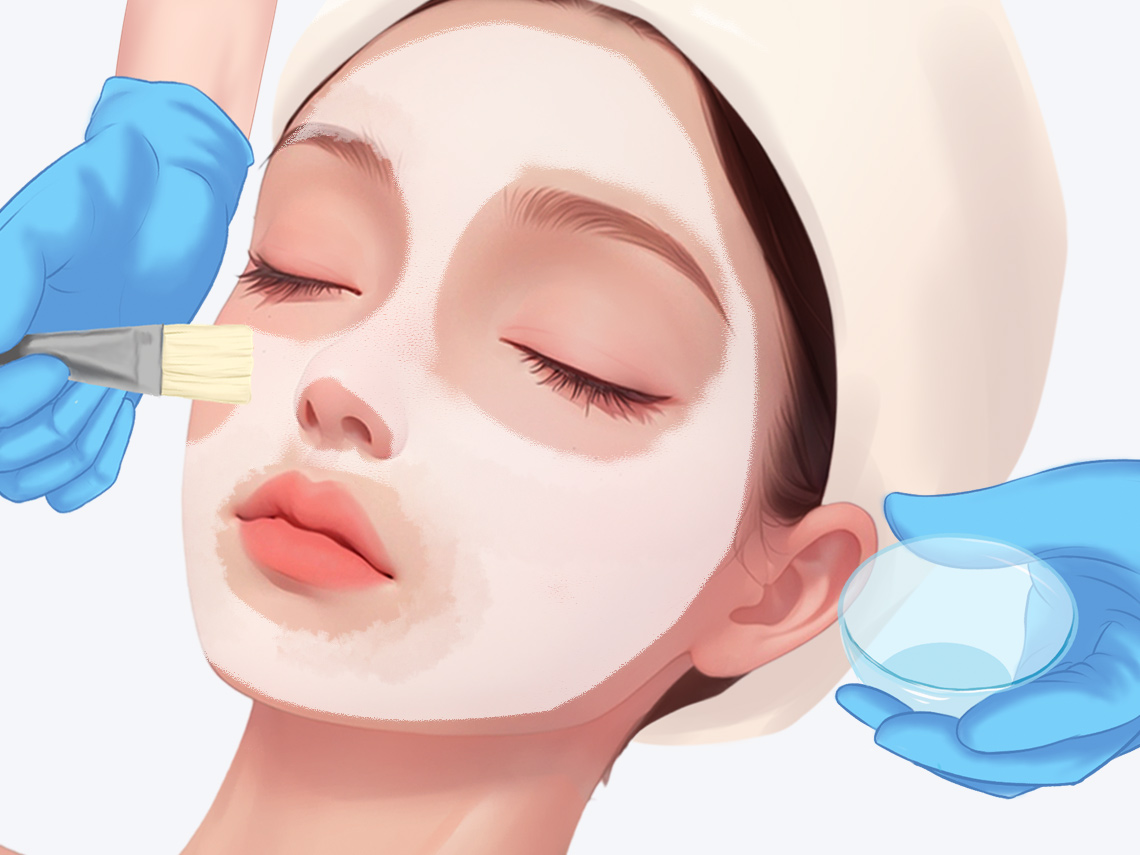
Chemical Peel |
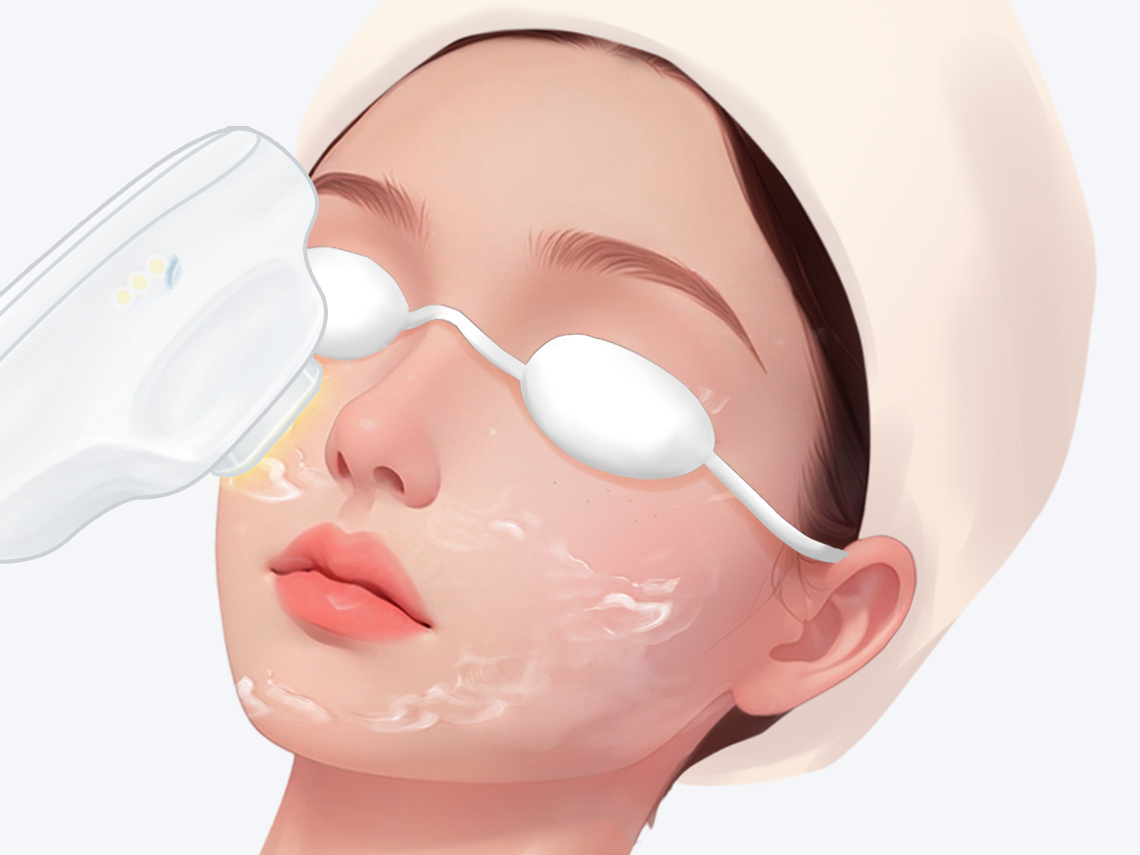
Photorejuvenation (IPL) |
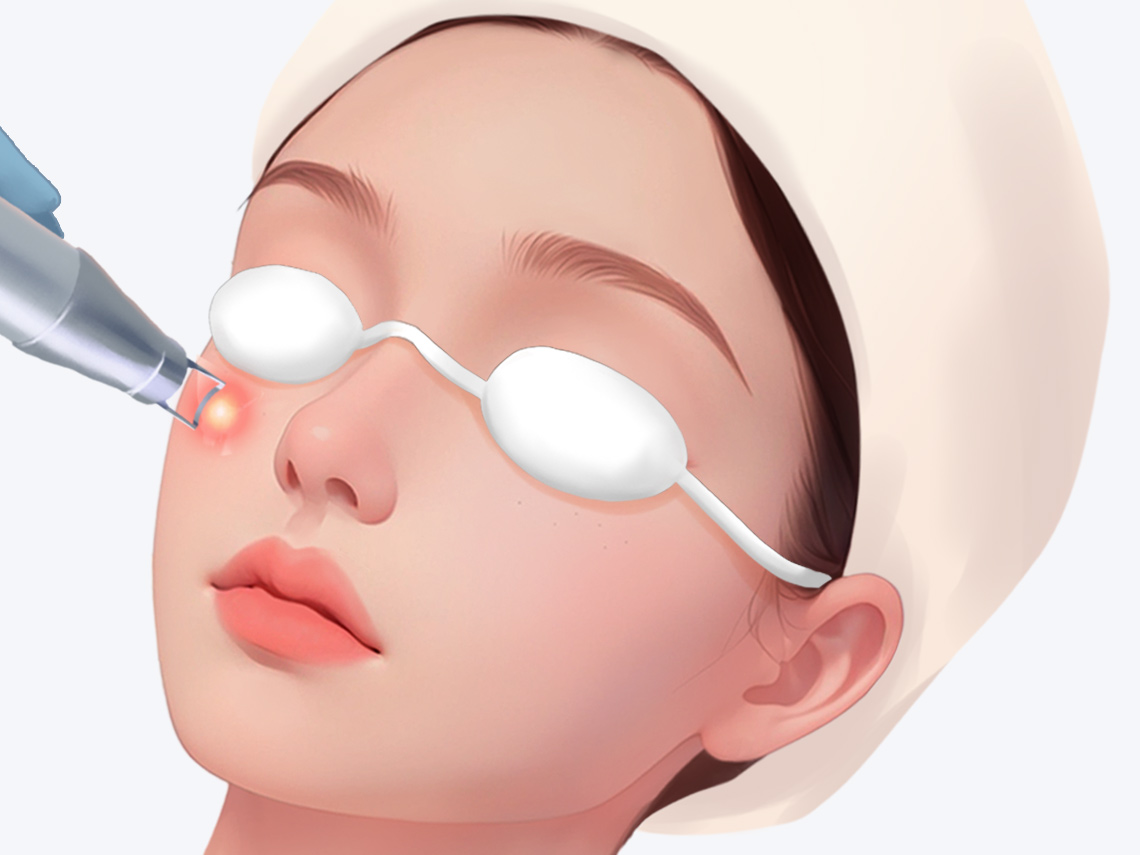
Picosecond Laser |
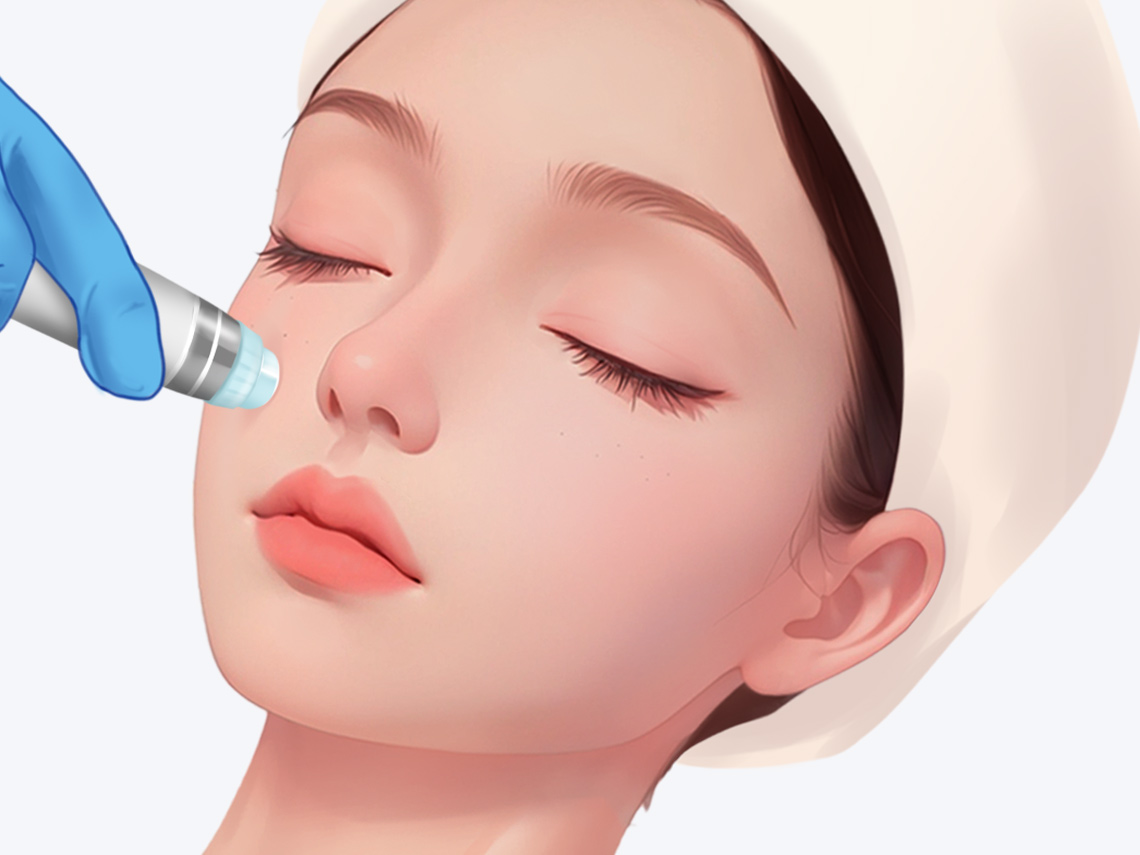
Oxygen Infusion Facial |
Example Image |
|
|
|
|
|
Principle |
Inject active ingredients into the dermis to improve skin condition |
Remove dead skin cells and inhibit melanin formation |
Laser-induced photothermal effect breaks down pigment |
Uses photothermal energy to fade melanin |
Hydrates and oxygenates skin, boosting metabolism |
Reference Price |
2,000–3,000 RMB per session |
200–2,000 RMB per session |
2,000–9,000 RMB per session |
4,000–7,000 RMB per session |
500–800 RMB per session |
Advantages |
1. Minimal trauma |
1. May improve uneven skin tone |
1. Broad application range |
1. Minimal skin damage |
1. Has antibacterial and anti-inflammatory effects |
Potential Risks |
1. May cause mild discomfort or pain |
1. May lead to skin ulcers |
1. May cause heat sensation |
1. Requires high technical skill |
1. Mild heat sensation possible |
Time to See Improvement |
20–30 days |
10–30 days |
7–14 days |
15–30 days |
7–14 days |
Duration of Results |
1–3 months |
1–2 months |
6–12 months |
6–12 months |
1–2 months |
If considering any of the above procedures, it is recommended to