


How long after suture removal can scar treatment medication be used?

In general, the timing for using scar-removal medications after suture removal depends on the type of medication used. Different medications have different recommended application times. Commonly used medications include tranilast capsules, vitamin E cream, recombinant human epidermal growth factor gel, madecassoside ointment, and compound sodium heparin cream. It is recommended to use these medications under the guidance of a physician.
Product Name |
Tranilast Capsules |
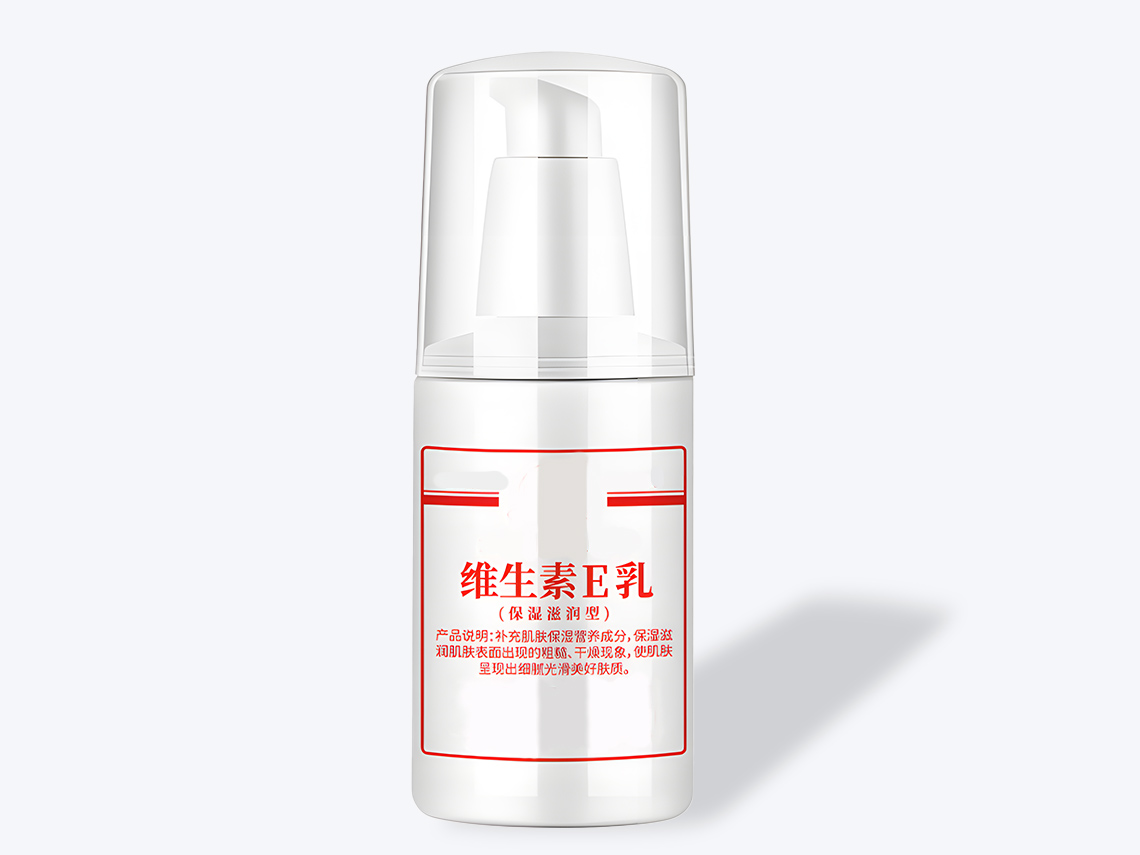
Vitamin E Cream |
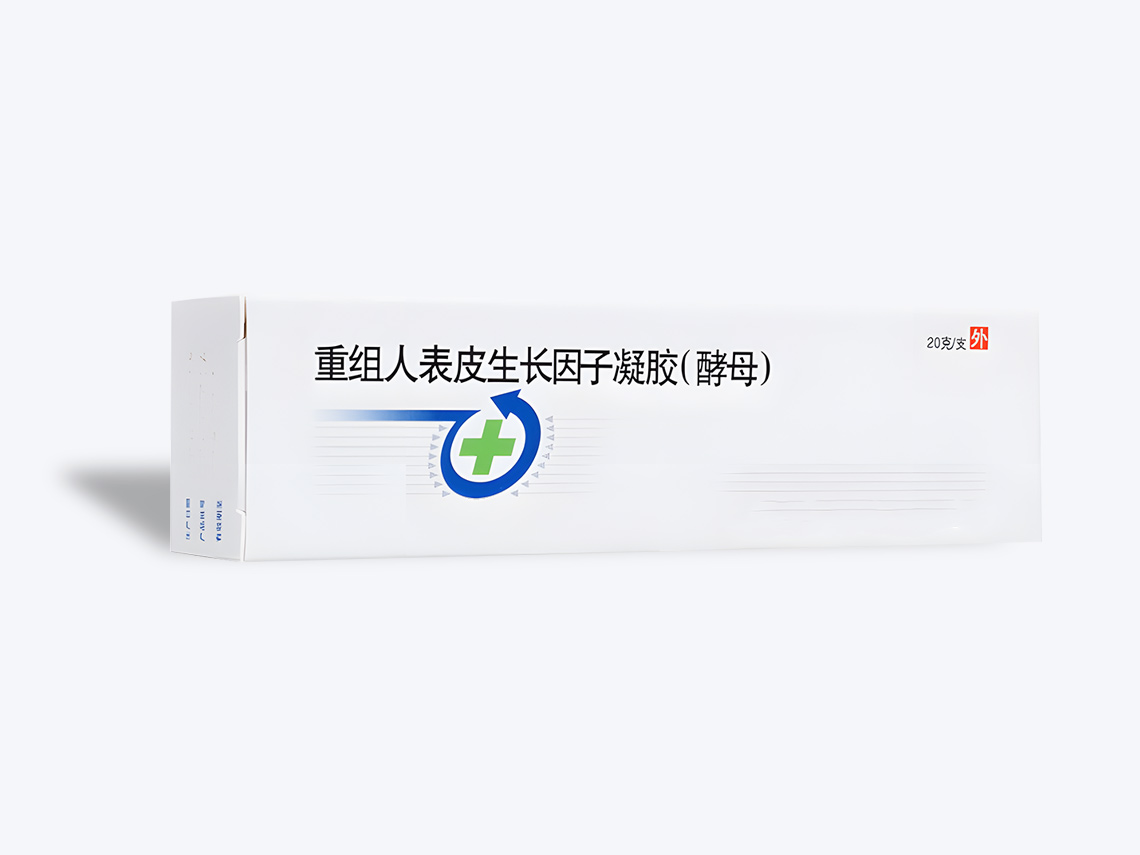
Recombinant Human Epidermal Growth Factor Gel |
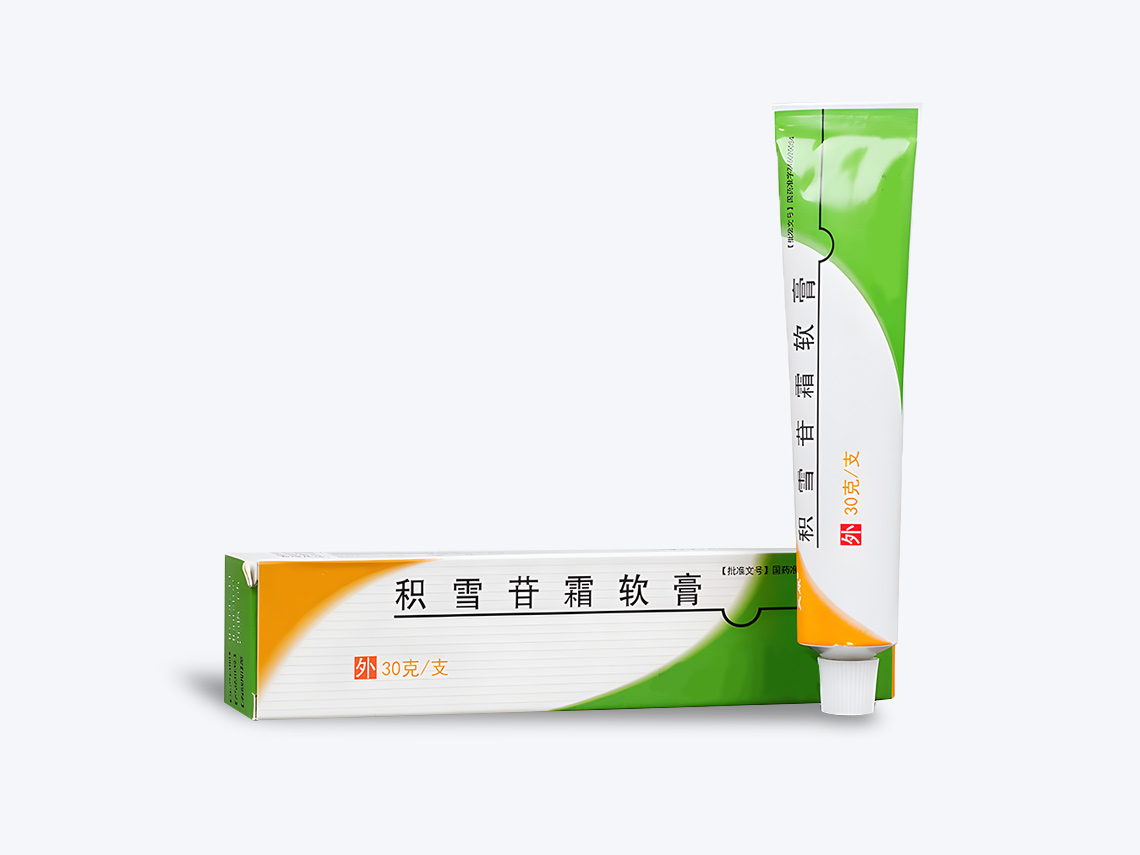
Madecassoside Ointment |
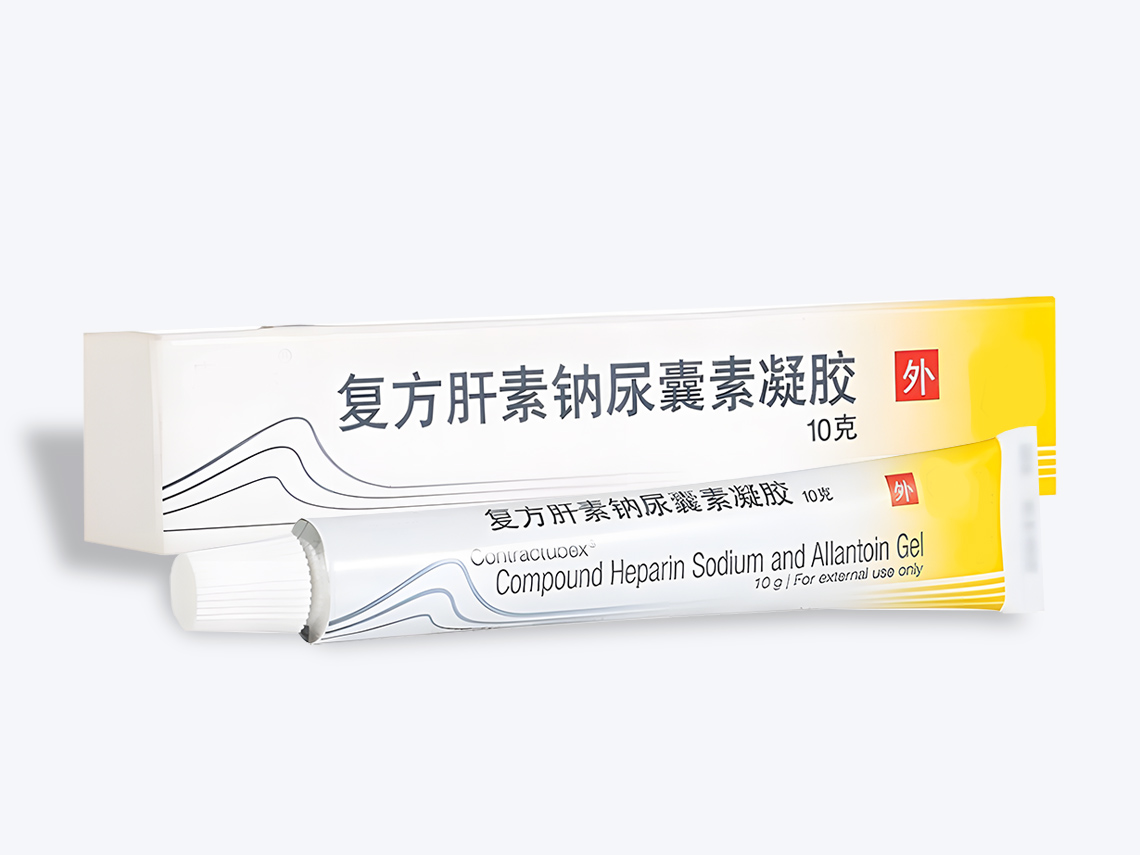
Compound Sodium Heparin Cream |
Product Image |
|
|
|
|
|
Mechanism of Action |
Inhibits histamine release, reducing allergic reactions and inflammation |
Keeps skin moisturized and elastic, helping fade scars |
Promotes skin repair and scar fading |
Promotes wound healing, inhibits collagen fiber overgrowth, and softens scar tissue |
Inhibits fibroblast proliferation and softens scar tissue |
Recommended Start Time |
2–3 days after suture removal |
3–7 days after suture removal |
2–3 days after suture removal |
3–7 days after suture removal |
2–3 days after suture removal |
Specifications |
0.1g |
100ml |
15g |
30g, 20g |
20g |
Indications |
Keloids, hypertrophic scars |
Superficial scars |
Newly formed or superficial scars |
Scars from trauma, surgery, or burns including keloids |
New scars, mild hypertrophic scars |
Reference Price |
20–50 yuan per bottle |
20–40 yuan per bottle |
50–90 yuan per tube |
30–50 yuan per tube |
50–100 yuan per tube |
Advantages |
1. Anti-allergic |
1. Antioxidant |
1. Promotes skin healing |
1. Promotes wound healing |
1. Anti-inflammatory and pain-relieving |
Potential Risks |
1. Risk of liver function abnormalities |
1. Skin allergy |
1. Possible development of drug resistance |
1. High individual variability |
1. Risk of drug dependence |

It is recommended to consult a dermatologist at a hospital for professional advice. Use medications under medical supervision and maintain proper daily skincare routines.


