How to use minoxidil and microneedling together
Sep 21, 2024
Source: Cainiu Health

Dr. Liu Wenmin
Introduction
Combining minoxidil with microneedling is a common approach for treating hair loss. Generally, it is recommended to perform microneedling first, followed by the application of minoxidil, although specific procedures should be discussed with a medical professional. In addition, other treatments such as microneedling therapy, platelet-rich plasma (PRP) therapy, low-level laser therapy, hair follicle cloning, and hair transplantation can also be used to address hair loss.
Combining minoxidil with microneedling is a common approach for treating hair loss. Generally, it is recommended to perform microneedling first, followed by the application of minoxidil, although specific procedures should be determined in consultation with a professional physician. In addition, other treatments for hair loss include microneedling therapy, platelet-rich plasma (PRP) therapy, low-level laser therapy, hair follicle cloning technology, and hair transplantation.
Procedure Name |
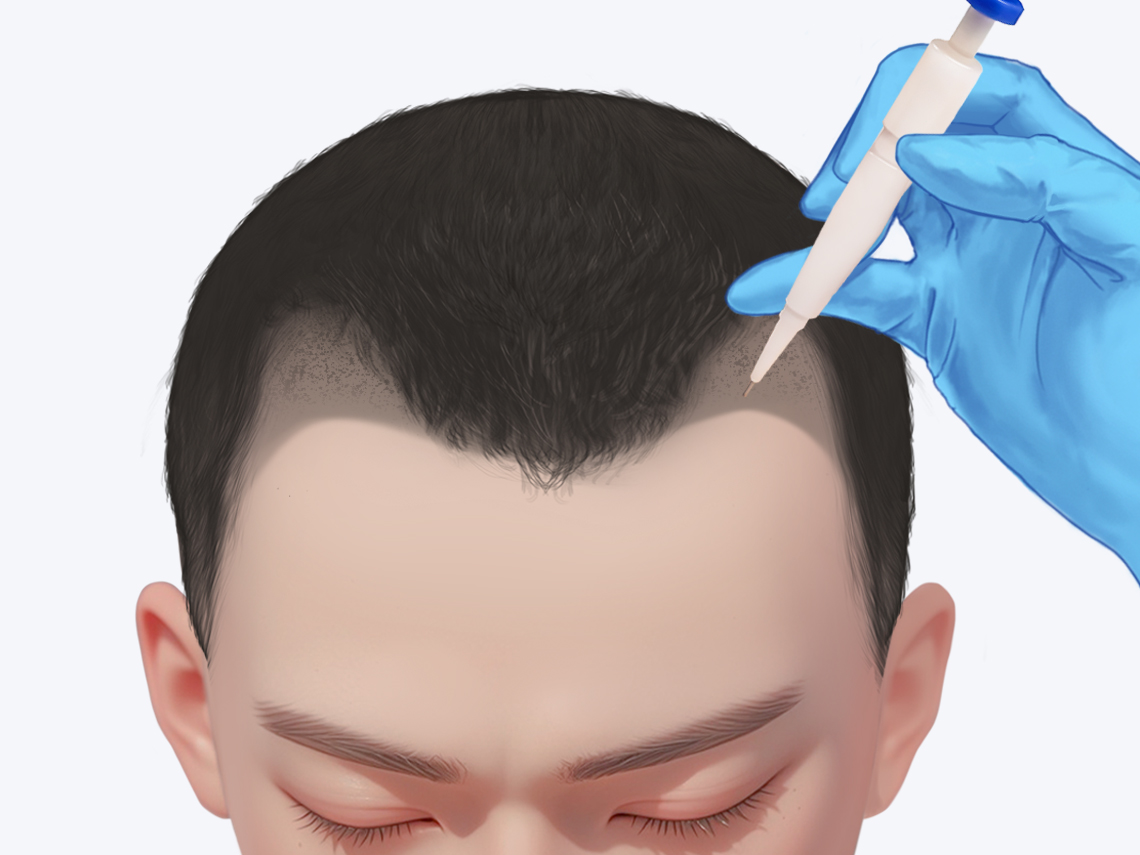
Microneedling Therapy |
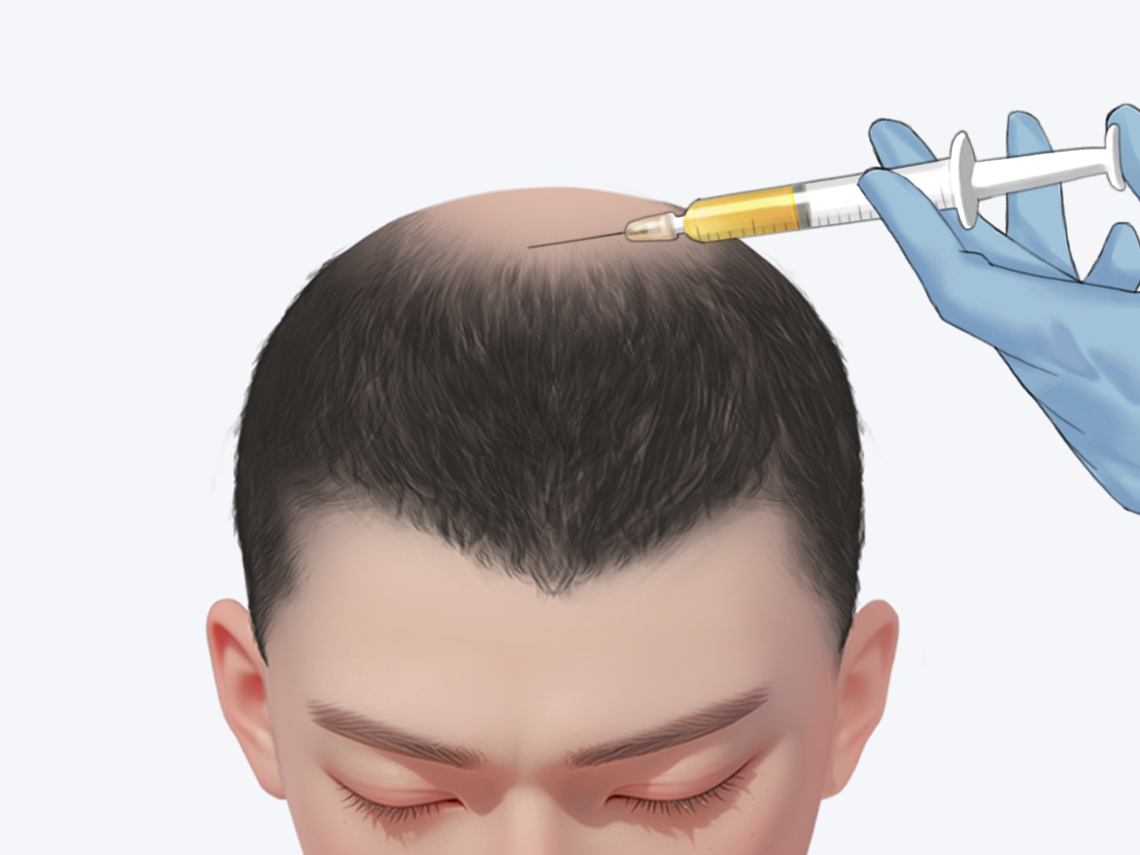
Platelet-Rich Plasma (PRP) Therapy |
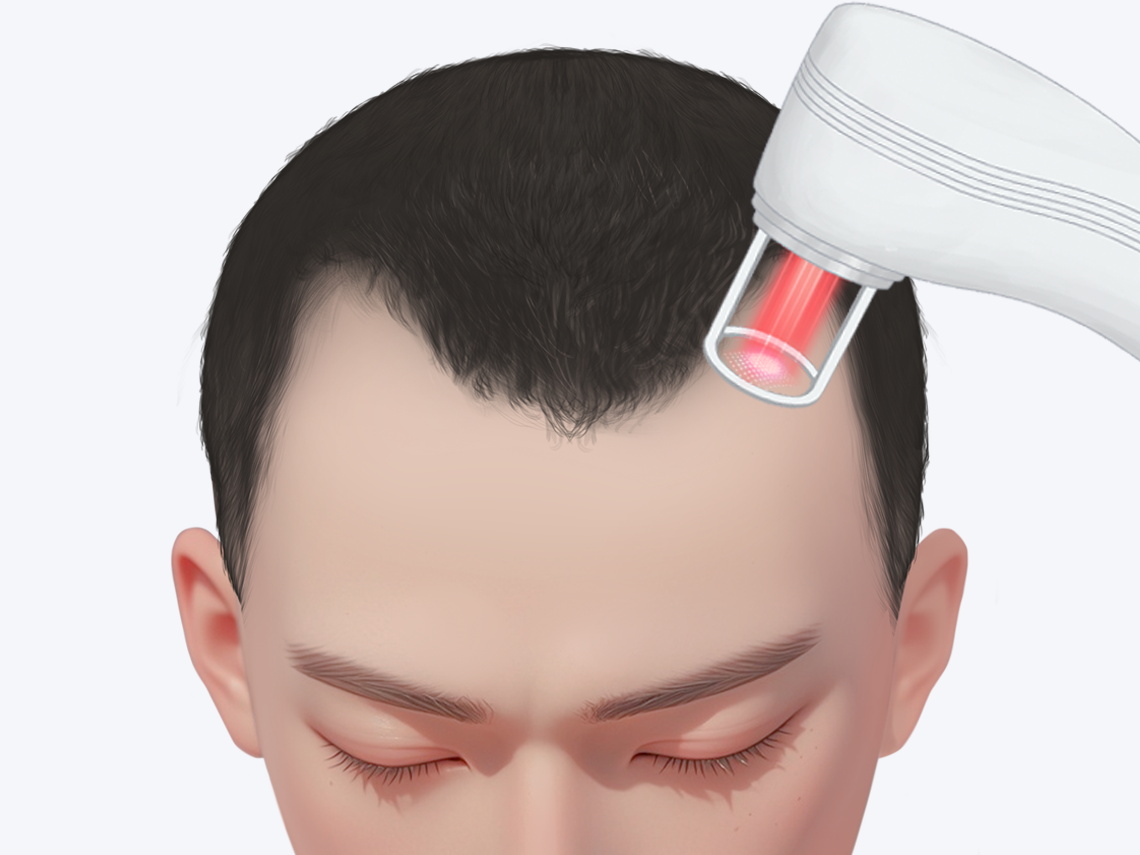
Low-Level Laser Therapy |
Hair Follicle Cloning Technology |
Hair Transplantation |
Example Image |
|
|
|
|
|
Principle |
Inserting specialized micro-needles into the superficial skin layer to activate the skin's self-repair mechanisms |
Using platelets to promote hair follicle regeneration and hair growth |
Irradiating damaged areas with low-energy laser devices to stimulate hair follicle activity |
Using cloning techniques to induce hair follicle cells to proliferate and differentiate outside the body |
Extracting healthy hair follicles from other areas and implanting them into regions with inactive or closed follicles |
Recovery Period |
2–3 months |
3–6 months |
4–6 months |
3–6 months |
3–4 months |
Duration of Effect |
10–20 years |
1–2 years |
2–6 years |
3–5 years |
3–10 years |
Reference Price |
3,000–5,000 RMB per session |
15,000–20,000 RMB per session |
5,000–20,000 RMB per session |
20,000–50,000 RMB per session |
10,000–50,000 RMB per session |
Advantages |
1. Precise treatment |
1. High safety |
1. Safe and non-invasive |
1. High survival rate |
1. Noticeable results |
Potential Risks |
1. Local infection |
1. Local pain |
1. Skin irritation |
1. Bleeding |
1. Infection |
Indications |
Small areas of hair loss |
Androgenetic alopecia, alopecia areata, cicatricial alopecia |
Androgenetic alopecia |
Androgenetic alopecia, non-active phase cicatricial alopecia |
Large-area hair loss |
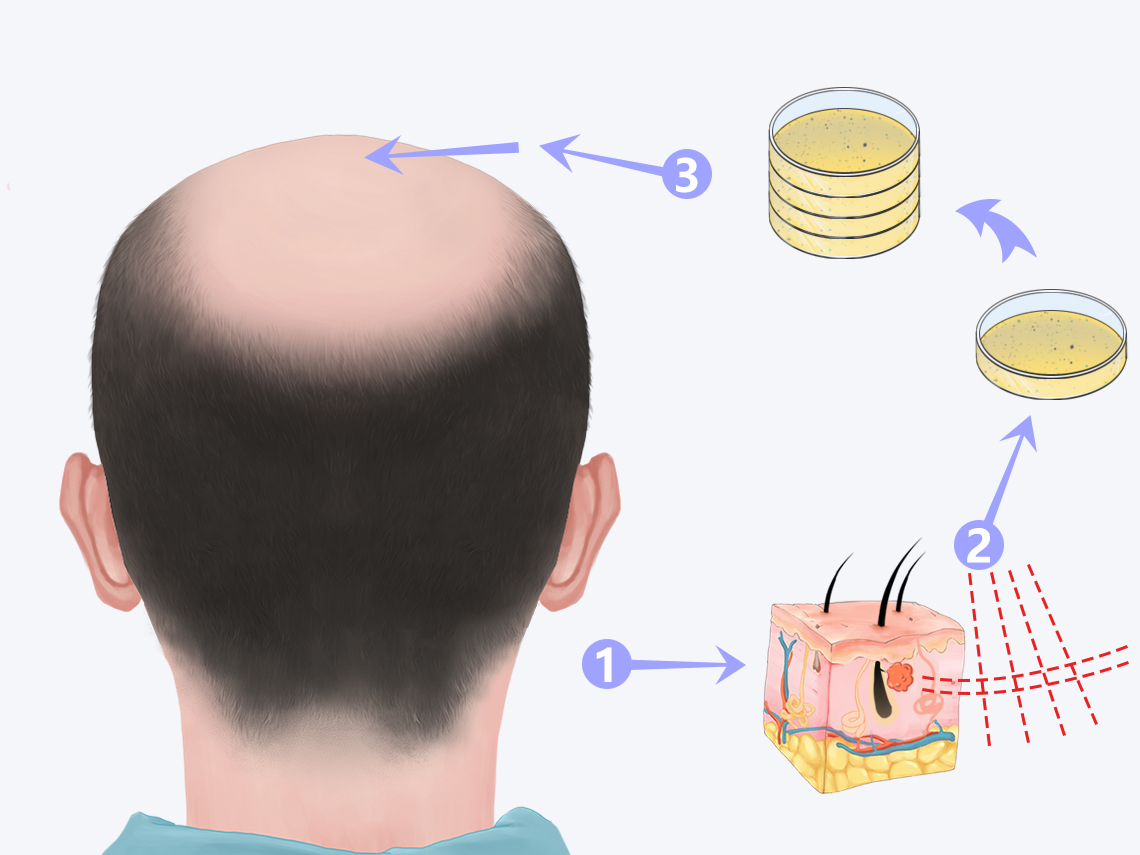
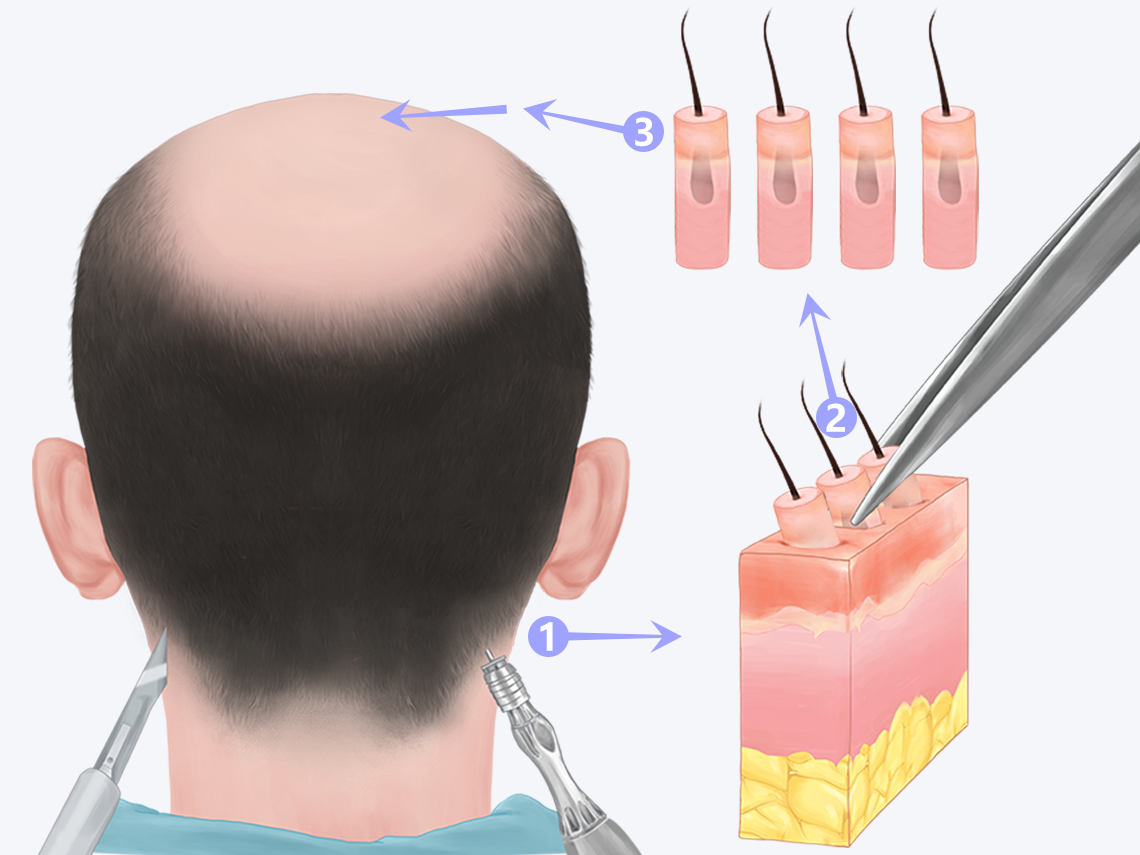
It is recommended to consult a qualified physician and choose a reputable medical institution for treatment. Understand the potential outcomes, risks, and side effects before undergoing any procedure, and follow appropriate post-treatment care as advised by your doctor.