


What is the best method for softening keratin?

In general, there is no definitive answer to the question of "what method is best for softening keratin." Keratin can usually be softened using scrubs, which help remove deep-seated dirt from the skin by physically exfoliating dead skin cells and aged keratin through granular friction. Alternatively, medications such as salicylic acid ointment, tretinoin cream, or adapalene gel may be used under medical guidance to soften the stratum corneum. If these methods are ineffective, aesthetic medical treatments such as chemical peels, hydrafacials (hyaluronic acid injections), or photorejuvenation may be considered.
Analysis of Medical Aesthetic Methods for Softening Keratin:
| Name | Chemical Peel | HydraFacial (Water Light Injection) | Photorejuvenation |
| Image Example | 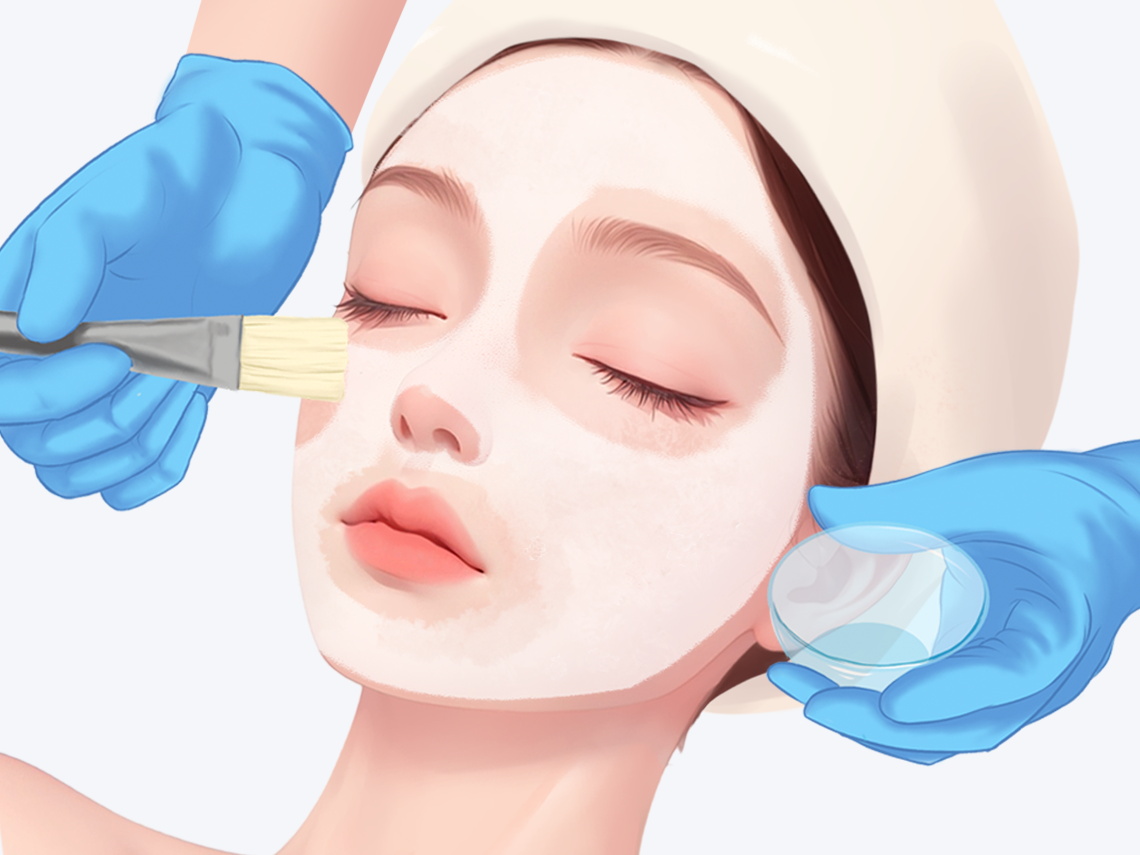 |
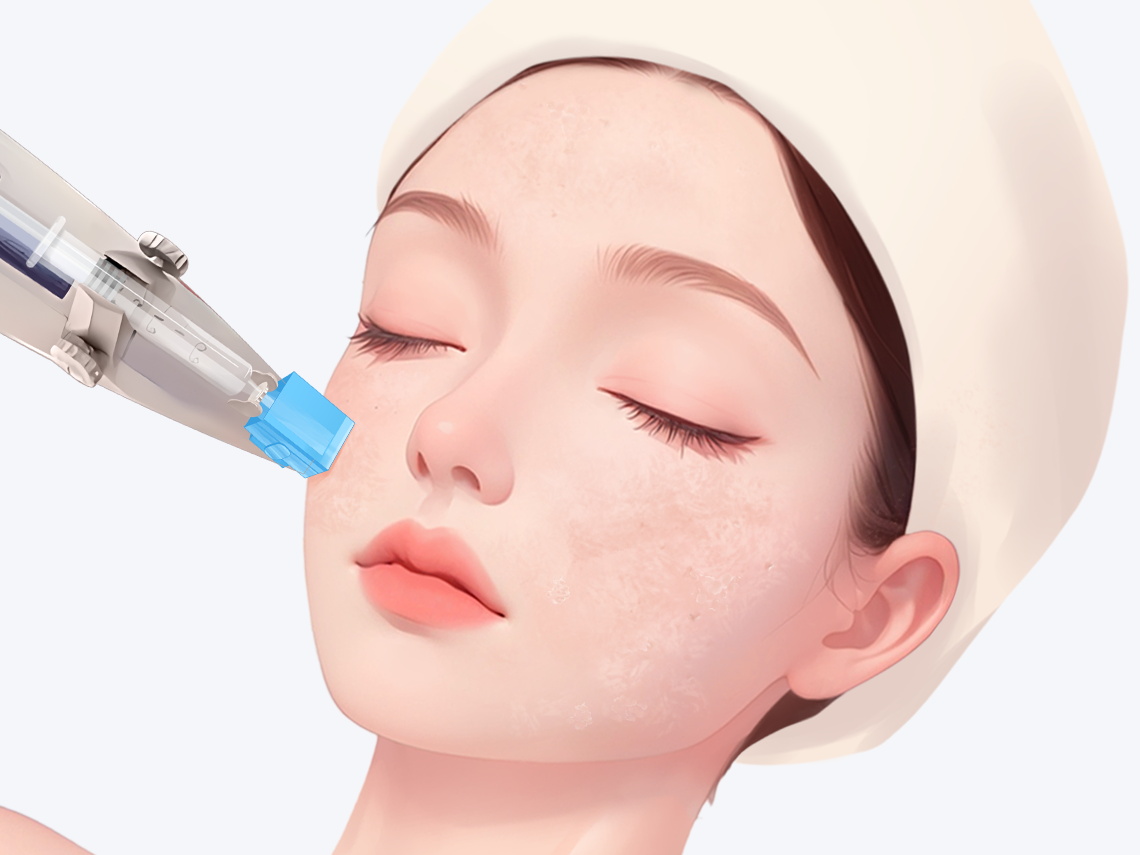 |
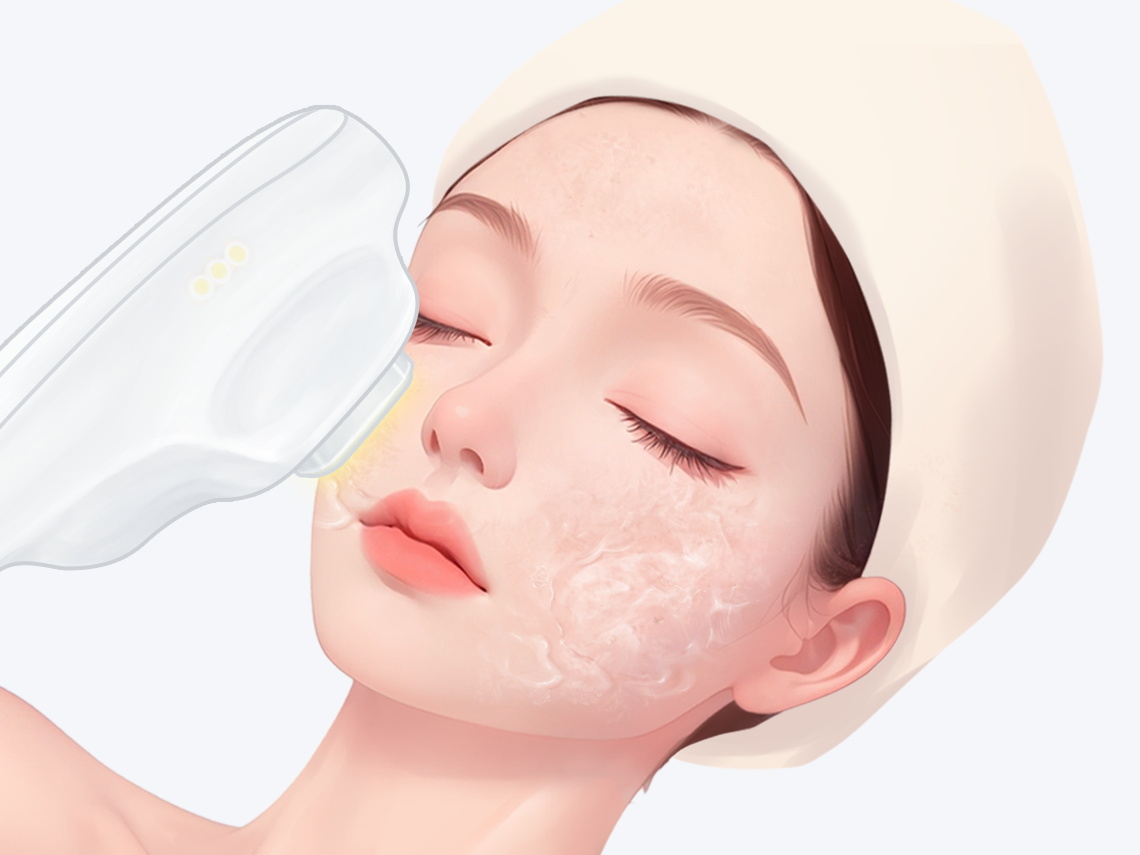 |
| Principle | Applying a peeling agent causes separation of the stratum corneum and coagulation of keratin proteins | Nutrients such as hyaluronic acid or collagen are injected to improve the condition of the stratum corneum | Intense pulsed light energy accelerates skin metabolism and stimulates collagen regeneration, thereby softening the stratum corneum |
| Onset Time | 7–15 days |
7–30 days |
10–14 days |
| Reference Price | 2,000–4,000 RMB per session |
2,000–5,000 RMB per session |
1,000–5,000 RMB per session |
| Duration of Effect | 14–21 days | 1–3 months | 1–2 months |
| Advantages | 1. Painless 2. Minimal skin damage |
1. Improves skin texture 2. Minimal discomfort |
1. Broad applicability 2. Few side effects |
| Potential Risks | 1. Skin redness 2. Allergic reactions |
1. Visible capillaries (telangiectasia) 2. Increased skin sensitivity |
1. Blistering 2. Thinning of the stratum corneum |
In daily life, it is recommended to maintain a light diet, practice proper skincare, and engage in moderate physical exercise to promote overall health. When necessary, individuals should visit reputable medical institutions and undergo procedures under the guidance of qualified healthcare professionals.


