


What are the side effects of chemical exfoliation (acid peeling)?

Generally, acid peeling is a cosmetic skincare method that helps tighten pores and improve skin texture. However, side effects of acid peeling may include dry skin, redness, peeling, hyperpigmentation, and acne. It is recommended to undergo acid peeling under the guidance of a professional doctor to avoid unnecessary skin damage.
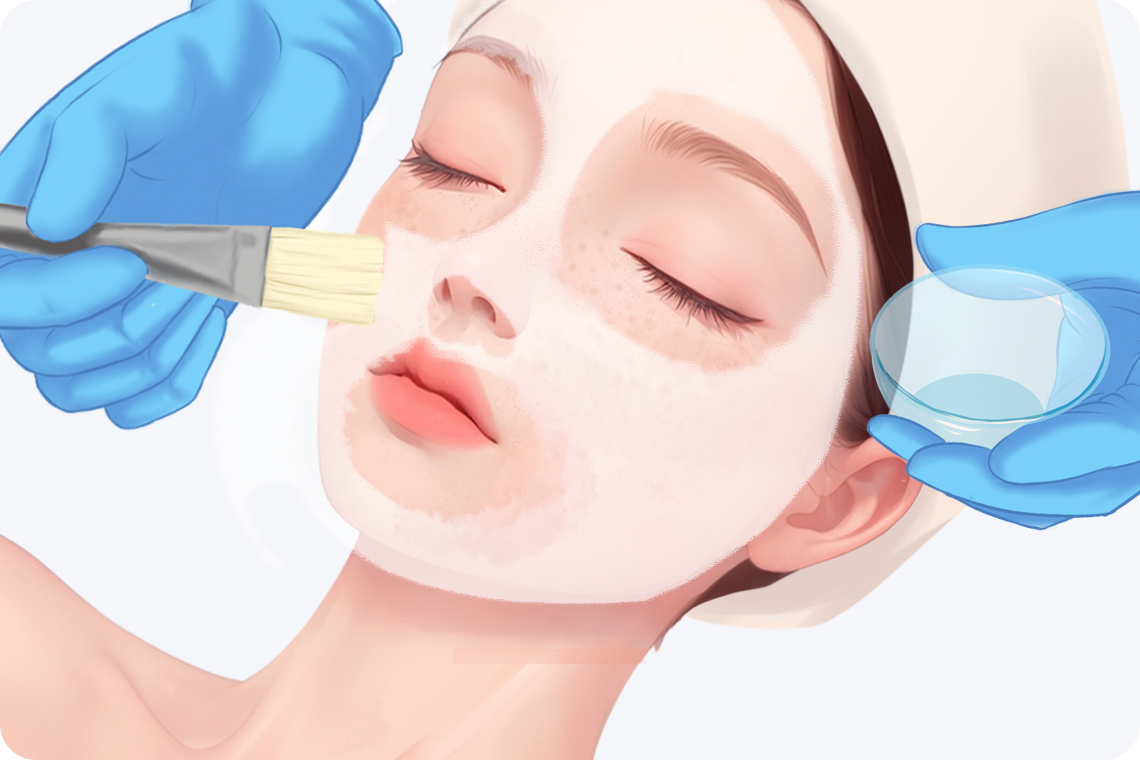
Schematic illustration of acid peeling:
Analysis of Acid Peeling Side Effects:
Side Effect |
Dry Skin |
Redness |
Peeling |
Pigmentation |
Acne |
Image Example |
|
|
|
|
|
Detailed Analysis |
Acidic ingredients can disrupt the skin barrier, causing loss of moisture and resulting in dry skin. |
Skin redness may occur if allergic to acidic components. |
Peeling may result if skin hydration is not promptly replenished after acid peeling. |
Acidic ingredients may stimulate melanocytes to produce more melanin, leading to pigmentation. |
Accumulation of exfoliated keratin may clog pores, causing temporary acne. |
Improvement Methods |
1. Use hydrating face masks and moisturizing creams for care |
1. Local cold compress |
1. Use hydrating face masks and moisturizing creams for care |
1. Apply hydroquinone cream or salicylic acid ointment as directed by a physician |
1. Apply erythromycin ointment, benzoyl peroxide gel, or other medications as prescribed to improve symptoms |





Before undergoing an acid peeling treatment, individuals should first understand their skin type and overall health condition, select suitable products and methods accordingly, and pay attention to proper usage techniques and frequency to avoid overuse or incorrect application, which could lead to unnecessary skin damage.


