


What causes lip scars and how to treat them

Scar refers to scar tissue. In general, lip scars may be caused by不良生活习惯 (unhealthy habits), lip muscle strain, acne, cheilitis, and other factors. They can be improved through methods such as lip balm, medication, gold microneedling, microdermabrasion, liquid nitrogen cryotherapy, and fractional laser treatment. It is recommended to visit a reputable hospital and choose an appropriate treatment method under the guidance of a professional doctor.
Analysis of Causes of Lip Scars:
1. Unhealthy Habits
Habits such as frequently licking or biting the lips can repeatedly expose the lip skin to saliva irritation or mechanical damage. Digestive enzymes in saliva can disrupt the stratum corneum of the lip skin, making it dry and fragile, which may lead to chapping and bleeding. If wounds fail to heal properly and repeatedly reopen, the risk of scar formation increases. Using lip balm can help keep the lips moisturized. For mild existing scars, topical application of vitamin E cream or hydroquinone cream—under medical supervision—can promote skin repair.
2. Lip Muscle Strain
Excessive yawning or external impact may cause strain or injury to the lip muscles. If the injury is severe and involves deeper tissues, scarring is more likely during the healing process. Additionally, frequent movement of the lips hinders stable wound healing, further increasing the likelihood of scarring. Fractional laser treatment can be used to address such scars.
3. Acne
The sebaceous glands around the lips are highly active; when hair follicles become clogged, acne can easily develop. Severe inflammatory acne or self-extraction of pimples can damage the normal skin structure, leading to scar formation during the healing process. Cystic acne, in particular, is more likely to leave noticeable scars. Topical medications such as tretinoin cream or madecassoside ointment may be used as directed by a physician.
4. Cheilitis
Cheilitis is an inflammatory condition of the lips that may be triggered by allergies, infections, dry climate, and other factors. It causes redness, itching, dryness, cracking, and oozing of the lips. If left untreated for a long time, lip tissue can be damaged, resulting in scarring. Under medical guidance, topical treatments such as mucopolysaccharide polysulfate cream or compound heparin sodium allantoin gel may be tried first to promote scar repair. If these are ineffective, treatments such as liquid nitrogen cryotherapy or fractional laser therapy may be considered.
Analysis of Treatments for Improving Lip Scars:
Procedure Name |
Gold Microneedling |
Microdermabrasion |
Liquid Nitrogen Cryotherapy |
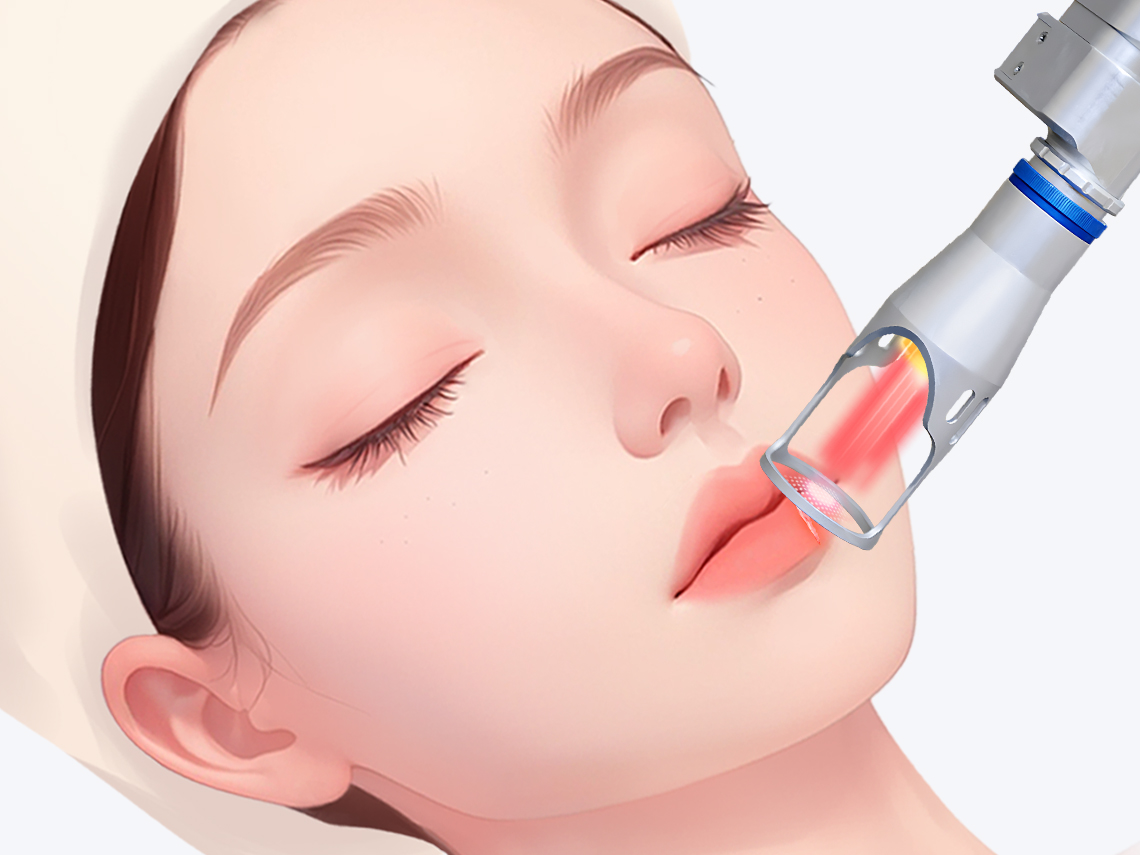
Fractional Laser |
Image Example |
|
|
|
|
Principle |
Uses fine needles to penetrate the dermis, promoting skin repair |
Applies the principle of epithelial regeneration, using high-speed microcrystals to exfoliate the deep epidermis |
Uses liquid nitrogen to freeze and destroy diseased tissue |
Optical stimulation promotes collagen regeneration and cellular reorganization in the dermis |
Reference Price |
3,000–9,000 RMB per session |
1,500–3,000 RMB per session |
500–1,000 RMB per session |
2,000–8,000 RMB per session |
Advantages |
1. Promotes blood circulation |
1. Minimal trauma |
1. Comfortable procedure |
1. High precision |
Potential Risks |
1. Redness and heat sensation |
1. Subcutaneous bleeding |
1. Skin edema |
1. Hyperpigmentation |
Improvement Time |
20–30 days |
20–30 days |
10–15 days |
7–15 days |
Duration of Results |
6–12 months |
12–24 months |
6–12 months |
12–24 months |


After treatment, it is recommended to maintain adequate sleep and avoid staying up late. Also, follow a light diet and avoid spicy or irritating foods such as pepper, chili, and onions, which may impair postoperative recovery.


