What is the correct method for using traditional Chinese medicine to wash the face and remove acne?
Oct 10, 2024
Source: Cainiu Health

Dr. Zhang Xiuhong
Introduction
In general, using traditional Chinese herbal medicine to wash the face for acne treatment is a conventional skincare method. The correct approach involves several aspects, including selecting appropriate herbs, proper decoction methods, and correct usage. In addition, medical aesthetic treatments such as chemical peels with fruit acids, microneedling for acne, red and blue light therapy, photorejuvenation, and fractional laser therapy can also be used to improve acne. When choosing an acne treatment method, it is recommended to consult a doctor.
In general, using traditional Chinese herbal medicine for facial cleansing to treat acne is a time-honored skincare method. The correct approach involves multiple aspects, including selecting appropriate herbs and following proper decoction and application techniques.
To use Chinese herbal medicine effectively for acne treatment, first identify the type and cause of your acne, then select suitable herbs. For example, a mixture of Bai Xian Pi (Dictamni Cortex), Jing Jie (Schizonepeta), Hong Hua (Carthamus), Jiang Can (Bombyx Batryticatus), and Gan Cao (Glycyrrhiza) can be boiled and used as a facial wash. Alternatively,桑白皮 (Morus Alba Root Bark), 生大黄 (Raw Rhubarb), and 连翘 (Forsythia) can also be decocted and applied to the face. Proper decoction is essential: prepare the herbs in the correct proportions, ensuring they are clean and free of impurities. Place them in a clay pot with an appropriate amount of water, control the heat to prevent burning, and strain the liquid after boiling. Allow the solution to cool to a comfortable temperature before use to avoid skin irritation. Before application, cleanse the face thoroughly to remove dirt and excess oil. Then evenly apply the herbal liquid and let it remain on the skin for 15–20 minutes before rinsing off. Use moderately, avoid spicy and greasy foods during treatment, and refrain from staying up late or overexerting yourself.
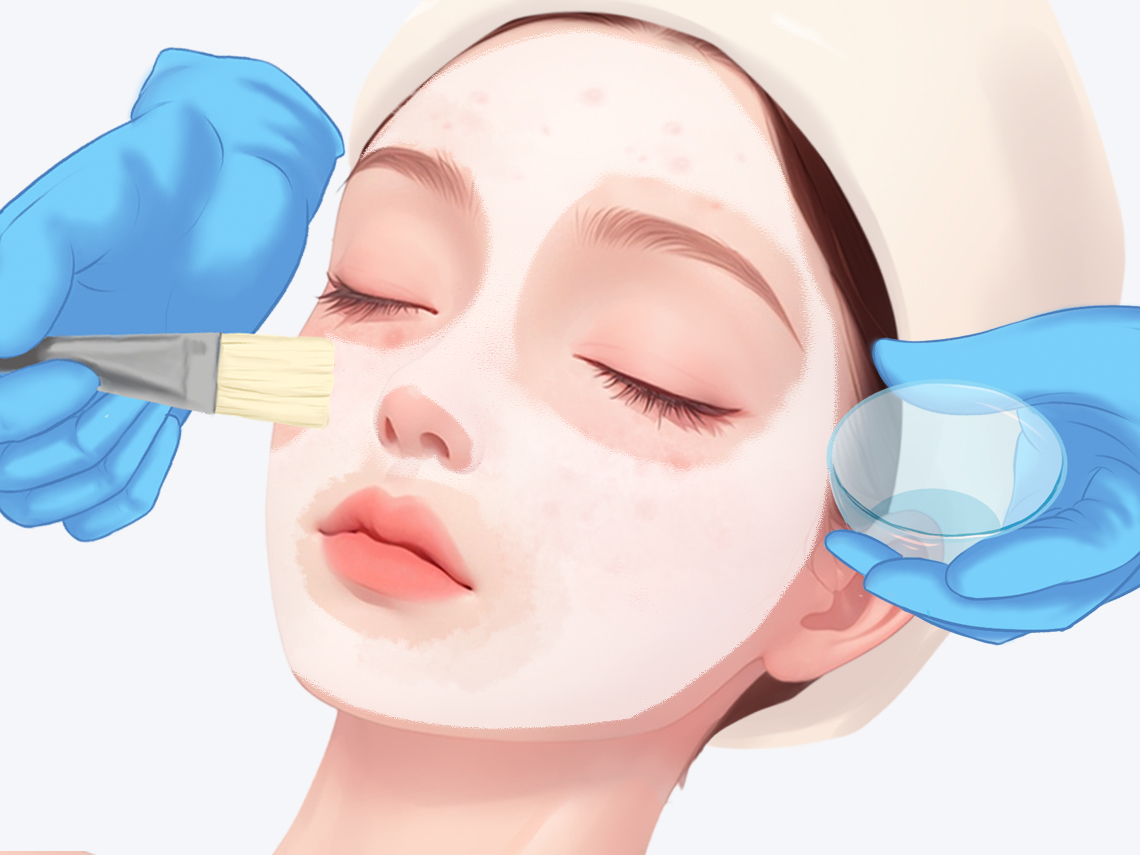
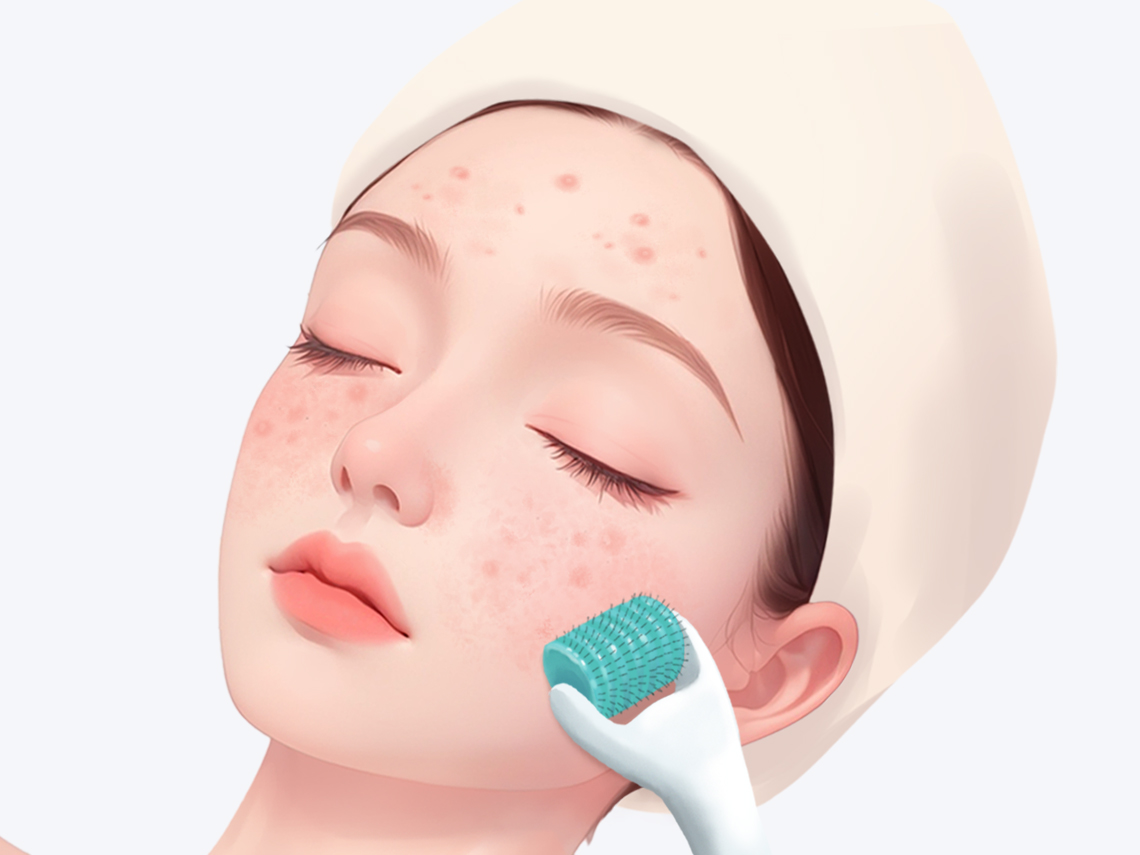
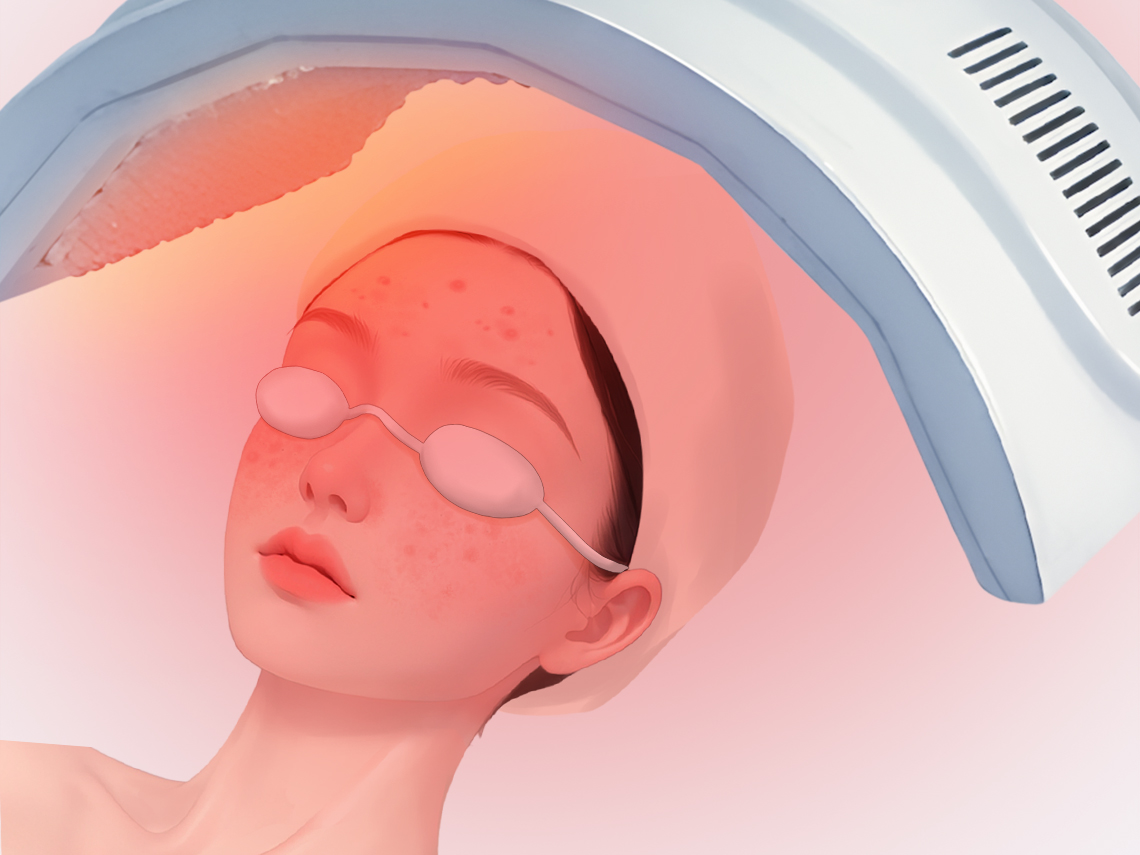
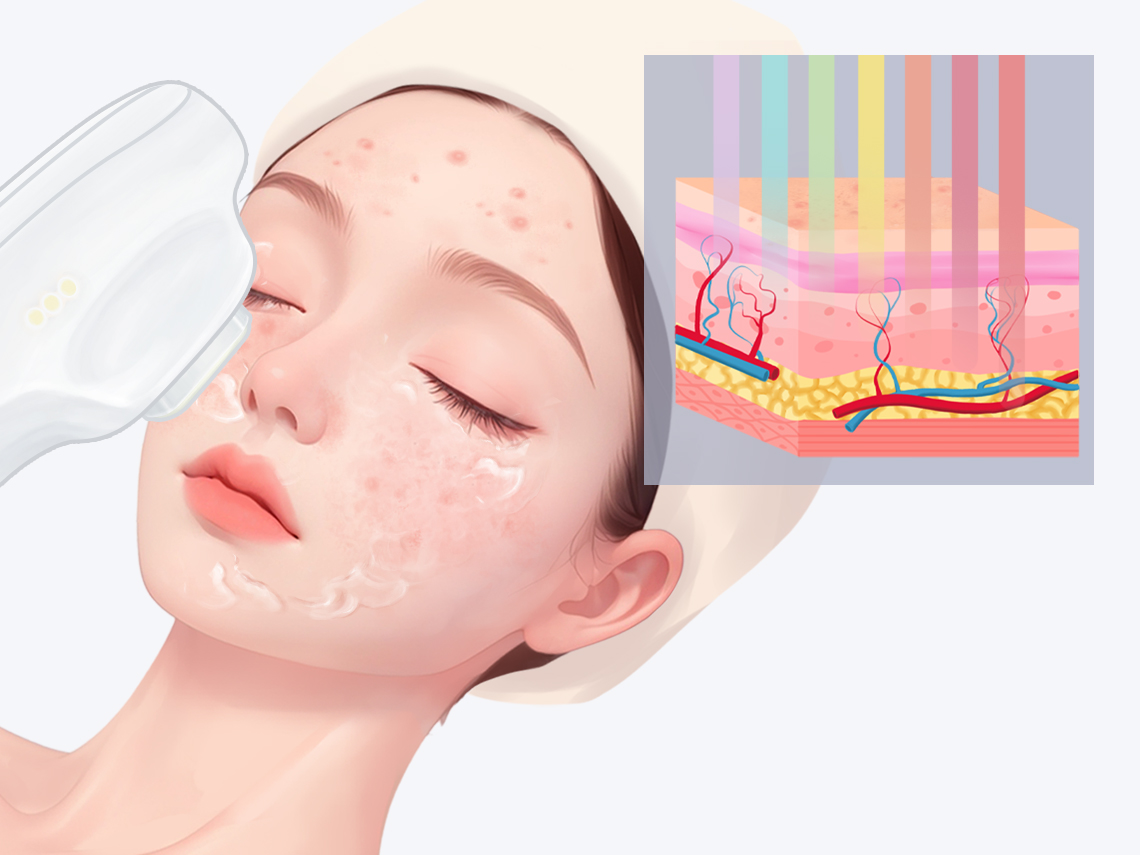
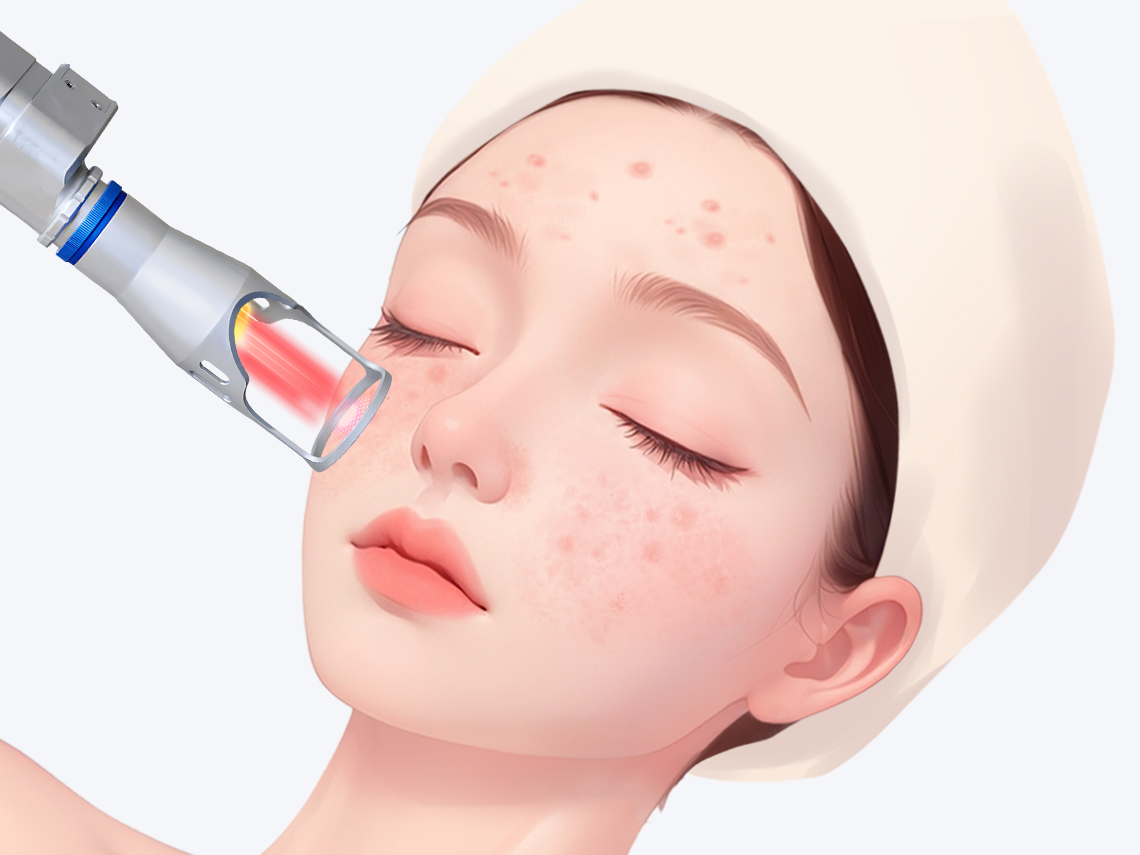
In addition to herbal treatments, medical aesthetic methods such as chemical peels (using alpha hydroxy acids), microneedling for acne, red and blue light therapy, photorejuvenation (IPL), and fractional laser therapy can also be used to improve acne conditions.
Acne Treatment Modalities Analysis:
Procedure Name |
Chemical Peel (AHA) |
Microneedling for Acne |
Red & Blue Light Therapy |
Photorejuvenation (IPL) |
Fractional Laser |
Image Example |
|
|
|
|
|
Overview |
Promotes skin exfoliation and improves acne |
Uses fine needles to stimulate the skin, enhances nutrient delivery, and promotes collagen regeneration |
Inhibits bacteria and reduces acne-related inflammation |
Improves skin texture and reduces acne scars |
Precisely targets acne and minimizes recurrence |
Advantages |
1. Improves skin texture |
1. Minimal invasion |
1. Anti-inflammatory and antibacterial |
1. High safety profile |
1. Simple procedure |
Duration of Effect |
3–6 months |
2–3 months |
2–3 months |
3–6 months |
6–12 months |
Potential Risks |
1. Skin burns |
1. Risk of infection |
1. Dry skin |
1. Allergic reactions |
1. Skin burns |
Reference Price |
3,000–5,000 RMB per session |
1,000–2,000 RMB per session |
500–3,000 RMB per session |
500–4,000 RMB per session |
1,000–5,000 RMB per session |
When choosing an acne treatment method, it is recommended to consult a qualified physician or medical institution. Additionally, maintaining proper skincare, dietary adjustments, and ensuring adequate sleep can help alleviate symptoms.