


Which blood types are incompatible for having children?

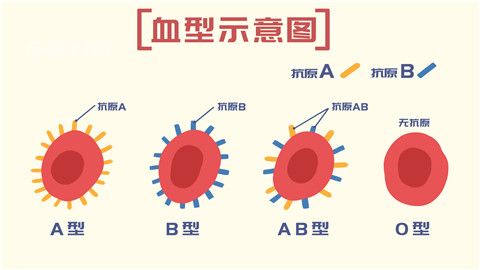
Blood type is inherited from one’s parents and remains unchanged throughout life. It refers to the antigen types present on the surface of blood components—including red blood cells, white blood cells, and platelets. The most widely recognized blood group systems are the ABO system (comprising A, B, AB, and O blood types) and the Rh system. So, which blood types are incompatible for conceiving children? Below, we address this question.
Which Blood Types Are Incompatible for Conception?
In general, individuals of any blood type can marry and have children together. However, if the mother has type O blood and the father has type A, B, or AB blood, hemolytic disease of the newborn (HDN) due to ABO incompatibility may occur. When the mother is type O, her naturally occurring anti-A and/or anti-B antibodies can cross the placenta into the fetal circulation. Consequently, the newborn may develop hemolytic jaundice within 24 hours after birth. Therefore, prenatal antibody screening and blood typing are recommended for type O mothers, followed by appropriate clinical management. Additionally, if the mother is Rh-negative and has previously received blood transfusions or undergone abortions, she may have developed anti-Rh antibodies. If the fetus is Rh-positive, Rh incompatibility may lead to hemolytic disease of the newborn. Hence, appropriate prenatal testing is strongly advised.

Knowledge Expansion: Key Considerations for Rh-Negative Women During Pregnancy
1. Antibody Screening
For women with prior history of miscarriage or childbirth, antibody screening should begin at week 16 of gestation, followed by monthly testing thereafter. A follow-up antibody test is recommended approximately six months postpartum. If no anti-D antibodies are detected during this period, an anti-D immunoglobulin injection should be administered between weeks 26–28 of pregnancy, and another dose given within 72 hours after delivery.

2. Prenatal Immunohematologic Testing
For Rh-negative women experiencing their first pregnancy, immunohematologic prenatal testing should commence at five months’ gestation. Additional antibody tests are recommended at seven and nine months’ gestation, with a final antibody recheck approximately six months postpartum. Anti-D antibodies rarely develop during the first pregnancy; however, administering anti-D immunoglobulin within 72 hours postpartum is advisable. For optimal safety and efficacy, anti-D immunoglobulin should be administered at weeks 26–28 of pregnancy and again postpartum.
The above outlines blood type incompatibilities relevant to conception. We hope this information is helpful to you.


