


What are the functions and benefits of Poria (Fu Ling)?

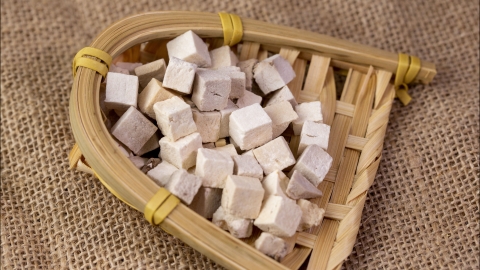
As a traditional Chinese medicinal herb, Poria (Fu Ling) typically has various functions and benefits, including immune regulation, beautifying the skin, strengthening the spleen and calming the mind, soothing the heart and calming the nerves, promoting diuresis and reducing edema. A detailed analysis is as follows:
1. Immune Regulation
Poria can enhance the body's immunity and help prevent colds and improve physical resistance. By regulating the immune system and increasing the activity of white blood cells, Poria strengthens the body's resistance to external pathogens, thus reducing the incidence of diseases.
2. Skin Beautification
Poria contains abundant polysaccharides that have antioxidant properties. These components can remove free radicals in the body, slow down the process of cellular aging, and thus achieve the effect of beautifying the skin. Long-term use of Poria can make the skin smoother and finer, and delay aging.
3. Strengthening the Spleen and Calming the Mind
Poria has the function of strengthening the spleen and harmonizing the stomach. It aids digestion and improves symptoms such as poor appetite and indigestion caused by spleen and stomach weakness. At the same time, Poria also has a calming effect, which can relieve symptoms such as palpitations and insomnia, regulate the nervous system, stabilize emotions, and improve sleep quality.
4. Soothing the Heart and Calming the Nerves
Poria contains certain nutrients that help relieve mental stress. It can alleviate mental issues caused by heavy work pressure or other factors. It is commonly used to treat symptoms such as insomnia, forgetfulness, palpitations, and mental restlessness, and can help improve sleep disorders and promote faster sleep onset.
5. Promoting Diuresis and Reducing Edema
Poria has good therapeutic effects for bodily edema and urinary difficulties. Its medicinal property is mild, and while increasing urine output, it does not harm the spleen and stomach. It is suitable for treating various types of edema, including cold-dampness, damp-heat, and internal heat syndromes. Poria is often used to treat symptoms such as lower limb edema caused by kidney disease, ascites caused by liver dysfunction, and generalized edema.
However, there are certain contraindications for Poria. For example, individuals with kidney deficiency and frequent urination should avoid taking Poria, as it may worsen their condition.


