


Is it safe to eat a white radish with a blue center?

Generally, it is not recommended to eat white radish with a blue center, as it may pose a risk to health. Detailed analysis is as follows:
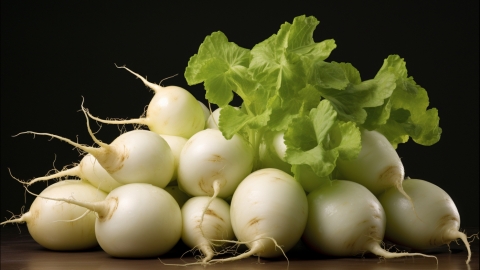
A blue center in white radish may result from multiple factors, including cross-pollination, reactions between anthocyanins and alkaline substances, and poor storage conditions or environment. These factors can lead to chemical reactions within the radish, producing blue substances. These substances might have adverse effects on human health, as they could contain harmful chemicals or microorganisms. Meanwhile, when the center of a white radish turns blue, its taste and nutritional value are significantly affected. The radish often becomes soft and loses its crisp texture, while its nutritional value greatly decreases. A blue radish may also emit an unpleasant odor, indicating spoilage.
In addition, consuming white radish with a blue center may cause food safety issues. Since the blue discoloration may be caused by bacterial or other microbial contamination, eating such radishes may increase the risk of food poisoning. Food poisoning can cause physical discomfort and potentially endanger life.
When purchasing and consuming white radish, we should pay attention to selecting fresh radishes that are undamaged and free of unpleasant odors to ensure their quality and safety.


