


What should I do if my stomach is growling and I have diarrhea?
Nov 23, 2024
Source: Cainiu Health

Dr. Shen Yonghua
Introduction
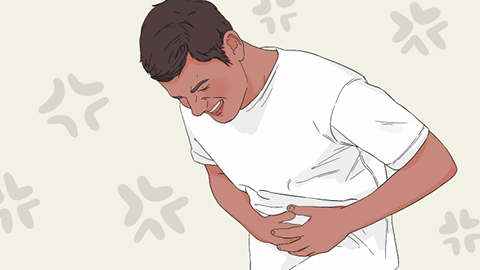
Under normal circumstances, "肚子" refers to the abdomen, "咕咕叫" refers to bowel sounds, and "拉稀" refers to diarrhea. The presence of bowel sounds in the abdomen along with diarrhea may be caused by factors such as abdominal coldness, emotional stress, constipation, acute gastroenteritis, or intestinal spasms. It is recommended to seek timely medical attention, identify the underlying cause, and undergo symptomatic treatment under the guidance of a qualified physician.
Generally speaking, the word "belly" refers to the abdomen, "gurgling" refers to bowel sounds, and "diarrhea" refers to loose stools. If bowel sounds occur in the abdomen accompanied by diarrhea, it might be caused by abdominal coldness, emotional tension, constipation, acute gastroenteritis, intestinal spasm, or other reasons. It is recommended to seek timely medical advice, identify the cause, and receive symptomatic treatment under the guidance of a qualified physician. Detailed analysis is as follows:
1. Abdominal Coldness
Frequent consumption of cold foods or prolonged exposure to cold environments may cause abdominal coldness, resulting in bowel sounds and stimulating the duodenum or colon, leading to diarrhea. It is recommended to keep the abdomen warm, avoid raw, cold, and cooling foods, ensure local blood circulation, and improve the intestinal environment.
2. Emotional Tension
Various physiological and pathological factors may cause emotional tension, which can affect the autonomic nervous system and subsequently impact gastrointestinal function, increasing gastrointestinal motility and producing bowel sounds. Additionally, emotional tension may reduce the intestine's ability to absorb water, increasing stool water content and causing diarrhea. It is recommended to learn relaxation techniques such as deep breathing and meditation to help alleviate tension. If necessary, seek assistance from a psychological counselor.
3. Constipation
Long-term irregular eating habits, overeating, and other unhealthy lifestyle habits may lead to constipation. When food remains in the intestines for an extended period, it can produce a large amount of gas, causing abdominal bowel sounds and diarrhea. It is recommended to consume a certain amount of fruits and vegetables daily, such as apples, bananas, and peaches. At the same time, maintain a cheerful mood and engage in appropriate physical activity.
4. Acute Gastroenteritis
Acute gastroenteritis is an acute inflammation that occurs after the gastrointestinal tract is infected by bacteria or viruses. Inflammation irritates the gastrointestinal mucosa, increases gastrointestinal motility, and causes symptoms such as abdominal bowel sounds and diarrhea. It is often accompanied by nausea and electrolyte imbalance. Patients may follow medical advice to take medications such as Cefixime Dispersible Tablets, Ribavirin Tablets, Metronidazole Tablets, etc.
5. Intestinal Spasm
Intestinal spasm is a condition caused by paroxysmal, intense contractions of the intestinal smooth muscle, often related to intestinal gas accumulation, diet, and other factors. Bowel sounds and diarrhea occur due to intense smooth muscle contractions, often accompanied by paroxysmal abdominal pain, cold sweats, pallor, and other symptoms. It is recommended to seek timely medical attention and, under a doctor's guidance, take medications such as Belladonna Tablets, Simethicone Tablets, or Ibuprofen Sustained-Release Capsules to relieve pain.
In daily life, it is recommended to maintain a regular routine, avoid excessive mental stress, and eat more light and easily digestible foods.


