Functions, Indications, and Side Effects of Dendrobium candidum (Iron皮 Stone斛)
Nov 26, 2024
Source: Cainiu Health

Dr. Zhang Xiuhong
Introduction
Under normal circumstances, Dendrobium (Tiepi Shihu) has functions including strengthening the spleen and benefiting the stomach, nourishing yin and promoting body fluid production, soothing the liver and facilitating bile flow, replenishing kidney yin, and delaying aging. Its main therapeutic effects include nourishing the stomach and generating body fluids, clearing heat through nourishing yin, enriching kidney essence, improving vision and protecting the eyes, and lowering blood glucose levels. Side effects may include gastrointestinal discomfort, allergic reactions, drug interactions, seizures, and liver damage. A detailed analysis is as follows:
Generally, Dendrobium (Iron皮 Stone斛) has functions of strengthening the spleen and stomach, nourishing Yin and promoting body fluids, soothing the liver and benefiting the gallbladder, nourishing the kidneys and Yin, and delaying aging. Its main therapeutic uses include nourishing the stomach and promoting body fluids, nourishing Yin and clearing heat, tonifying the kidneys and enriching essence, improving vision and protecting the eyes, and lowering blood glucose levels. Side effects may include gastrointestinal discomfort, allergic reactions, drug interactions, convulsions, and liver damage. Detailed analysis is as follows:
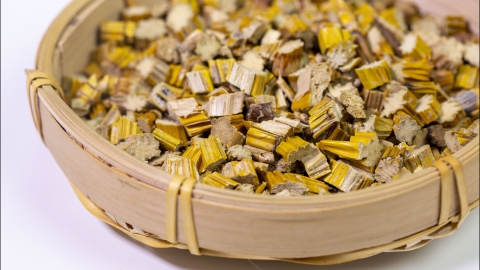
I. Functions
1. Strengthening the spleen and stomach: Dendrobium promotes gastric juice secretion and can improve symptoms such as indigestion and food accumulation caused by disharmony of the spleen and stomach. It can also be used to treat gastric diseases such as atrophic gastritis and duodenal ulcers, and has an inhibitory effect on Helicobacter pylori.
2. Nourishing Yin and promoting body fluids: Dendrobium can improve symptoms such as dry mouth and throat, excessive thirst, and constipation, helping to nourish Yin fluids. For diabetic patients, Dendrobium has a hypoglycemic effect, can increase insulin sensitivity, and lower blood glucose levels.
3. Soothing the liver and benefiting the gallbladder: Dendrobium can promote liver metabolism and aid in detoxification. It can also promote bile secretion and has an auxiliary therapeutic effect on diseases such as cholecystitis and hepatitis.
4. Nourishing the kidneys and Yin: Dendrobium can nourish kidney Yin and relieve symptoms such as soreness and weakness of the waist and knees, night sweats, and premature ejaculation caused by kidney Yin deficiency. It also helps improve dry eyes and blurred vision caused by kidney Yin deficiency.
5. Delaying aging: Dendrobium is rich in polysaccharides, flavonoids, phenolic compounds, amino acids, and other nutrients. These substances have moisturizing and antioxidant effects, helping to delay aging. They can also smooth the skin and improve skin condition.
II. Therapeutic Uses
1. Nourishing the stomach and promoting body fluids: Dendrobium has the effect of benefiting the stomach and promoting body fluids and can treat symptoms caused by fluid deficiency and Yin injury, such as nausea, vomiting, loss of appetite, irritability, thirst, and dry mouth and throat. It can also enhance gastric emptying and aid digestion, making it a commonly used medication for treating epigastric pain and upper abdominal distension.
2. Nourishing Yin and clearing heat: Dendrobium has a sweet and cold nature and enters the stomach and kidney meridians. It has the function of nourishing Yin and clearing heat, nourishing stomach Yin, promoting body fluids, and relieving thirst. It is effective for symptoms such as dry mouth and throat and irritability caused by heat-related illnesses and Yin deficiency with fire hyperactivity.
3. Tonifying the kidneys and enriching essence: Dendrobium can nourish kidney Yin and relieve symptoms such as soreness and weakness of the waist and knees, night sweats, premature ejaculation, and dry eyes caused by kidney Yin deficiency. It can also nourish Yin and body fluids, lubricate the joints, and help strengthen bones and muscles, improve joint mobility, and increase resistance to rheumatism.
4. Improving vision and protecting the eyes: Dendrobium has the effect of nourishing the liver and improving vision, relieving eye fatigue and dryness, and has some effect in preventing cataracts in the elderly and protecting children's vision. It is considered a good herb for eye health.
5. Lowering blood glucose: Dendrobium can lower blood glucose levels induced by streptozotocin, has a hypoglycemic effect on diabetic patients, enhances insulin activity, lowers blood glucose levels, and helps normalize blood glucose. This function makes Dendrobium one of the traditional Chinese medicines used as an adjunct in the treatment of diabetes.
III. Side Effects
1. Gastrointestinal discomfort: Dendrobium has a slightly cold nature, and excessive use may increase the burden on the gastrointestinal tract, causing symptoms such as bloating, abdominal pain, indigestion, and diarrhea. People with spleen and stomach deficiency cold are more likely to experience these adverse reactions after use.
2. Allergic reactions: Some individuals may be allergic to certain components in Dendrobium, such as itching, rash, fever, and other symptoms. Severe cases may experience life-threatening allergic reactions such as difficulty breathing and shock. Therefore, an allergy test should be performed before using Dendrobium, and contact with allergens should be avoided.
3. Drug interactions: Dendrobium contains multiple active ingredients that may interact with certain medications, affecting efficacy or causing adverse reactions. Therefore, when using Dendrobium, patients should inform their doctor about any other medications they are currently taking to avoid drug interactions.
4. Convulsions: Excessive doses of Dendrobium may cause neurological symptoms such as convulsions. This may be related to the stimulating effect of certain components in Dendrobium on the nervous system. Therefore, when using Dendrobium, the dosage should be strictly controlled to avoid overdose.
5. Liver damage: Excessive use of Dendrobium may increase the burden on the liver, causing liver damage. Patients may experience symptoms such as yellowing of the face, loss of appetite, and fatigue. Therefore, during the use of Dendrobium, regular liver function tests should be performed to ensure liver health.
Overdose may cause discomfort symptoms such as diarrhea and nausea. Special populations, including those with spleen and stomach deficiency cold, damp-cold constitution, pregnant women, lactating women, and children, should consult a doctor before taking Dendrobium.