How to treat red blood vessels (telangiectasia)
Nov 26, 2024
Source: Cainiu Health

Dr. Liu Wenmin
Introduction
In general, red blood vessels on the skin may be caused by factors such as weather changes, skin infections, ultraviolet radiation damage, rosacea, or autoimmune diseases. If you experience any discomfort symptoms, it is recommended to seek medical attention promptly. In daily life, it is important to take proper sun protection measures to promote skin health and recovery. When going outdoors, use physical sun protection methods such as wearing hats or using umbrellas.
Generally, red blood vessels (telangiectasia) may be caused by weather changes, skin infections, ultraviolet radiation damage, rosacea, or systemic lupus erythematosus (SLE). If any discomfort symptoms occur, timely medical consultation is recommended. Detailed analysis is as follows:
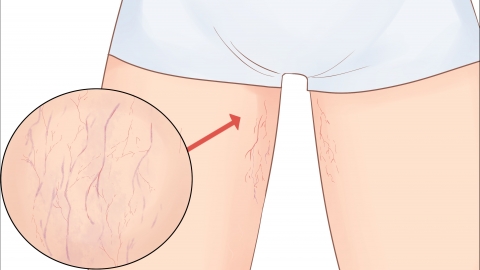
1. Weather Changes
Cold weather can cause blood vessels on the skin surface to constrict, and when the temperature suddenly rises, the blood vessels rapidly dilate to regulate body temperature, which may lead to thinning of the vessel walls and the formation of red blood vessels. This may be accompanied by symptoms such as skin warmth and increased sweating. Using a gentle moisturizer can help protect the skin and avoid prolonged exposure to extreme weather conditions.
2. Ultraviolet Radiation Damage
Ultraviolet radiation may damage collagen and elastic fibers in the skin, causing loss of elasticity and resistance, making blood vessels more fragile and prone to dilation, thus forming red blood vessels. This may be accompanied by symptoms such as dry skin and increased wrinkles. Regular application of sunscreen can help repair damaged skin and alleviate symptoms of red blood vessels.
3. Skin Infection
Bacterial, viral, or fungal infections may lead to skin inflammation, causing local vasodilation and the formation of red blood vessels. Infections may also damage the skin barrier, making blood vessels more fragile and prone to dilation. This may be accompanied by symptoms such as pain and itching. Treatment under a doctor's guidance with medications such as mupirocin ointment, ketoconazole cream, or acyclovir cream may be helpful.
4. Rosacea
Rosacea may be caused by genetic factors, skin microorganisms, or immune system issues. The inflammatory response may lead to persistent facial vasodilation, resulting in persistent red blood vessels. This may be accompanied by excessive facial oil secretion and rough skin texture. Under a doctor's guidance, treatment with medications such as doxycycline capsules, metronidazole gel, or adapalene gel may be considered.
5. Systemic Lupus Erythematosus (SLE)
SLE causes the immune system to attack its own tissues, including skin blood vessels, triggering inflammatory responses, leading to vasodilation and red blood vessels. This may be accompanied by systemic symptoms such as fatigue and joint pain. Under a doctor's guidance, treatment with medications such as prednisolone tablets, ibuprofen tablets, or tacrolimus capsules may be considered.
In daily life, it is important to take sun protection measures to promote skin health and recovery. When going outdoors, physical sun protection methods such as wearing a hat or using an umbrella can be used, or applying a gentle sunscreen. Additionally, maintaining sufficient sleep, eating a balanced diet rich in vitamin-containing foods such as fresh fruits and vegetables, avoiding excessive fatigue and mental stress, and maintaining a pleasant mood are all beneficial for skin health.