


What Are Antiallergic Drugs?

Allergy refers to a pathological immune response—characterized by tissue damage or functional disturbance—that occurs when an already-sensitized individual is re-exposed to the same antigen. Key features of allergic reactions include rapid onset, intense response, and relatively quick resolution. Typically, such reactions do not destroy tissue cells nor cause severe tissue damage. So, what exactly are antiallergic drugs? The following section addresses this question.

What Are Antiallergic Drugs?
Antiallergic drugs generally fall into several major categories. First are antihistamines—agents that antagonize the physiological effects of histamine. Examples include cetirizine, ebastine, and loratadine, primarily used to alleviate symptoms of urticaria (e.g., hives) and allergic rhinitis. Second are systemic glucocorticoids, which are often first-line agents in severe allergic reactions—including anaphylactic shock. Third are topical glucocorticoids, such as mometasone furoate and halometasone, which play a vital role in treating allergic dermatitis. When selecting antiallergic medications, patients should consult qualified healthcare professionals at accredited medical institutions for accurate diagnosis and appropriate treatment.
Knowledge Expansion: How to Manage Allergic Reactions
1. Desensitization Therapy
Since allergies result from exposure to specific allergens, identifying the causative allergen is essential to prevent recurrence. Patients are advised to undergo allergen testing at a hospital and consider desensitization (allergen immunotherapy), which addresses the root cause and helps prevent recurrent allergic episodes.
2. Cold Water Rinsing
For mild allergic symptoms such as erythema and pruritus, rinsing the affected area with cold water may help relieve itching. However, if symptoms are severe, direct exposure to cold water may be intolerable; in such cases, begin with lukewarm water (approximately 20–30°C), then gradually transition to cooler water to mitigate the allergic reaction.
3. Avoidance of Allergens
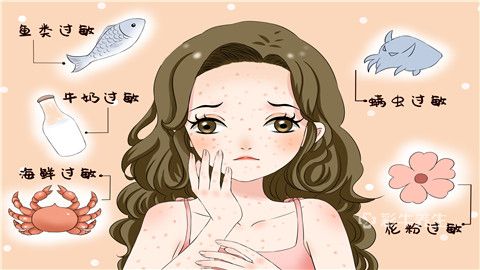
During an allergic episode, avoid contact with known allergens to prevent symptom exacerbation and discomfort. Common allergens include pollen, dust mites, foreign proteins, chemical substances, and ultraviolet radiation. Therefore, minimizing exposure to these triggers in daily life is crucial to reducing the risk of recurrent allergic reactions.
The above provides an overview of antiallergic drugs. We hope this information is helpful to you.


