


Post-Removal Care Instructions for Nasal Augmentation Silicone Implants

Rhinoplasty for nasal augmentation is a surgical procedure primarily aimed at enhancing or elevating the nasal profile—especially the nasal bridge or nasal tip—using various implant materials. Therefore, this procedure is indicated for individuals who present with a low or flat nasal bridge or a low or underprojected nasal tip. So, what precautions should be taken after silicone implant removal? Below, we provide answers to this question.
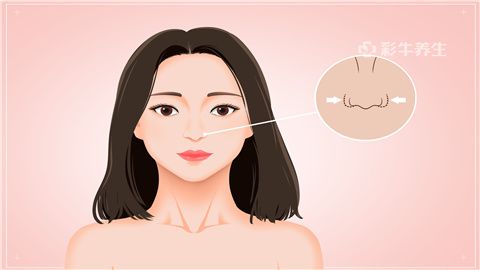
Post-Removal Precautions Following Silicone Nasal Implant Extraction
After silicone implant removal, intravenous antibiotic therapy is recommended for one day. Oral antibiotics—such as cephalosporins or amoxicillin—may then be prescribed for two to three days postoperatively. Sutures are typically removed between five and seven days after surgery. Additionally, the incision site should be gently cleansed daily using sterile saline solution or preservative-free artificial tears to promote wound healing and reduce discomfort during suture removal. After implant removal, it is essential to stabilize and protect the nose to prevent trauma or accidental impact, which could compromise surgical outcomes. Cold compresses should be applied to the surgical area for the first few days postoperatively; meanwhile, patients should maintain an upright head position (e.g., sleeping with extra pillows) to facilitate edema reduction. Avoid excessive physical or psychological stress, and maintain a positive, relaxed mindset—both of which support optimal recovery. Importantly, immediate re-implantation of a new silicone prosthesis is not advisable following removal, as the surgical site requires adequate time for tissue healing and remodeling. The optimal timing for silicone implant removal is at least three months after the initial augmentation surgery. If desired, a new implant may be placed simultaneously during the removal procedure; however, the revised surgical site will again require approximately three months for full recovery—this point warrants careful attention.
Knowledge Extension: Potential Side Effects of Silicone Rhinoplasty
1. Complications associated with silicone rhinoplasty primarily stem from improper implant placement depth. If positioned too superficially, the implant may become visibly apparent, cause palpable movement (“wobbling”), or exhibit light transmission (“translucency”).
2. Other possible complications include hematoma, seroma, and infection. Should hematoma or infection occur, prompt implant removal is generally required. Although rare, foreign-body rejection reactions may also develop. Overall, the incidence of serious complications with silicone rhinoplasty remains low in clinical practice, contributing to its widespread use.

The above outlines key postoperative considerations following silicone nasal implant removal. We hope this information proves helpful to you.


