


Frequent urination, urgency, incomplete voiding, and persistent urge to urinate—what should I do?
Nov 28, 2024
Source: Cainiu Health

Dr. Cao Zhiqiang
Introduction
Frequent urination, urgency, incomplete voiding, and persistent urge to urinate may be caused by excessive water intake, consumption of caffeine or alcohol, mental stress, urethritis, cystitis, and other conditions. These symptoms can be improved according to the specific situation. When excessive water is consumed, the kidneys accelerate urine production to maintain fluid balance in the body, causing the bladder to fill more frequently and resulting in sensations of frequent urination and urgency.
Frequency, urgency, incomplete urination, and persistent desire to urinate may be caused by excessive water intake, caffeine or alcohol consumption, mental stress, urethritis, cystitis, and other factors. These conditions can be improved according to individual situations. It is recommended to visit a hospital promptly and receive treatment under the guidance of a physician.
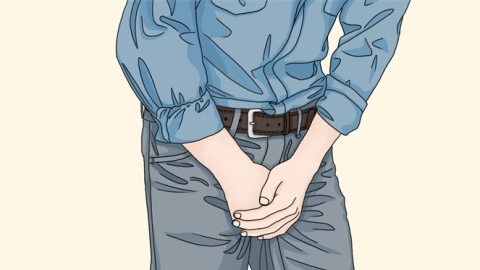
1. Excessive water intake: When excessive water is consumed, the kidneys accelerate urine production to maintain fluid balance in the body, causing the bladder to fill frequently and triggering the sensation of needing to urinate, leading to symptoms such as frequency and urgency. It is recommended to adjust drinking habits, avoid consuming large amounts of water in a short period, especially reducing water intake before bedtime.
2. Caffeine or alcohol consumption: Caffeine and alcohol have diuretic effects, promoting increased urine output by the kidneys, which may lead to frequent and urgent urination. It is recommended to limit intake of diuretic beverages such as coffee, tea, and alcohol, especially in the evening, to reduce episodes of urinary frequency and urgency.
3. Mental stress: Prolonged stress may stimulate the nervous system, affecting the contraction function of the bladder, resulting in frequent urination, possibly accompanied by anxiety, insomnia, and other symptoms. It is recommended to undergo psychological counseling and relaxation training to relieve tension and reduce urinary frequency. Additionally, maintaining a regular sleep schedule and ensuring sufficient sleep is important.
4. Urethritis: Poor personal hygiene or urethral injury can easily lead to urethritis. Inflammation excessively stimulates the urethra, causing symptoms such as frequent urination and urgency, which may be accompanied by discharge from the urethra and painful urination. It is recommended to follow medical advice and use medications such as Levofloxacin Hydrochloride Capsules, Amoxicillin Capsules, and Cefixime Capsules for treatment.
5. Cystitis: After pathogens invade the bladder, an inflammatory response occurs, affecting normal bladder function and causing symptoms such as frequent urination and urgency, accompanied by unpleasant-smelling urine and discomfort such as lower abdominal pain. It is recommended to take medications such as Levofloxacin Capsules, Cefuroxime Axetil Tablets, and Azithromycin Capsules under medical guidance to alleviate symptoms.
In daily life, it is recommended to maintain healthy lifestyle habits, follow a light diet, and ensure proper hygiene of the urethra to promote overall health.






