What should I do about knee pain in both legs?
Nov 28, 2024
Source: Cainiu Health

Dr. Chen Jian
Introduction
Prolonged standing, walking, or other activities involving the knee joints may lead to muscle fatigue in the legs. When muscles remain in a tense state for extended periods, lactic acid can accumulate, resulting in knee joint pain accompanied by muscle stiffness. It is advisable to rest the legs appropriately and avoid overusing the knee joints. Massaging can be an effective method to promote blood circulation, thereby alleviating muscle fatigue and pain.
The knee refers to the knee joint. Generally, pain in the knee joints of both legs may be caused by muscle fatigue, cold exposure, meniscus injury, synovitis, osteoarthritis, and other factors. The solution depends on identifying the specific cause to achieve effective treatment. It is advisable to seek medical attention promptly and follow medical advice for treatment. Detailed information is as follows:
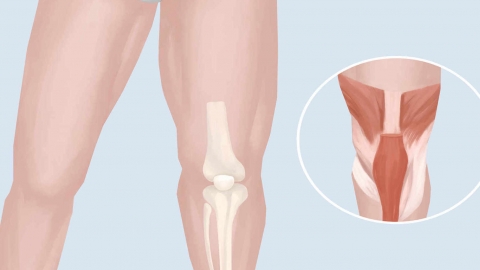
1. Muscle fatigue: Activities involving prolonged standing or walking that stress the knee joints may lead to muscle fatigue in both legs. When muscles remain tense for extended periods, lactic acid can accumulate, causing knee joint pain and muscle stiffness. Adequate rest for the legs and avoiding excessive knee use are recommended. Massage can help improve blood circulation and relieve muscle fatigue and pain.
2. Cold exposure: Exposure of the knee joint to cold temperatures may cause local vasoconstriction and impaired blood circulation, leading to knee joint pain. This is particularly common during weather changes or significant temperature fluctuations, and may be accompanied by a feeling of coldness in the knees. Keeping the knees warm and using heat therapy (e.g., heat lamp treatment) can help improve circulation and alleviate pain.
3. Meniscus injury: The meniscus is a cartilage pad connecting the femur and tibia, acting as a shock absorber and stabilizing the joint. Injury to the meniscus can cause knee pain, swelling, and a sense of instability, often presenting as localized sharp pain. Medications such as Compound Salvia Miltiorrhiza Tablets, Sanye Injury Medicine Tablets, and Oryzanol Tablets may be taken as directed by a physician to promote blood circulation, remove blood stasis, and nourish cartilage.
4. Synovitis: This condition involves inflammation of the joint lining, typically caused by trauma, infection, or other diseases. When the synovial membrane around the knee joint becomes inflamed, it can cause knee pain, swelling, stiffness, and redness. Anti-inflammatory and pain-relief medications such as Methylprednisolone Tablets, Ibuprofen Capsules, and Celecoxib Capsules may be used under medical guidance.
5. Osteoarthritis: This joint disease is often caused by age, obesity, genetic factors, and others. When the knee cartilage wears down and the joint space narrows, it can lead to knee pain, stiffness, and swelling. As directed by a physician, medications such as Nimesulide Capsules, Indomethacin Enteric-coated Tablets, and Gukang Capsules may be used to relieve pain and treat rheumatic symptoms.
In daily life, it is important to rest adequately, stay warm, and avoid overusing the knee joints.