How to address a high nasal bridge but a flat nose?
Nov 28, 2024
Source: Cainiu Health

Dr. Lu Cheng
Introduction
A high nasal bridge with a flat nose may be caused by genetic factors, developmental abnormalities, malnutrition, rhinitis, or nasal cartilage damage, and can be improved according to the specific situation. A high nasal bridge with a flat nose can be influenced by heredity. If there are family members with a similar nasal shape, the likelihood of an individual exhibiting this trait is relatively higher. This is generally considered a normal phenomenon and usually does not require special treatment.
A high nasal bridge but flat nose may be caused by genetic factors, developmental abnormalities, malnutrition, rhinitis, or nasal cartilage damage. Improvements can be made according to the specific situation. It is recommended to visit a hospital promptly and receive treatment under a doctor's guidance.
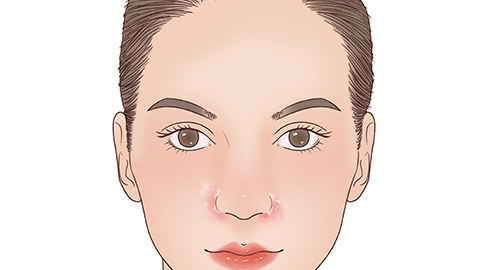
1. Genetic factors: A high nasal bridge but flat nose may be influenced by heredity. If there are family members with similar nasal features, the likelihood of an individual exhibiting this trait may be relatively higher. This is generally considered normal and does not require special treatment. One may try using nasal clips or other auxiliary tools for long-term nasal shaping, although results may vary among individuals.
2. Developmental abnormalities: During growth and development, abnormalities in the development of nasal bones and cartilage may occur, resulting in a high nasal bridge but an overall flat nasal appearance. Mild developmental abnormalities can be corrected with aesthetic medical procedures, such as nasal tip整形 surgery.
3. Malnutrition: Long-term malnutrition may affect the growth and development of nasal cartilage and soft tissues, leading to a high nasal bridge but flat nose. Dietary habits should be improved, and nutritional intake should be increased. Consume more foods rich in protein, vitamins, minerals, and other nutrients, such as lean meat, fish, eggs, fresh vegetables, and fruits.
4. Rhinitis: Rhinitis is usually caused by infections, environmental factors, and other conditions. Severe nasal infections or inflammation may damage nasal cartilage, leading to nasal collapse. It is recommended to follow medical advice and use medications such as amoxicillin capsules, prednisolone tablets, and ibuprofen sustained-release capsules for improvement.
5. Nasal cartilage injury: Nasal cartilage is one of the key tissues supporting nasal shape. When nasal cartilage is damaged, it may lose its original elasticity and strength, causing nasal tip drooping or collapse, which affects the overall appearance of the nose. Patients may follow medical advice and undergo rhinoplasty for repair. The surgery may involve reconstruction or transplantation of nasal cartilage to restore nasal support structure and appearance.
It is recommended to maintain good living and dietary habits, eat light meals, protect the nose properly, and maintain cleanliness and hygiene to promote overall health.