


What should I do if my child has a high fever of 39°C or above that won't go down?

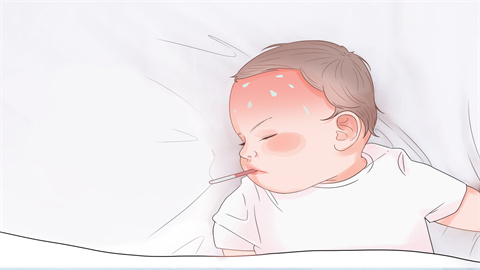
High fever refers to a high body temperature. Generally, if a child maintains a fever of around 39°C without improvement, it may be caused by common cold, urinary tract infection, bronchitis, rheumatic fever, meningitis, or other conditions. It is recommended to seek timely medical consultation to identify the underlying cause and proceed with general treatment and medication under the guidance of a qualified physician. Detailed explanations are as follows:
1. Common Cold
A viral infection occurs when viruses invade the body, triggering an immune response that causes a persistent high fever of around 39°C in children. Symptoms may include nasal congestion, runny nose, cough, and fatigue. Physical cooling methods such as cold compresses or warm water sponge baths are recommended. Additionally, drinking adequate warm water can help promote sweating and urination. If symptoms become severe, prompt medical attention is advised.
2. Urinary Tract Infection
Bacterial invasion and proliferation within the urinary tract can cause localized inflammation and activate an immune response, leading to a sustained high fever of around 39°C in children. Symptoms may include frequent urination, urgency, painful urination, and lower abdominal pain. Treatment may involve medications such as ciprofloxacin lactate, sodium bicarbonate tablets, and compound glycyrrhizin tablets to address the infection.
3. Bronchitis
Bronchitis is a common respiratory disease caused by bacterial or viral infections. If a child has a pre-existing condition of acute bronchitis, they may experience a persistent high fever of around 39°C. Additional symptoms may include general weakness. It is recommended to take medications such as paracetamol tablets, citrate pentoxyverine tablets, and tinidazole capsules under the guidance of a doctor.
4. Rheumatic Fever
Following a streptococcal infection, immune complexes may deposit in areas such as the joints and heart, triggering an inflammatory response that causes a persistent high fever of around 39°C in children. Symptoms may include joint pain, heart murmurs, and skin rashes. Recommended medications may include potassium penicillin, ibuprofen, and prednisolone.
5. Meningitis
Pathogens invading the meninges or brain tissue can cause infection of the meninges or brain parenchyma, leading to meningitis. The inflammatory response releases inflammatory mediators, resulting in a persistent high fever of around 39°C in children. Symptoms may include headache, neck stiffness, light sensitivity, and altered consciousness. Immediate medical attention is advised, and treatment should follow medical guidance for administration of medications such as vancomycin hydrochloride, acyclovir, and diazepam.
In daily life, parents should closely monitor their child's condition and promptly implement physical cooling measures. Additionally, maintaining a balanced diet and enhancing the child's immunity are recommended.


