


What kind of tea is suitable to drink in autumn and winter?

Under normal circumstances, people can moderately consume black tea, white tea, honeysuckle tea, oolong tea, ginger tea, and other teas during the autumn and winter seasons. The detailed explanation is as follows:
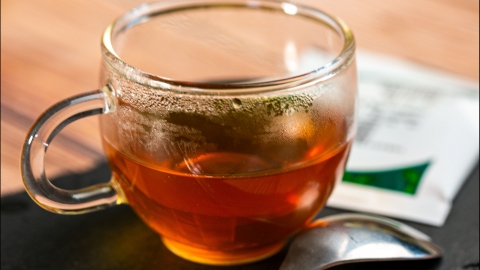
1. Black Tea
Black tea is mild in nature and contains abundant theaflavins, amino acids, carotenoids, and other nutritional elements. Drinking black tea in moderation during autumn and winter can promote blood circulation, increase body temperature, and make people feel comfortable and warm.
2. White Tea
White tea contains rich amino acids, tea polyphenols, minerals, vitamins, and other nutrients. Drinking white tea moderately during autumn and winter can refresh the mind, relieve fatigue, and improve alertness.
3. Honeysuckle Tea
Honeysuckle tea has a fresh flavor and possesses the effects of clearing heat and detoxifying, cooling the blood, and reducing swelling. Drinking honeysuckle tea moderately during autumn and winter not only helps to replenish hydration and relieve dryness but also refreshes the mind, improves mood, and enhances alertness.
4. Oolong Tea
Oolong tea is balanced in nature and contains abundant tea polyphenols, minerals, and other nutrients. It has the effects of stimulating saliva production to relieve thirst and moistening the throat to alleviate dryness, making it suitable for the dry environment typical of autumn and winter seasons.
5. Ginger Tea
Ginger tea has the effects of dispelling cold to keep warm, warming the middle jiao to stop vomiting, and stimulating the appetite. During the colder autumn and winter seasons, moderate consumption of ginger tea can promote blood circulation and alleviate symptoms such as cold hands and feet.
It is recommended that during the autumn and winter seasons, when selecting tea beverages, one should follow the principle of moderation and choose appropriate types of tea based on individual constitution and needs. Additionally, engaging in moderate aerobic exercise and maintaining a calm emotional state are beneficial to overall health.


