


Who should not drink water infused with Sanghuang (Inonotus sanghuang)?

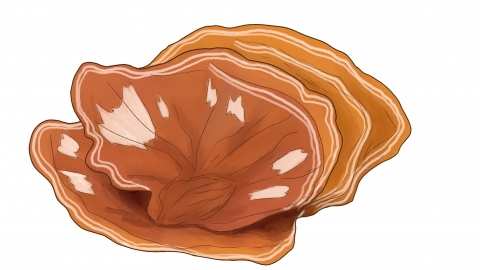
Generally speaking, Sanghuang, also known as桑寄生 (Sang Jisheng) or桑菇 (Sang Gu), is a medicinal fungus traditionally used to enhance immunity, relieve fatigue, and provide antioxidant effects. It is not recommended for consumption by certain groups including pregnant women, individuals with allergic constitutions, those suffering from constipation, people with spleen-stomach deficiency cold, and individuals with impaired liver or kidney function. Detailed explanations are as follows:
1. Pregnant Women
Sanghuang has blood-activating properties, and consumption by pregnant women may lead to bleeding, which is detrimental to both maternal and fetal health. Therefore, pregnant women should avoid consuming Sanghuang to ensure the safety of themselves and their babies.
2. Individuals with Allergic Constitutions
Certain individuals may be allergic to flavonoid compounds in Sanghuang, and symptoms such as skin itching, swelling, and rashes may occur after consumption. Therefore, individuals with allergic constitutions should cautiously try Sanghuang tea and monitor their physical reactions. If allergic symptoms occur, consumption should be stopped immediately and medical attention sought.
3. Individuals with Constipation
Sanghuang has strong astringent and antidiarrheal effects, which may slow intestinal motility. Blind consumption by individuals suffering from constipation may worsen symptoms, so it is not recommended for such individuals to drink Sanghuang tea.
4. Individuals with Spleen-Stomach Deficiency Cold
Sanghuang is a traditional Chinese herb classified as cold in nature. Consumption by individuals with spleen-stomach deficiency cold may exacerbate their condition, causing symptoms such as abdominal pain and diarrhea. Therefore, individuals with this condition should avoid consuming Sanghuang tea.
5. Individuals with Impaired Liver or Kidney Function
As drugs are metabolized and excreted through the liver and kidneys, individuals with impaired liver or kidney function should avoid consuming Sanghuang tea to prevent additional strain on these organs, which could worsen their condition.
Before consuming similar products, it is necessary to consult professional traditional Chinese medicine practitioners or pharmacists to determine whether one's physical condition is suitable for consumption. Additionally, attention should be paid to physical reactions, and consumption should be stopped immediately if discomfort occurs, followed by seeking medical advice.


