


Why does coughing produce phlegm?
Nov 28, 2024
Source: Cainiu Health

Dr. Yang Ziqi
Introduction
Acute bronchitis is a respiratory tract inflammation caused by bacterial or viral infection. The inflammation may lead to congestion, edema of the respiratory mucosa, and increased secretions. It is usually accompanied by symptoms such as cough, fever, and chest pain. Medications such as Amoxicillin Capsules, Cefradine Capsules, and Dextromethorphan Oral Solution may be used for treatment as directed by a physician.
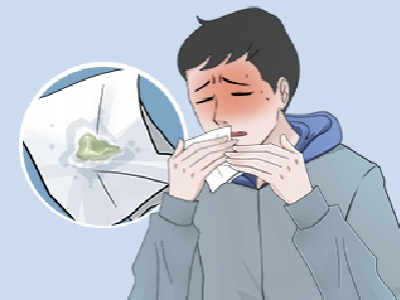
Generally, coughing with phlegm may be related to environmental irritants, improper diet, acute bronchitis, pneumonia, chronic obstructive pulmonary disease (COPD), etc. If discomfort symptoms occur, it is recommended to seek timely medical consultation and follow standardized treatment under a doctor's guidance. Detailed analysis is as follows:
1. Environmental Irritation
Prolonged inhalation of air pollutants, smoke, dust, and other irritants can stimulate the respiratory tract, causing increased secretion from the respiratory mucosa, thereby resulting in coughing accompanied by phlegm. It is recommended to improve the living environment and reduce inhalation of irritants, such as wearing masks and using air purifiers.
2. Improper Diet
Consuming excessive greasy, spicy, or irritating foods, or having irregular eating habits, may also stimulate the respiratory mucosa, causing it to produce excessive secretions, leading to coughing with phlegm. It is recommended to adjust the diet, consume more light and easily digestible foods such as vegetables and fruits, and maintain healthy eating habits.
3. Acute Bronchitis
Acute bronchitis is a respiratory inflammation caused by bacterial or viral infections. The inflammation may cause congestion and edema of the respiratory mucosa and increased secretions. It is usually accompanied by symptoms such as cough, fever, and chest pain. Treatment may include medications such as Amoxicillin Capsules, Cefradine Capsules, and Dextromethorphan Oral Solution, as directed by a physician.
4. Pneumonia
Pneumonia is a lung infection caused by pathogens such as bacteria, viruses, or mycoplasma. Pathogen infection leads to lung inflammation, causing excessive secretions in the lungs and resulting in symptoms such as coughing and expectoration. Patients may also experience high fever, chills, and difficulty breathing. Treatment may involve medications such as Penicillin Sodium for Injection, Ceftriaxone Sodium for Injection, and Carbocisteine Oral Solution, under a doctor's supervision.
5. Chronic Obstructive Pulmonary Disease
Chronic obstructive pulmonary disease (COPD) is a chronic respiratory condition that may result from long-term smoking or inhalation of harmful gases, leading to damage of the respiratory mucosa, weakened ciliary movement, and accumulation of secretions in the respiratory tract that cannot be expelled timely. It manifests as persistent airflow limitation and respiratory symptoms, including coughing and expectoration. Symptoms can be relieved with medications such as Salbutamol Sulfate Inhalation Aerosol, Terbutaline Sulfate Inhalation Powder, and Budesonide Inhalation Aerosol, as directed by a physician.
It is recommended to develop healthy lifestyle habits, maintain a proper balance between work and rest, and avoid excessive fatigue to benefit overall health.



