Side effects and complications of thread lift for the face
Nov 29, 2024
Source: Cainiu Health

Dr. Han Xuefeng
Introduction
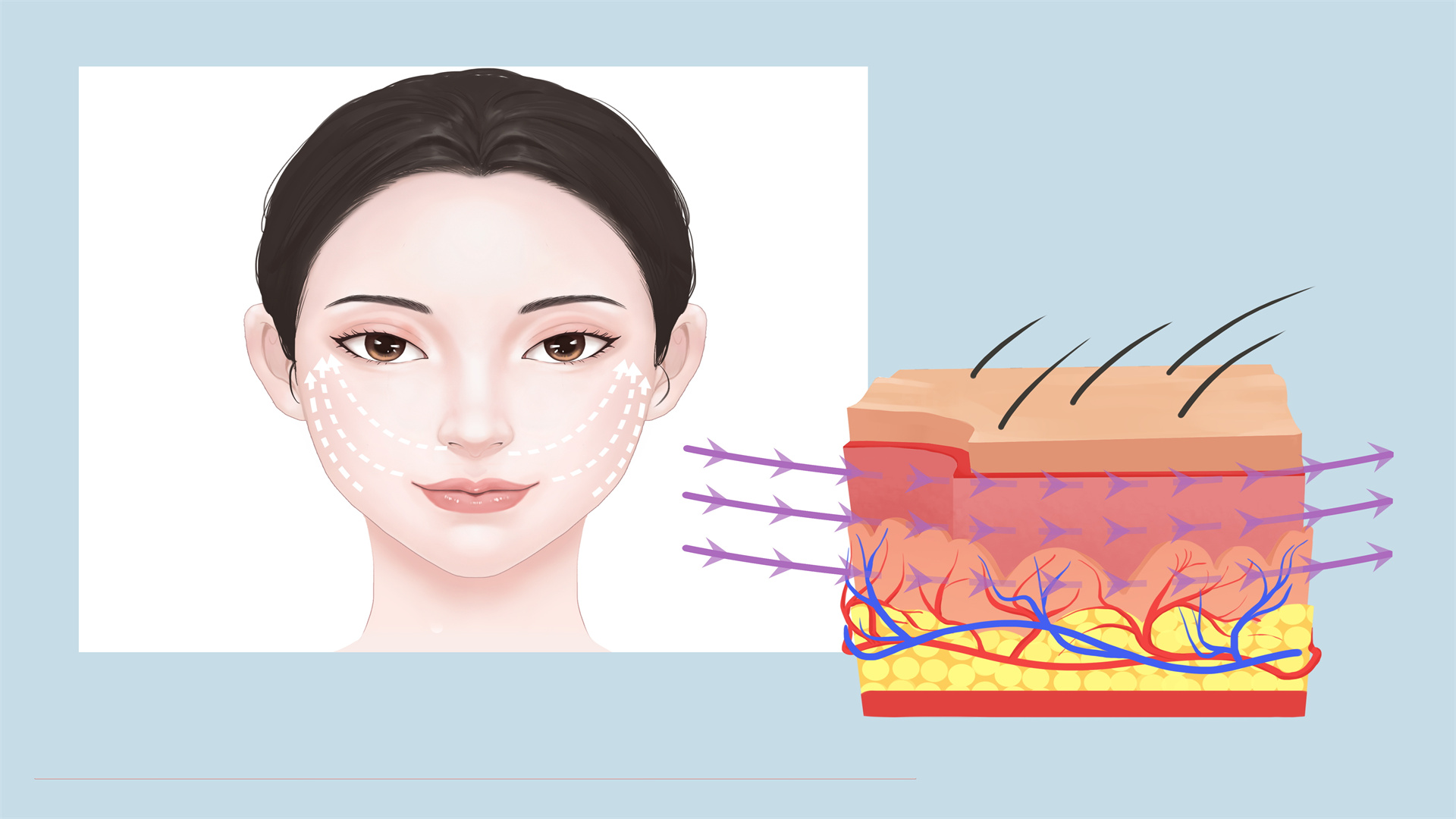
In general, thread lifting is a non-surgical facial rejuvenation procedure that involves inserting special threads beneath the skin to lift sagging facial tissues, thereby improving facial skin laxity and wrinkles. The reference price ranges from 3000 to 5000 yuan per session, and results are typically visible within 1 to 3 months. Side effects of thread lifting may include track marks from the threads.
Generally, thread lifting is a non-surgical facial cosmetic procedure that involves implanting special threads beneath the skin to lift sagging facial tissues, improving facial skin laxity and wrinkles. The approximate cost ranges from 3,000 to 5,000 yuan per session, and visible improvements are usually observed within one to three months. Side effects of thread lifting may include track marks from the threads, pain and swelling, redness and bruising, bleeding and hematoma, and infection. Potential complications after thread lifting include thread extrusion, loss of effect, thread rejection reactions, facial asymmetry, and facial nerve paralysis. If discomfort occurs, prompt medical attention is recommended. Detailed explanations are as follows:
I. Side Effects of Thread Lifting
1. Thread Track Marks
In some cases, the implanted threads may leave small marks or scars on the skin surface, but these usually fade gradually over time.
2. Pain and Swelling
After undergoing thread lifting, patients may experience mild pain and swelling, which typically subsides naturally within a few days to two weeks.
3. Redness and Bruising
During the thread lifting procedure, skin irritation may occur, leading to localized redness and bruising. With proper care, these symptoms usually resolve quickly.
4. Bleeding and Hematoma
Durring the thread implantation, blood vessels may be damaged, resulting in bleeding and hematoma formation. These symptoms typically subside gradually within a few days.
5. Infection
If the procedure is improperly performed or post-operative care is inadequate, infection may occur. Symptoms of infection include swelling, fever, and pain. In severe cases, anti-infective medications such as amoxicillin capsules, cefixime granules, or moxifloxacin hydrochloride tablets may be required under a physician's guidance.
II. Complications of Thread Lifting
1. Thread Extrusion
If the threads are placed too superficially, they may cause visible linear changes on the skin or even protrude from the skin surface. This not only affects aesthetics but may also increase the risk of infection. If minimal extrusion occurs, the protruding thread ends can be disinfected locally and trimmed. If significant extrusion occurs, thread removal may be necessary.
2. Loss of Effect (Rebound Effect)
The results of thread lifting are temporary, typically lasting about one to one and a half years. As time passes, the threads are gradually absorbed by the body, and the lifting effect gradually diminishes or disappears completely. To maintain the desired facial lifting effect, repeat procedures may be necessary.
3. Thread Rejection Reaction
Some individuals may experience a rejection reaction to the implanted threads, causing symptoms such as redness, swelling, and pain in the skin. Prompt medical attention is recommended, where the wound should be thoroughly cleaned by a physician, disinfected with iodophor, and covered with sterile gauze. Anti-inflammatory medications such as aspirin enteric-coated tablets, ibuprofen sustained-release capsules, or acetaminophen tablets may be taken orally as directed by a physician.
4. Facial Asymmetry
If the procedure is improperly performed or inappropriate threads are selected, facial asymmetry may occur. Applying warm compresses and massage may help promote thread absorption and restore facial symmetry.
5. Facial Nerve Paralysis
If the threads are implanted too deeply or the procedure is improperly performed, branches of the facial nerve may be damaged, leading to facial nerve paralysis or facial palsy. Symptoms may include only one side of the face moving when smiling, while the other side remains immobile, significantly affecting overall facial mobility. Treatment may involve medications such as mecobalamin tablets, vitamin B1 tablets, and vitamin B12 injections, as directed by a physician.
It is recommended to develop good hygiene habits, maintain a balance between work and rest, and avoid excessive fatigue to promote overall health.