


What does it feel like to have a thyroid disease?
Nov 29, 2024
Source: Cainiu Health

Dr. Yang Ziqi
Introduction
If you develop a thyroid disease, you may experience symptoms such as neck discomfort, metabolic changes, mood swings, joint pain, and menstrual irregularities. If you experience any discomfort, it is recommended to seek medical attention promptly and follow standardized treatment under a doctor's guidance. Maintaining healthy lifestyle and dietary habits, avoiding excessive fatigue and mental stress, can also help prevent the occurrence of thyroid diseases.
Under normal circumstances, individuals with thyroid diseases may experience symptoms such as neck discomfort, metabolic changes, mood swings, joint pain, and menstrual irregularities. If discomfort occurs, it is recommended to seek medical attention promptly and undergo standardized treatment under a doctor's guidance. Detailed explanations are as follows:
1. Neck Discomfort
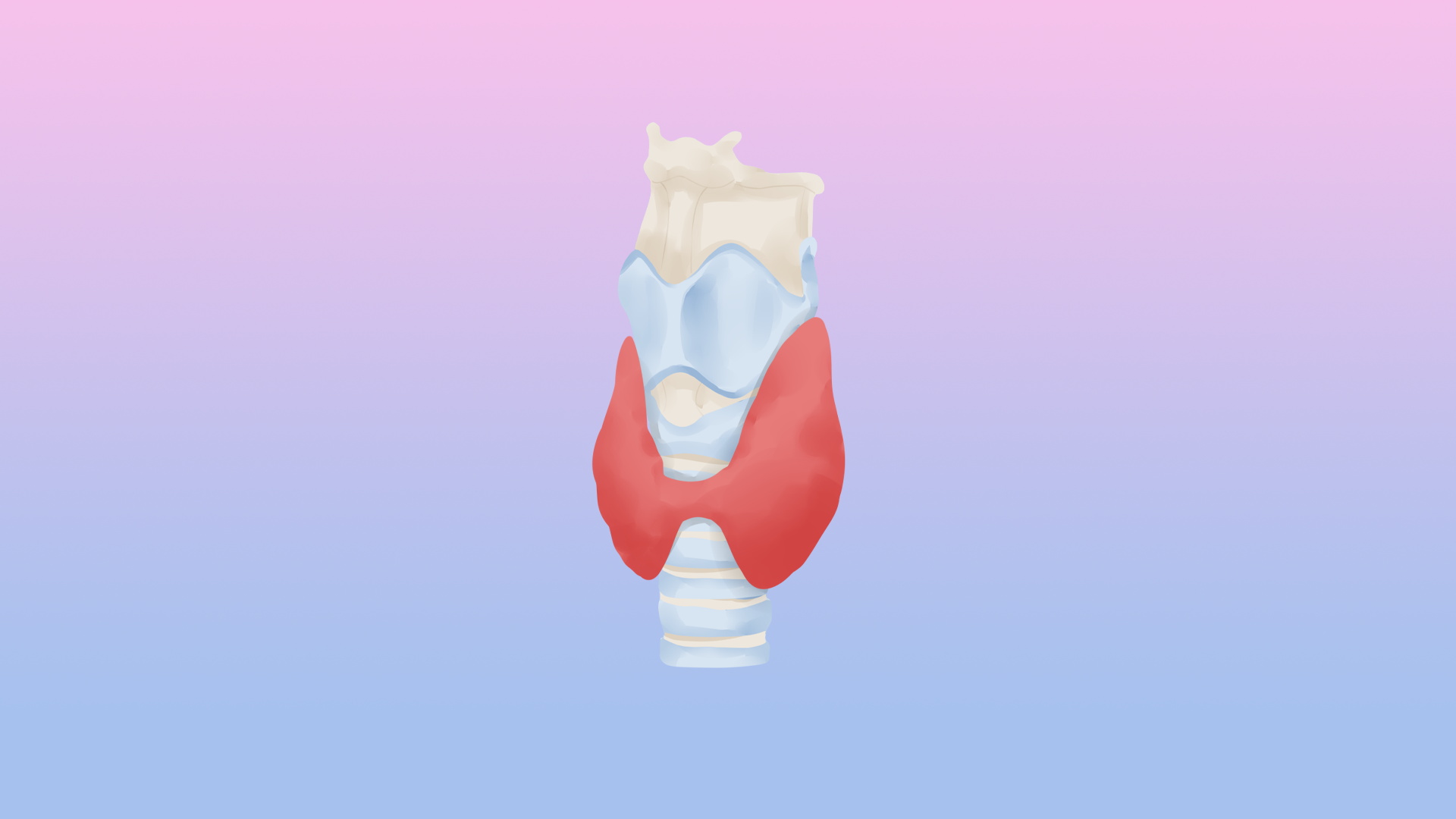
The thyroid gland is located in the front of the neck. Therefore, when problems arise with the thyroid, individuals may feel a lump, swelling, or pain in the neck. These symptoms may be accompanied by difficulty swallowing or breathing.
2. Metabolic Changes
Thyroid hormones play an important role in regulating the body's metabolism. When the thyroid produces excessive hormones, symptoms such as heat intolerance, excessive sweating, increased appetite, and weight loss may occur. Conversely, when thyroid hormone production is insufficient, symptoms such as cold intolerance, weight gain, fatigue, and excessive sleepiness may appear.
3. Mood Swings
Thyroid disease can also affect emotional well-being. Patients with hyperthyroidism may exhibit symptoms such as irritability, anger, and anxiety, while those with hypothyroidism may experience low mood or depression.
4. Muscle and Joint Problems
Thyroid disease may also lead to discomfort in muscles and joints. For example, patients with hyperthyroidism may experience muscle weakness and tremors, while patients with hypothyroidism may feel joint pain, stiffness, or swelling.
5. Menstrual Irregularities
For women, thyroid disease may also affect the menstrual cycle. Excessive thyroid hormone secretion can lead to shorter menstrual cycles and reduced menstrual flow, while insufficient hormone production may result in prolonged menstrual cycles, heavier bleeding, or irregular bleeding.
It is recommended to maintain healthy lifestyle and dietary habits, avoid excessive fatigue and mental stress, which can also help prevent the occurrence of thyroid disease.






