What are the causes of dark spots on the face?
Nov 29, 2024
Source: Cainiu Health

Dr. Liu Wenmin
Introduction
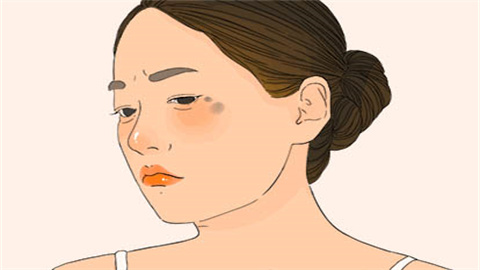
Under normal circumstances, dark spots on the face may be caused by factors such as ultraviolet radiation, improper use of skincare products, melasma, freckles, or cirrhosis. It is recommended to seek medical attention promptly, identify the underlying cause, and undergo symptomatic treatment under the guidance of a qualified physician. In daily life, it is advisable to pay attention to sun protection and consume adequate amounts of foods rich in vitamins.
Generally, dark spots on the face may be caused by ultraviolet radiation, improper use of skincare products, melasma, freckles, cirrhosis, and other factors. It is recommended to seek timely medical attention, identify the underlying cause, and undergo symptomatic treatment under the guidance of a qualified physician. Detailed explanations are as follows:
1. Ultraviolet Radiation
Ultraviolet rays can penetrate the skin's surface, stimulating melanocytes to produce more melanin. Excess melanin may accumulate in localized areas, forming dark spots. It is recommended to practice sun protection measures such as wearing hats and sunglasses, and avoiding outdoor activities during peak sunlight hours.
2. Improper Use of Skincare Products
Prolonged misuse of skincare products may damage the skin barrier, leading to post-inflammatory hyperpigmentation and the appearance of dark spots on the face. It is recommended to choose skincare products suitable for one's skin type and avoid using products with strong irritants. For existing dark spots, laser therapy or medication may be considered.
3. Melasma
Melasma may develop due to genetic factors, endocrine disorders, ultraviolet exposure, and other factors. Pigment deposition can lead to the appearance of dark spots. It is recommended to use skin-lightening agents such as hydroquinone cream, kojic acid, and tranexamic acid, which can effectively reduce the color intensity and size of melasma patches.
4. Freckles
Freckles are a hereditary pigmentation disorder, and ultraviolet radiation can darken and increase the number of freckles, causing dark spots on the face. It is recommended to use skincare products containing antioxidants to help reduce melanin production. Regular chemical peels or laser treatments can effectively reduce the appearance of freckles.
5. Cirrhosis
Cirrhosis may impair liver function, thereby affecting pigment metabolism and excretion, leading to melanin deposition in the skin and the appearance of dark spots, accompanied by symptoms such as fatigue and reduced appetite. It is recommended to adjust the diet, avoid consuming spicy and greasy foods, and reduce the burden on the liver.
In daily life, it is recommended to focus on sun protection and consume foods rich in vitamins.