


How to treat sagging under-eye bags

Under normal circumstances, the formation of under-eye bags may be related to genetic factors, unhealthy lifestyle habits, aging, eye trauma, chronic sinusitis, and other factors. Patients can eliminate under-eye bags through lifestyle adjustments, aesthetic medical treatments, or medication. It is recommended to visit a hospital to identify the specific cause and follow medical advice for treatment. Detailed analysis is as follows:
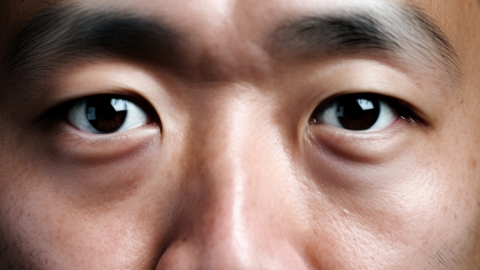
1. Genetic factors: The formation of under-eye bags may also be related to heredity. Some people are born with more fat accumulation around the eyes, making them prone to under-eye bags, which may eventually lead to sagging. Medical aesthetic methods such as laser blepharoplasty, ultrasound blepharoplasty, or surgical blepharoplasty can be used for improvement.
2. Unhealthy lifestyle habits: Poor lifestyle habits can lead to poor blood circulation around the eyes, causing congestion of blood vessels and fluid retention under the eye skin, as well as loosening of the eye muscles and skin, resulting in under-eye bags. It is recommended to improve lifestyle habits, ensure sufficient sleep, avoid staying up late, avoid overuse of the eyes, and maintain good eye hygiene.
3. Aging: With increasing age, collagen and elastic fibers in the skin gradually diminish, leading to skin laxity and under-eye bags. Non-surgical methods such as radiofrequency skin tightening, laser treatment, or ultrasound lifting can be used to tighten the skin around the eyes and reduce the appearance of under-eye bags.
4. Eye trauma: Injury to the eye muscles, tissues, or skin caused by trauma can result in weakened and loose eye muscles and skin, leading to under-eye bags. The trauma should be treated with measures such as wound suturing, hemostasis, and anti-infection therapy. After the wound heals, consideration may be given to aesthetic surgical procedures for repair based on the specific condition.
5. Chronic sinusitis: Chronic sinusitis can cause inflammatory reactions in the eye area, worsening under-eye bags, often accompanied by symptoms such as nasal congestion, headache, and facial tenderness. Patients should promptly follow medical instructions to take medications such as cefixime dispersible tablets, amoxicillin capsules, and BiYuan TongQiao granules for treatment.
In daily life, local massage, warm compresses, or steam eye masks can be used as adjunctive therapies to promote blood circulation and metabolism around the eyes.


