


Why should overnight water not be consumed?

The claim that "overnight water cannot be consumed" is too absolute. Healthy individuals may not experience significant harm from drinking small amounts of overnight water, but certain populations may develop bacterial infections, reduced mineral content, gastrointestinal discomfort, indigestion, or impaired blood oxygen transport after consumption. If any abnormalities occur, prompt medical attention is recommended. A detailed explanation is as follows:
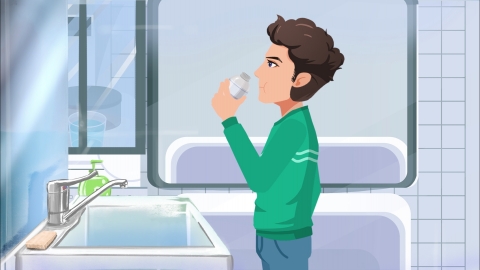
1. Bacterial infection: Overnight water may have allowed significant bacterial growth, which can lead to bacterial infection after consumption, causing symptoms such as abdominal pain and diarrhea.
2. Reduced mineral content: Minerals in overnight water may gradually precipitate in the form of scale, decreasing mineral content. Long-term consumption may affect overall health.
3. Gastrointestinal discomfort: Bacteria in overnight water may irritate the gastrointestinal tract, leading to conditions such as gastritis or acute gastroenteritis, with symptoms including nausea, vomiting, and acid reflux.
4. Indigestion: If boiled water has been left standing for over 48 hours, it may allow extensive bacterial growth. Consumption may introduce bacteria into the gastrointestinal tract, damaging mucosal linings and causing indigestion.
5. Impaired blood oxygen transport: If boiled water has been left standing for over 48 hours, organic nitrogen compounds in the water may continuously decompose into nitrites. Consumption may lead to the binding of nitrites with hemoglobin in the human body, thus impairing oxygen transport in the bloodstream.
To ensure the safety and health of drinking water, it is advisable to consume freshly boiled water and pay attention to storage conditions and duration.


